How to Transplant Green santolina?
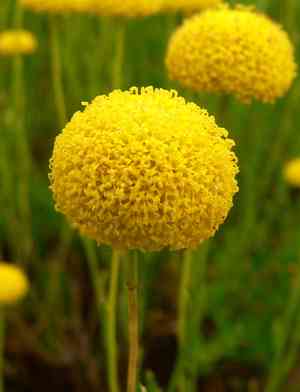
For best results, transplanting green santolina should occur in the mild temperatures of late spring, allowing roots to settle before the summer's intensity. Choose a bright location with soil that drains effectively, and when relocating established plants, retain a generous root mass to reduce shock.
Essential Preparations Before Relocating Green Santolina?
Optimal Period for Green Santolina Relocation?
Choose the revitalizing period of early to mid-spring for green santolina transplantation. This leverages mild weather, fostering strong root development before summer. This timing aligns with green santolina's growth cycle, ensuring a smooth transition to new surroundings, boosting plant vitality, and guaranteeing a lush, vibrant display. Seizing this opportunity ensures green santolina thrives from the start.
Recommended Spacing Between Green Santolina Plants?
For green santolina, provide ample room between each specimen. An ideal spacing measurement should be approximately 1-2 feet (30-60 cm). This allows sufficient space for growth and flourishing without mutual interference.
Ideal Soil Blend for Green Santolina Transplanting?
Prepare a soil mixture that drains effectively for green santolina. A sandy, loamy blend is most suitable. Prior to planting, enrich the soil with a balanced base fertilizer – a general-purpose type, with equal proportions of Nitrogen, Phosphorus, and Potassium, will suffice!
Optimal Location for Your Green Santolina?
For a thriving green santolina, select a site that receives ample sunlight. Full sun exposure is perfect. This makes south or west-facing areas with 6-8 hours of daily sunlight an excellent choice!
Equipment Needed Before Transplanting Green Santolina?
Gardening Gloves
To safeguard your hands from potential cuts or abrasions while handling the plant and soil.
Shovel or Garden Trowel
To excavate the plant from its original spot without harming its root system.
A Watering Can
To moisten the soil both before and after the transplanting process.
Garden Pruners
To trim any dead or damaged sections of the plant, enhancing the likelihood of a successful transplant.
Planting Container or Square of Burlap (for larger plants)
To safely transport the plant to its new location.
Compost
To enrich the soil in the new site and promote the plant's growth.
How to Extract Green Santolina from the Soil?
How to Extract Green Santolina from the Soil?
From Ground: Hydrate the green santolina plant sufficiently to moisten the soil. Using a shovel or trowel, dig a wide circle around the plant, ensuring most of the roots remain intact. Work the shovel beneath the root ball and gently lift the plant from the ground. If the plant is large, wrap it in a square of burlap for safer transport.From Pot: Water the green santolina plant, then carefully tip the pot sideways. Tap the pot's rim on a firm surface to loosen the soil and facilitate plant removal. If unsuccessful, breaking the pot may be a last resort.From Seedling Tray: Lightly water the green santolina seedlings and lift them out using a dibber or similar tool, taking particular care not to damage their delicate roots.
Step-by-Step Guide for Relocating Green Santolina
Preparation
Once the new location is chosen, dig a hole deep and wide enough to accommodate the green santolina's root ball. The top of the root ball should be level with the soil surface when placed in the hole.
Transplant
Position the root ball into the excavated hole. Backfill the hole with soil, gently firming it around the plant.
Watering
Thoroughly water the green santolina after planting to help the soil settle around the roots.
Mulching
After watering the plant, apply a layer of compost around its base. This will help retain moisture and supply nutrients.
Post-Transplant Care for Green Santolina?
Consistent Watering
Ensure the green santolina plant receives ample water for the initial weeks after transplanting, as it will be in a vulnerable state and require extra attention. Reduce watering once new growth appears.
Regular Inspection
Monitor for any indications of disease or pests. Early detection will improve the plant's chances of survival.
Pruning
Lightly prune the green santolina plants once new growth begins. This will stimulate further development and encourage a denser form.
Providing Support
Depending on the green santolina's size and type, it might need some assistance to stand upright. Use garden stakes or other supportive structures as needed.
Resolving Common Issues with Green Santolina Transplantation.
When is the best time of year to move green santolina?
Relocating green santolina is best done between S1 and S2, when the plant is not in full bloom.
What distance should be maintained when transplanting green santolina?
Ideally, leave a gap of about 1-2 feet (30-60 cm), to provide adequate room for growth.
What if green santolina appears wilted after transplanting?
Temporary wilting might indicate transplant shock. Ensure the plant has sufficient water and indirect sunlight.
Why are green santolina leaves turning yellow after transplanting?
This could be due to excessive watering or poor drainage. Examine your plant's soil and watering routine.
What steps should I take to prepare the soil before transplanting green santolina?
Ensure the soil drains well. Incorporate compost or organic matter to enhance fertility and moisture retention.
How deep should I plant green santolina when transplanting?
Dig a hole approximately twice as wide and as deep as the plant's root ball, then position the plant.
What's the correct method for removing green santolina from its current spot?
Water the soil, then carefully work the spade around the plant to avoid root damage. Gently pull it up.
How can I help green santolina adapt to its new environment?
Place it in the hole, backfill with soil, water thoroughly, then apply mulch around its base to retain moisture.
What maintenance steps should I follow after transplant?
Water consistently, keeping the soil moist but not waterlogged. Consider applying a slow-release fertilizer after a few weeks.
How can I help green santolina resist disease after transplant?
A healthy plant best fends off disease. Maintain proper watering, provide ample sunlight, and periodically check for pests.



