How to Propagate Green santolina?
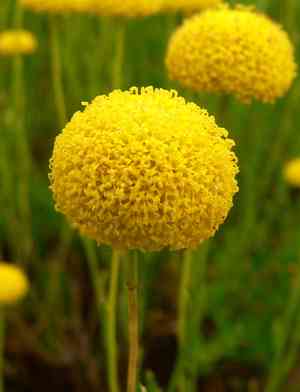
Green santolina flourishes when multiplied via cuttings, a convenient technique for cultivators. Begin by choosing a robust, non-blooming stem and sever a section approximately 3-4 inches in length. Remove the bottom leaves and immerse the severed tip in rooting compound to stimulate root formation. Insert it into a potting blend that drains effectively, making sure the surroundings stay moist until roots take hold. This uncomplicated strategy enables even inexperienced gardeners to successfully expand their assortment of green santolina.
Optimal Period for Green Santolina Propagation
Propagation Method
Cutting
Propagation Period
Spring,Summer
Tools Required for Green Santolina Propagation
Sharp pruning shears
These are vital for obtaining clean, precise cuttings from green santolina. Sharp blades prevent jagged cuts, minimizing damage to the parent plant and boosting rooting success. Sterilize shears before use to prevent disease spread.
Rooting hormone
This product is employed to speed up root formation in green santolina cuttings. Applying rooting hormone to the cut end before planting encourages root growth and increases propagation success, especially for woody plants like green santolina.
Potting mix
A well-draining, sterile potting medium is essential for propagating green santolina from cuttings. The mix must offer good aeration and moisture retention to support initial root development. A mix for cuttings or seedlings, often containing perlite, vermiculite, and peat moss, is ideal.
Propagation trays or pots
These containers hold the potting mix and cuttings. They need good drainage to prevent waterlogging, which can cause cuttings to rot. Trays or pots designed for propagation may offer humidity control, beneficial for green santolina rooting.
Plastic covers or humidity domes
These are used to maintain high humidity around green santolina cuttings, preventing them from drying out before roots form. A humid environment promotes successful root development and plant establishment.
How to Propagate Green Santolina?
Propagation Type
Moderately Difficult
Caring for Your Newly Propagated Green Santolina
Caring for Your Newly Propagated Green Santolina?
Once rooted, gradually introduce green santolina to drier conditions by slowly opening the plastic cover over several days. Transplant rooted cuttings into individual pots or a suitable outdoor spot, ensuring full to partial sun and well-drained soil. Water green santolina moderately, allowing the soil to dry slightly between waterings. Prune annually to maintain shape and encourage denser growth.
Common Errors to Avoid When Propagating Green Santolina
Overwatering during rooting
Excessive watering of green santolina during the rooting phase can lead to root rot, significantly lowering propagation success. This practice creates an overly damp environment, which is harmful to root development.
Using old or contaminated planting materials
Employing non-sterile propagation media or containers can introduce pathogens to green santolina, potentially causing diseases and poor growth. This error can severely impact the plant's development and reduce overall propagation success.
Inadequate sunlight
Placing propagating green santolina in low light conditions can result in weak, elongated growth. Sufficient light is vital for the health of green santolina, influencing the development of strong roots and a robust plant structure.
Tips For Propagating Green Santolina
Use healthy parent plants
Selecting robust and disease-free parent plants for cuttings ensures higher viability and strength in the propagated green santolina. Strong genetic material contributes to better growth and resistance to pests and diseases.
Proper cutting technique
Make clean cuts on the parent plant using sterilized pruning tools to prevent disease spread. This practice promotes better healing and rooting in green santolina, crucial for successful propagation.
Provide adequate moisture and drainage
Maintaining balanced soil moisture is critical for successful green santolina propagation. The propagation medium should be kept slightly moist and well-draining to support healthy root development without causing waterlogging.



