The Green santolina Plant Advantage: Maximizing Home and Office Appeal and Wellness
1
Green santolina tolerates dry conditions well, making it suitable for gardens with limited water.
2
The fragrant properties of Green santolina can naturally deter unwanted insects.
3
Green santolina requires minimal upkeep, making it great for new and seasoned gardeners alike.
What is Green santolina?
Background and Origin
Green santolina originates from the Mediterranean region, where it naturally grows in arid, rocky ground. It's a robust plant recognized for its resilience against harsh climates, making it a popular choice for gardeners globally.
Physical Characteristics
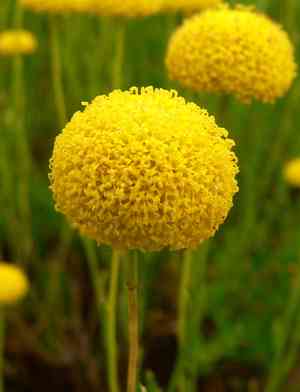
Green santolina is identified by its dense, bushy form and vibrant green foliage. Its leaves are needle-like, contributing to its distinct texture and look. While primarily valued for its lush greenery, Green santolina also produces small, yellow blooms that add color during its flowering period.
Herbaceous Benefits: Why Choose Green santolina?
Low Water Requirement
A key characteristic of Green santolina is its ability to withstand drought. In areas where water conservation is vital, Green santolina flourishes with minimal irrigation. This makes it an eco-friendly option that demands less upkeep over time.
Pest Repellent Properties
Green santolina emits a potent, pleasant scent known to deter various pests like mosquitoes and moths. This natural pest-repelling quality is especially beneficial for those aiming for organic or chemical-free gardens.
How to Cultivate Green santolina in Your Garden?
Optimal Growing Conditions
Green santolina prefers well-draining soil and thrives in full sun. It can adapt to poorer soil types, making it versatile for different garden settings. Plant it where it receives at least 6-8 hours of daily sunlight for best growth.
Maintenance Tips
Once established, Green santolina requires minimal care. It's quite resistant to diseases and pests. Pruning can be done in spring to maintain its shape and encourage healthy development. Due to its hardy nature, even beginner gardeners can easily manage Green santolina.
Uses of Green santolina Beyond the Garden
In Home Aromatics
The fragrant leaves of Green santolina can be dried and used in potpourri mixes, sachets, and other home scent products. Its fresh aroma is known to have calming effects, making it a great addition to any space.
Crafting and Decoration
Green santolina is frequently used in dried flower arrangements, wreaths, and as decorative greenery. Its evergreen quality ensures it retains its color and form even after drying, making it a durable choice for crafts and decor.
Ecological Impact of Green santolina
Encouraging Biodiversity
Green santolina contributes to local ecosystems by offering habitat and sustenance for various insects and small creatures. Its flowers attract pollinators, which are essential for maintaining biodiversity.
Environmental Benefits
As a plant requiring little water, Green santolina aids in conserving water resources. Furthermore, its pest-repelling attributes reduce the need for chemical pesticides, fostering a healthier environment.
Common Challenges and Solutions When Growing Green santolina
Dealing with Overwatering
Excessive watering is a common problem that can lead to root rot in Green santolina. Ensure the soil drains well and avoid over-watering, particularly during the rainy season.
Managing Growth
While Green santolina is easy to maintain, it can become leggy if not regularly pruned. Consistent trimming during the growing season will promote a denser, more attractive plant.



