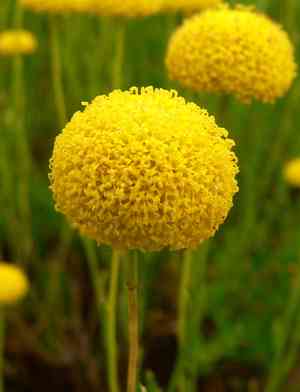
Green santolina (Santolina virens)
Also known as: Green Santolina, Olive Herb, Green Lavender Cotton
Santolina chamaecyparissus, also known as Lavender Cotton, is a compact evergreen shrub ideal for Mediterranean-style gardens and gravel beds. It features fine, feathery silvery-green foliage and produces small yellow flowers in dense, button-like clusters during the summer. Known for its drought resistance and aromatic leaves, it thrives in sunny, dry conditions and attracts pollinators like bees.
In This Article
Attributes of Green santolina
Lifespan
Perennial
Plant Type
Shrub
Plant Height
30 cm to 61 cm
Spread
60 cm to 1.2 m
Leaf Color
Green
Flower Size
2.5 cm
Flower Color
Yellow
Images of Green santolina
Quickly Identify Green santolina
1
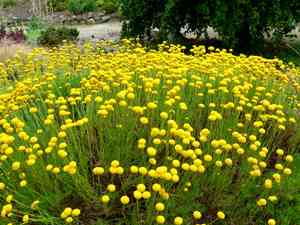
Compact, rounded growth habit up to 2 feet (60 cm) in height and spread.
2
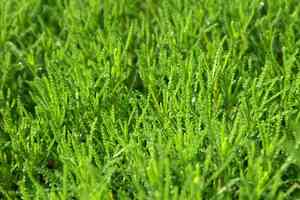
Slender, silvery-green leaves emit a pleasant aroma when crushed.
3
Button-shaped yellow flowers with dense, compact heads about 0.5 inches (1.3 cm) in diameter.
4
Strong resilience to dry and coastal conditions, thriving in full sun exposure.
5
Pruning recommended post-bloom to maintain shape and compact growth habit.
Scientific Classification of Green santolina
Phylum
Vascular plants
Class
Dicotyledons
Order
Asterales
Family
Daisy
Genus
Santolina
Species
Green santolina
Planting and Growing of Green santolina
Care Difficulty
Easy
Watering Schedule
Every 4 days
Sunlight Requirements
Full sun
Sunshine Duration
4-8 hours
Ideal Temperature
60-70℉
Soil Type
Potting Mix, Peat Mix
Soil pH
6.5-7.5
Fertilizer Type
Balanced
Pruning Season
Spring, Summer
Pruning Area
Branches, Leaves
Pruning Frequency
Once a year
Repotting Season
Spring
Pot Type
Plastic, Ceramic
 How to Water Green santolina?
The watering amount for Santolina virens should be 150 milliliters per session. When watering, aim to soak the soil thoroughly but not excessively, allowing excess water to drain away. The principle for watering should ensure the top inch of soil is dry before re-watering.
What are the symptoms of an underwatered Green santolina?
›
What should I do if my Green santolina is not getting enough water?
›
What are the symptoms of an overwatered Green santolina?
›
How to save an overwatered Green santolina?
›
 What Are the Sunlight Requirements for Green santolina?
Santolina virens benefits from full to partial sunlight. Adequate light ensures dense growth and maximizes aromatic properties, enhancing both ornamental and sensory appeal.
What is the ideal lighting condition for Santolina virens?
›
How can I ensure Santolina virens receives its ideal lighting?
›
What benefits does Santolina virens gain from ideal lighting?
›
 What Is the Ideal Temperature Range for Green santolina?
The ideal temperature range of 60-70°F is optimal for Santolina virens because it mimics the conditions of its native Mediterranean habitat. These temperatures ensure healthy growth, encourage vibrant foliage, and prevent stress-related issues. At this range, the plant can efficiently photosynthesize and metabolize nutrients. It helps maintain the vitality and longevity of the plant.
 What Soil is Best for Green santolina?
Santolina virens thrives in well-drained soil, which prevents waterlogging and root rot. This condition simulates its natural habitat and ensures the roots get adequate air. A moderately fertile soil is beneficial for Santolina virens as it provides essential nutrients for growth without overwhelming the plant. Overly rich soil may promote excessive leaf growth at the expense of flowers. This plant prefers slightly alkaline conditions, which are naturally found in calcareous soils, helping to maintain optimal nutrient uptake and preventing deficiencies.
 How to Fertilize Green santolina?
When fertilizing Santolina virens, aim for a balanced application. Use a half-strength liquid fertilizer monthly during the growing season. For slow-release options, apply sparingly, following the package instructions but aiming for about three times a year.
 How to Prune Green santolina?
Begin by inspecting the plant for any dead, damaged, or diseased wood. Carefully cut these parts back to the base or to a healthy node. This will help to keep the plant healthy and reduce the potential for disease spread. Trim the plant to maintain its desired shape, focusing on encouraging a rounded and compact form. Make your cuts just above a leaf node or pair of leaves to stimulate new growth and enhance the plant's appearance. If the plant becomes too large or unruly, prune back one-third of its size to encourage more manageable growth. Ensure that each cut is made at an angle to allow water to run off and prevent rot.
More About Pruning Techniques→
 How to Propagate Green santolina plant?
1
Start by collecting seeds from mature Santolina virens plants. Sow the seeds in a seed tray with well-draining soil and cover lightly with soil. Keep the soil moist and place the tray in a warm area until germination occurs, typically within three weeks.
2
Take softwood cuttings in early morning during spring. Dip the cut end in rooting hormone, and plant in a pot with a mixture of sand and peat. Keep the cuttings in indirect sunlight and maintain humidity until roots develop.
3
In early spring, gently dig around mature plants to lift them from the soil. Divide the root mass into sections using a sterilized knife, ensuring each section has roots and shoots. Replant immediately in well-draining soil and water adequately.
 How to Repot Green santolina plant?
1
It’s time to repot your Santolina virens when you notice roots emerging from the drainage holes of its current pot or if the soil becomes overly compacted and doesn't retain moisture well. Another sign is stunted growth or the plant looking too large for its pot, indicating it's becoming root-bound.
2
Select a pot that's one size larger than the current one, ensuring a couple of inches more in diameter. This size promotes healthy root growth and avoids excessive soil moisture retention, which might otherwise lead to root rot. A pot with drainage holes is crucial to let excess water escape and prevent waterlogging.
3
Opt for a well-drained sandy soil mix. This type of soil allows air circulation around the roots, enhancing nutrient uptake and mimicking the plant’s natural environment. Sandy soil especially prevents water stagnation around the roots, reducing the risk of root disease.



