How to Transplant Cedar sage?
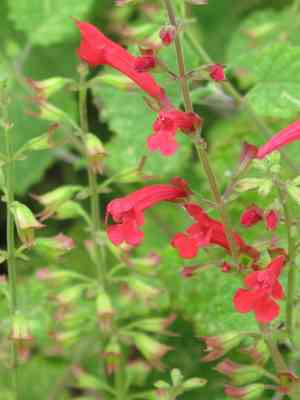
The ideal period to transplant cedar sage is as temperatures rise, yet prior to the height of summerâgenerally from mid to late spring. Select a location offering partial shade and verify that the soil drains effectively. Careful manipulation is essential to prevent harm to the roots.
What Preparations are Needed Before Transplanting Cedar Sage?
What is the Ideal Time for Transplanting Cedar Sage?
The optimal period for moving cedar sage is during the lively days of mid to late spring or the start of early summer. This timeframe allows cedar sage to settle into the warming earth, fully benefiting from longer days and prime growing conditions. Relocating cedar sage in this season ensures a strong root system before the intense heat of peak summer, providing a lush, healthy base for vigorous growth. Placing cedar sage in its new spot at this time encourages robust development, aligning with its natural perennial growth cycle.
How Much Space Should You Leave Between Cedar Sage Plants?
For each cedar sage seedling, dig a hole and position them 1-2 feet (0.3-0.6 meters) apart. This provides ample room for each plant to thrive without competing for nutrients. Ensure the hole is sufficiently wide and deep for roots to spread easily.
What is the Best Soil Mix for Cedar Sage Transplanting?
Prepare the soil by ensuring it drains effectively. Cedar sage prefers a sandy or loamy mixture. A general-purpose, slow-release fertilizer can be incorporated as a base during soil preparation to supply essential nutrients throughout the growing season.
Where Should You Relocate Your Cedar Sage?
Cedar sage thrives in sunlight, so select a transplanting site that receives full sun. However, it can also endure partial shade. If your garden has varying sunlight intensity throughout the day, choose spots with morning sun for best growth.
What Equipments Should You Prepare Before Transplantation Cedar Sage?
Gardening Gloves
To safeguard your hands from any sharp edges on gardening tools and to keep them clean.
Shovel or Garden Trowel
Required for excavating the cedar sage from its current spot and digging a new hole.
Watering Can
To supply water to the cedar sage during and after the transplanting process.
Gardening Shears
These will assist in trimming the roots of the cedar sage if necessary.
Garden hose
to thoroughly water the ground after planting. Ensuring the cedar sage is well-settled in its new location and can readily access water.
How Do You Remove Cedar Sage from the Soil?
How Do You Remove Cedar Sage from the Soil?
From Ground: Start by thoroughly watering the cedar sage plant to moisten the soil. Use a shovel or garden trowel to dig around the plant, maintaining a safe distance from the roots to prevent damage. Once the soil around the plant is loosened, gently lift the cedar sage from the ground while supporting its root ball.From Pot: Begin by watering the cedar sage thoroughly to moisten the potting mix. Turn the pot on its side, gently hold the plant, and tap the bottom of the pot to loosen it. Carefully slide the cedar sage out while supporting the plant's base and root ball. Avoid pulling on the stems, which could cause damage.From Seedling Tray: To remove the cedar sage from a seedling tray, first water the tray to soften the cell's soil. Using your fingers, gently push up on the bottom of the cell to lift the cedar sage out. Be careful not to yank the plant, as this could harm its delicate root system.
Step-by-Step Guide for Transplanting Cedar Sage
Prep the Ground
Starting at your chosen location, use your shovel or garden trowel to dig a hole that is twice as wide and equal to the depth of the cedar sage root ball. Loosen the soil at the bottom and sides of the hole.
Prune the Roots
Gently trim any damaged or excessively long roots of the cedar sage plant using your gardening shears.
Position the Plant
Place your cedar sage in the center of the previously dug hole. Ensure the top of the root ball is level with the ground.
Fill the Hole
Carefully backfill the hole with the excavated soil. Gently press the soil down to eliminate any air pockets.
Water the Plant
Give your cedar sage a generous watering. The water will help the soil settle around the roots and remove any remaining air pockets.
How Do You Care For Cedar Sage After Transplanting?
Watering
Keep cedar sage well-hydrated in the weeks following transplantation. Do this especially during dry periods, ensuring water penetrates deep into the soil to encourage root development. Excessive water can drown the plant, so allow the soil to dry out somewhat between watering sessions.
Pruning
To stimulate new growth, prune cedar sage sparingly, removing any dead or dying leaves and flowers.
Observing
Monitor cedar sage for a couple of weeks. Any signs of wilting, discolored foliage, or slow growth may indicate plant stress. Some transplant shock is normal, but if it persists, contacting a local extension service or a reputable nursery might be advisable.
Troubleshooting Common Issues with Cedar Sage Transplantation.
What's the ideal transplanting season for cedar sage?
The best seasons to transplant cedar sage are late spring to early fall (S2-S4).
What space should be maintained between cedar sage while transplanting?
To allow cedar sage to grow healthily, keep a distance of about 1-2 feet (30-60 cm) between each plant.
Can cedar sage be transplanted in full sun exposure?
Cedar sage prefers partial shade. Too much sun can stunt its growth and cause wilting. Partial sun is ideal to promote vibrant blooms.
How to transplant cedar sage without causing root damage?
Dig a hole 2 times the root ball size. Carefully place cedar sage in, being gentle to avoid damaging the roots. Fill the hole back up.
Does cedar sage need any special soil when transplanting?
Cedar sage thrives in well-drained soil. Enriching it with organic matter before planting promotes better growth and a healthier plant.
What should I do if the transplanted cedar sage starts wilting?
Wilting is often a sign of water stress. Check if the soil is overly wet or too dry. Amend watering practices as needed to keep the soil moist, but not soggy.
How deep should cedar sage be planted when transplanting?
Cedar sage should be planted at the same soil depth it was grown previously. The top of the root ball should be level with the ground surface.
What should the watering schedule be like for a newly transplanted cedar sage?
In the first week after transplanting cedar sage, water it daily. Later, adjust the schedule based on the soil's dryness, aiming to maintain a damp, but not water-logged condition.
When should one fertilize a newly transplanted cedar sage?
Usually, cedar sage doesn't require immediate fertilizing after transplanting. Wait about 4-6 weeks before applying a balanced, slow-release type of fertilizer.
What should be the temperature condition while transplanting cedar sage?
Cedar sage prefers moderate temperatures, ideally between 60°F and 80°F (15°C - 27°C). Extreme heat or frost may shock the plant and hinder successful transplanting.



