The Cedar sage Plant Advantage: Maximizing Home and Office Appeal and Wellness
1
Cedar sage is a robust plant variety that flourishes in low-light environments, perfect for various garden designs.
2
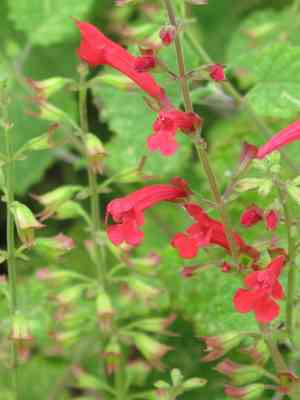
This species displays brilliant red blooms, drawing in nectar-feeding birds such as hummingbirds.
3
Cedar sage requires minimal care and can contribute to better soil conditions.
Why Select Cedar Sage for Your Garden?
What Makes Cedar Sage Unique?
Cedar sage is celebrated for its distinct blend of hardiness and allure. Its vivid red blooms are not only visually striking but also act as a magnet for pollinators, including hummingbirds and various bee species. This dual function of offering aesthetic appeal and supporting local ecosystems makes Cedar sage an excellent option for gardeners aiming to cultivate a vibrant and sustainable garden.
The Adaptability of Cedar Sage
A key characteristic of Cedar sage is its flexibility. It can flourish in shaded or partially shaded areas, making it a versatile addition to gardens with diverse light conditions. Furthermore, Cedar sage is drought-tolerant once established, enabling it to maintain its vitality even during periods of low rainfall. This resilience means gardeners can enjoy a lush and lively garden without constant concern for plant upkeep.
How to Maintain Cedar Sage
Optimal Planting Conditions
For Cedar sage to thrive, it is crucial to plant it in well-draining soil. While it can tolerate various soil types, ensuring good drainage will prevent root rot and encourage healthy growth. When planting Cedar sage, consider incorporating organic material into the soil to enhance its nutrient content and structure.
Watering and Fertilization
During the initial planting phase, consistent watering is vital to help Cedar sage establish its root system. However, once mature, Cedar sage becomes relatively drought-tolerant and requires minimal irrigation. Fertilizing Cedar sage once or twice annually with a balanced fertilizer can help sustain its vigor and ensure abundant flowering. Avoid excessive fertilization, as this can lead to an overgrowth of foliage at the expense of blooms.
Ecological Advantages of Cedar Sage
Fostering Biodiversity
By integrating Cedar sage into your garden, you are contributing to the local ecosystem in significant ways. The flowers attract a variety of pollinators, which play a crucial role in the reproductive processes of many plants. This not only aids in maintaining the health of your garden but also supports the broader ecosystem by providing essential resources for pollinators.
Enhancement of Soil Health
Cedar sage can also improve the quality of your garden soil. Its roots help to prevent soil erosion by anchoring the soil in place. Additionally, the plant's organic matter, when decomposed, enriches the soil with nutrients, improving its structure and fertility over time. This natural enrichment reduces the need for chemical fertilizers, promoting a more sustainable gardening approach.
Design Concepts for Utilizing Cedar Sage in Your Garden
Creating Striking Flower Beds
Cedar sage's vibrant red flowers can serve as the focal point in garden beds and borders. Pair it with other shade-loving plants to create a visually stunning display that thrives in low-light conditions. Consider planting Cedar sage in clusters to maximize its visual impact and create a sea of color that attracts attention and admiration.
Incorporating Cedar Sage in Naturalistic Gardens
For those who prefer a more naturalistic garden design, Cedar sage is an ideal choice. Its ability to grow in woodland settings makes it perfect for recreating the look and feel of a natural forest understory. Combine it with native grasses, ferns, and other woodland plants to create a harmonious and balanced garden that mimics the beauty and complexity of natural ecosystems.



