How to Prune Cedar sage?
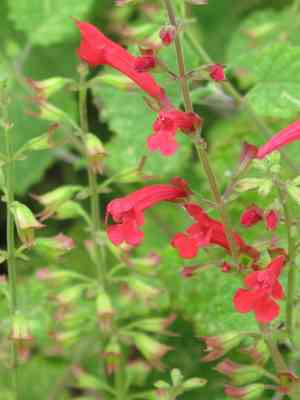
A consistently popular choice for dimly lit garden areas, this botanical specimen provides vivid blossoms and aromatic foliage. Trimming primarily involves removing faded flowers to stimulate additional blooming, while cutting back elongated or excessively large stems enhances air circulation and form. The most opportune periods for pruning are during spring and autumn. Minor trimming in summer also proves advantageous. Pruning can instigate fresh development, making synchronization with the growth pattern essential. Refrain from extensive pruning late in the fall to avert encouraging delicate growth that is vulnerable to frost harm.
What Are the Benefits of Pruning Cedar Sage?
What Are the Benefits of Pruning Cedar Sage?
Trimming cedar sage promotes more abundant blossoms, stimulates vigorous development, and maintains a tidy, compact form, crucial for garden beauty and vitality.
What Is the Best Time for Pruning Cedar Sage?
What Is the Best Time for Pruning Cedar Sage?
Pruning in the Spring prepares cedar sage for new growth after its winter dormancy. This timing helps shape the plant for the upcoming season, removes winter-damaged stems, and creates space for new shoots. Early Summer pruning benefits cedar sage by removing spent flowers, encouraging additional blooming cycles, and preventing the plant from expending energy on seed production. Trimming during Fall is ideal for cedar sage, allowing for the removal of dead or diseased growth before dormancy, which can improve overall health and vigor. It is also the time to trim for size control and general maintenance without stressing cedar sage during harsh summer or winter temperatures.
What Tools Do I Need to Prune Cedar Sage?
Hand pruners
Appropriate for cutting stems up to 1/2 inch in diameter, enabling precise cuts without harming the soft growth of cedar sage.
Pruning shears
Perfect for shaping and maintaining the compact structure of cedar sage, ensuring clean cuts on smaller, delicate stems.
Bypass pruners
Recommended for making clean cuts on live stems of cedar sage, reducing the risk of disease and plant damage.
Scissors
For thinning and deadheading cedar sage, scissors can be used to snip off faded flowers and trim delicate growth without crushing plant tissues.
Gloves
To safeguard hands from thorns or rough foliage while trimming cedar sage.
How to Prune Cedar Sage
Clean Tools
Start by sanitizing pruning shears with a solution of one part bleach to nine parts water to prevent disease spread during trimming.
Remove Diseased Leaves
Carefully cut away any diseased leaves from cedar sage at their base where they meet the stem, avoiding contact with healthy foliage to prevent contamination.
Trim Withered Leaves
Identify and trim away withered leaves, making cuts at the base of the leaf to promote healthy growth and improve air circulation.
Deadhead Flowers
Deadhead spent flowers by cutting the withered flower stems back to the first set of healthy leaves to encourage cedar sage to produce new blooms.
Cleanup
Gather and dispose of all removed foliage and flowers in the trash, not the compost, to prevent the spread of any potential diseases.
Common Pruning Mistakes with Cedar Sage
Overpruning
Excessive pruning can shock cedar sage and diminish its ability to flower. Novices might remove too much foliage, mistaking the plant’s natural shape for surplus growth.
Disregarding Health
Ignoring diseased or dead stalks while pruning healthy growth can spread disease and pests, weakening cedar sage.
Inadequate Tool Cleaning
Not sterilizing tools between cuts and plants introduces the risk of spreading pathogens to cedar sage.
Pruning Living Tissue
Cutting into green, live stems may unnecessarily stress cedar sage and impede its natural growth habit.
Neglecting Shape
Failing to consider the natural shape of cedar sage during pruning can result in a loss of its aesthetic appeal and can also affect the plant's health.
Common Pruning Tips for Cedar Sage
Selective Cutting
Remove only dead or diseased leaves and stems to maintain the health of cedar sage without compromising its structure.
Tool Sterilization
Clean pruning tools before use on cedar sage to prevent disease transmission, using a solution of 1 part bleach to 9 parts water.
Pruning To A Node
Cut above a leaf node to encourage fuller growth and maintain the natural shape of cedar sage.
Deadheading
Snip off spent blooms just below the flower head to promote more robust, repeated blooming in cedar sage.
Post-Bloom Pruning
Trim cedar sage back by one-third after the main flowering period to revitalize the plant and encourage a second bloom.



