How to Propagate Cedar sage?
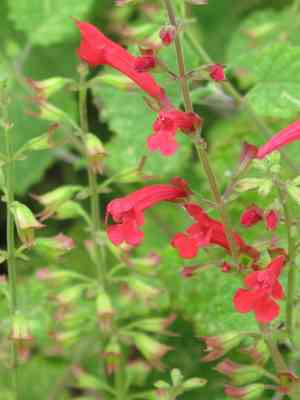
Cedar sage flourishes in forested environments, favoring damp, adequately drained earth and dappled sunlight. To achieve successful propagation, plant fresh seeds in autumn directly into a prepared seedbed. These ought to be positioned just beneath the soil's surface, as cedar sage seeds require obscurity for sprouting. Perseverance is essential, given that germination could span several months, yet sustaining consistent humidity throughout this phase is vital. Once young plants have produced their initial true leaves, they can be relocated to their permanent spots. Cedar sage's capacity to adjust to its surroundings renders it a robust option for cultivators desiring both decorative and indigenous varieties.
What Is the Best Time To Propagate Cedar Sage?
Propagation Type
Sowing
Propagation Season
Spring
What Tools Are Used in Cedar Sage Propagation?
Seed trays
Seed trays are vital for initiating cedar sage from seeds, offering a contained space that can be easily managed and observed. The small sections enable individual seed planting, preventing overcrowding and promoting proper air circulation around each seedling. This arrangement supports the uniform development of cedar sage, ensuring each seedling gets an equal share of resources like light and water, which is crucial for early growth stages.
Peat pots
Peat pots are advantageous for cedar sage due to their biodegradable composition. These containers allow for direct transfer of seedlings into the garden without disturbing the root system. For cedar sage, which can be sensitive to transplant shock, peat pots minimize this risk by reducing root disruption, thereby fostering healthier and quicker adaptation to new growing environments.
Quality seed starting mix
A premium seed starting mix offers cedar sage seeds an ideal growth medium free from pathogens, which is essential for the vulnerable initial stage of seedlings. The mix typically retains water well yet drains efficiently, important for preventing root diseases in cedar sage and ensuring delicate roots can grow without becoming waterlogged.
Misting bottle
A misting bottle is utilized to gently irrigate cedar sage seeds without dislodging them. The fine spray ensures the seeds remain damp, which is crucial for germination, without causing erosion or exposing the seeds, as might occur with heavier watering methods.
Grow lights
If starting cedar sage seeds indoors or in low-light conditions, grow lights can supply the necessary light spectrum for photosynthesis and healthy seedling development. This can mimic natural sunlight, encouraging better growth and preventing seedlings from becoming elongated or weak, which is particularly important for cedar sage to establish a strong beginning.
How to Propagate Cedar Sage?
Propagation Type
Easy
How to Care for Your Newly Propagated Cedar Sage?
How to Care for Your Newly Propagated Cedar Sage?
After propagating cedar sage, it's important to keep the plants in partial shade to partial sun, especially in hotter climates where midday sun can be too intense. Regular watering is essential, allowing the soil to dry slightly between waterings. Mulching helps retain moisture and control weeds. Pruning is not typically necessary, but deadheading can promote continuous blooming. Monitor regularly for pests or diseases and treat accordingly.
Common Mistakes to Avoid When Propagating Cedar Sage
Overwatering
This can lead to root rot and fungal issues due to cedar sage's preference for well-draining soil and tolerance for drought.
Deep planting
Planting the cuttings too deep can prevent proper rooting and growth because cedar sage requires sufficient light and air exposure for roots to develop.
Neglecting Humidity
Failing to maintain a humid environment around the cuttings might impede root formation, as cedar sage benefits from consistent moisture in the air during propagation.
Ignoring Soil Type
Using the wrong type of soil can hinder root development. Cedar sage thrives in a soil mix that mimics its natural habitat, which is typically rocky or sandy and well-draining.
Lack of Patience
Impatience may lead gardeners to disturb or transplant cuttings prematurely, not allowing enough time for cedar sage to develop a strong root system.
Tips For Propagating Cedar Sage
Stem Cuttings
Use healthy stem cuttings with several nodes and plant them in a well-draining soil mix, ensuring the nodes are just below the soil surface to encourage root growth.
Adequate Light
Place the cuttings in a bright area with indirect light as cedar sage cuttings require sufficient light to root successfully, but direct sunlight may be too intense.
Humidity Control
Create a humid environment for your cuttings without saturating the soil by covering them with a plastic bag or using a humidity dome to retain moisture in the air.
Water Management
Water the cuttings lightly but consistently to keep the soil moist, not waterlogged, and ensure that the pot has drainage holes to prevent water accumulation.
Proper Soil Mix
Replicate cedar sage's native growing conditions by using a mix of sandy or rocky soil with organic compost to provide good drainage and nutrient support for the new roots.



