How to Transplant Creeping willow?
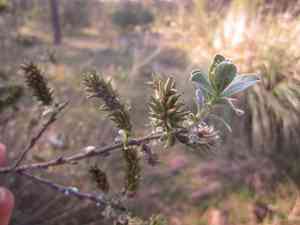
Creeping willow flourishes when relocated from late spring through early summer, benefiting from the soil's warmth. Choose a spot that receives full sun to partial shade and has good drainage. Make sure the environment resembles its native setting to encourage robust development.
What Preparations are Needed Before Transplanting Creeping Willow?
What is the Ideal Time for Transplanting Creeping Willow?
The best time for relocating creeping willow is from late spring to early summer. This period allows the plant to establish itself prior to the onset of severe weather. Moving it during this time ensures creeping willow benefits from mild temperatures and its active growth phase, promoting faster root development and overall plant vitality.
How Much Space Should You Leave Between Creeping Willow Plants?
Position your creeping willow plants approximately 3-5 feet (0.9-1.5 meters) apart. This provides ample room for them to expand and flourish without excessive competition for resources.
What is the Best Soil Mix for Creeping Willow Transplanting?
Prepare soil that drains well with a pH ranging from slightly acidic to neutral (5.5-7.0). Incorporate organic compost or a balanced base fertilizer to enrich the soil and ensure your creeping willow thrives.
Where Should You Relocate Your Creeping Willow?
Select a sunny spot as creeping willow requires abundant sunlight. Ensure the area receives at least 6 hours of direct sun daily for optimal development.
What Equipments Should You Prepare Before Transplantation Creeping Willow?
Gardening Gloves
To safeguard your hands while handling soil and plants.
Small Shovel or Spade
For excavating around the plant and lifting it from its initial position.
Garden Fork
Useful for loosening soil and roots if necessary.
Watering Can or Hose
To hydrate the plant before and after relocation.
Compost
To enrich the new planting site.
How Do You Remove Creeping Willow from the Soil?
How Do You Remove Creeping Willow from the Soil?
From Ground: First, moisten the soil around creeping willow by watering it. Then, dig a wide trench around the plant using a shovel or spade, ensuring the plant's root ball remains intact. Carefully work the spade beneath the root ball to lift the plant from its original spot.From Pot: Gently water creeping willow to keep the soil damp. Carefully turn the pot on its side and slide the plant out, making sure the root ball stays whole. If the plant is stuck, run a garden fork around the pot's edges to loosen the soil.From Seedling Tray: Water creeping willow beforehand to facilitate removal. Gently squeeze the cell to loosen the roots, then carefully lift the plant out, retaining as much soil around the roots as possible.
Step-by-Step Guide for Transplanting Creeping Willow
Site Preparation
Loosen the soil in the new planting area, ensuring it is free of weeds and rocks. Add compost to enrich the soil.
Digging a Hole
Excavate a hole that is twice as wide and as deep as the root ball of creeping willow.
Placing the Plant
Gently position creeping willow into the hole, making sure the top of the root ball is level with the surrounding soil.
Filling the Hole
Backfill the hole with soil, gently pressing it down around the plant while ensuring there are no air pockets. Water thoroughly after planting.
How Do You Care For Creeping Willow After Transplanting?
Watering
Keep the soil around creeping willow consistently moist, but not waterlogged, for the initial few weeks post-transplant to aid in developing strong roots.
Mulching
Apply a layer of mulch around the base of creeping willow to help retain moisture and suppress weeds.
Monitoring
Regularly inspect creeping willow for signs of stress such as wilting or yellowing leaves. Address any issues promptly.
Troubleshooting Common Issues with Creeping Willow Transplantation.
When is the best time to transplant creeping willow?
Late spring to early summer is ideal for relocating creeping willow to ensure optimal growth.
How do I correctly space the plants?
Space creeping willow plants 3-5 feet (0.9-1.5 meters) apart for optimal growth and air circulation.
What should the soil be like?
Creeping willow thrives in well-drained, sandy or loamy soil with a slightly acidic to neutral pH.
How deep should I plant creeping willow?
Ensure the root ball of creeping willow is planted at the same depth as it was originally.
What precautions should I take during transplanting?
Handle creeping willow carefully to avoid damaging the roots and ensure proper hydration before and after transplanting.
How much water does creeping willow need after transplanting?
Water creeping willow thoroughly after transplanting and keep the soil consistently moist but not waterlogged.
How do I improve the survival rate after transplanting?
Apply a layer of mulch around creeping willow to retain moisture and regulate soil temperature.
Can I fertilize immediately after transplanting?
Wait at least a few weeks after relocating creeping willow before applying a balanced, slow-release fertilizer.
How to deal with transplant shock?
Minimize transplant shock by watering regularly, avoiding root disturbance, and providing partial shade initially.
What pests or diseases should I watch for?
Monitor creeping willow for aphids, caterpillars, and leaf spot diseases, and treat immediately if detected.



