How to Propagate Creeping willow?
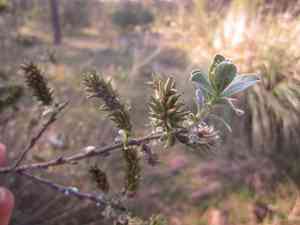
Creeping willow is efficiently multiplied via cuttings. This technique entails acquiring robust, uninfected shoots from an established specimen. Cuttings ought to be sourced from thriving branches to elevate the probability of successful root formation. These sections can subsequently be placed in a porous potting blend to stimulate root growth. Maintaining adequate humidity for the cuttings is vital to avert desiccation, thereby improving the overall rate of success.
Optimal Period for Creeping Willow Propagation
Propagation Method
Cutting
Propagation Season
Autumn,Winter
Tools Required for Creeping Willow Propagation
Sharp Pruning Shears
These are essential for obtaining clean, precise cuttings from creeping willow. Their sharpness ensures a smooth cut, promoting faster healing and reducing infection risk. Properly taken cuts are vital for successful rooting.
Rooting Hormone
This product stimulates root development in creeping willow cuttings. Applying rooting hormone to the cut end before planting increases the likelihood of successful root growth, which is crucial for plant establishment.
Potting Mix
A well-draining, sterile potting medium suitable for cuttings provides the necessary environment for creeping willow to root. It helps prevent diseases and offers both support and adequate nutrients.
Propagation Tray or Pots
These containers hold the potting mix and support creeping willow cuttings during the rooting phase. Trays can facilitate a controlled environment, beneficial for monitoring moisture and growth.
Plastic Covers or Domes
Covering propagation trays or pots with plastic helps maintain the required high humidity and stable temperature, crucial for creeping willow's rooting process. This creates a mini-greenhouse effect, encouraging faster rooting.
How to Propagate Creeping Willow?
Propagation Type
Moderately Difficult
Caring for Your Newly Propagated Creeping Willow
Caring for Your Newly Propagated Creeping Willow?
Once creeping willow cuttings have rooted successfully and show new growth, gradually introduce them to outdoor conditions. Begin by removing the plastic cover for a few hours daily, increasing the duration progressively. When the seedlings appear robust, transplant them to their permanent spot, ensuring moist, well-draining soil and partial shade. Regular watering and mulching will help retain soil moisture and protect the young plants.
Common Errors to Avoid When Propagating Creeping Willow
Incorrect cutting size
Using either excessively large or very small cuttings can negatively impact the rooting and growth of creeping willow. Smaller cuttings may lack sufficient resources for initial growth, while larger ones are more susceptible to rot.
Overwatering
Although creeping willow prefers moist conditions, excessive water can lead to root rot and other fungal diseases, especially during the rooting process.
Neglecting pre-treatment
Creeping willow benefits from specific pre-treatment of cuttings, such as hormone applications or slight wounding to enhance rooting. Skipping this step can result in poor or no root development.
Tips For Propagating Creeping Willow
Use healthy, semi-hardwood cuttings
For creeping willow, selecting healthy, mature, but not fully hardened cuttings increases the chances of successful rooting. These should ideally be 15-20 cm in length.
Maintain high humidity
Keeping the environment around creeping willow humid will support root development. This can be achieved using a humidity dome or misting system.
Well-draining substrate
Using a well-draining yet moist substrate is crucial. A mix of peat and sand often works well, ensuring creeping willow does not sit in overly wet soil.



