How to Prune Creeping willow?
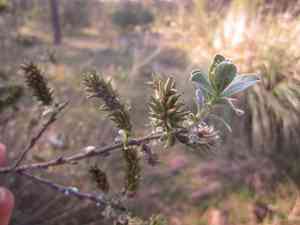
A robust, low-lying bush featuring elongated, pliable limbs, creeping willow greatly benefits from trimming to preserve its form and stimulate robust development. The most opportune periods for pruning creeping willow are in late winter or early spring, prior to the emergence of new foliage. During this timeframe, eliminate any deceased or compromised branches and thin out mature stems to facilitate light penetration and air movement throughout the plant's structure. This action not only boosts the plant's vitality but also deters ailments.
Advantages of Trimming Creeping Willow
Advantages of Trimming Creeping Willow
Trimming creeping willow promotes robust development and maintains its desired form. Strategic cutting back manages spread and fosters denser, healthier branches, enhancing the plant's beauty and structural soundness.
Optimal Time for Trimming Creeping Willow
Optimal Time for Trimming Creeping Willow
Trimming creeping willow in late winter or early spring is ideal, coinciding with the plant's dormant phase, just before new growth emerges. This timing allows for the removal of dead or damaged branches without jeopardizing the plant's health, thereby encouraging vigorous new growth in spring. Furthermore, pruning before the growth season ensures quick healing of cuts, reducing disease risk. Trimming during this period also minimizes disruption to the flowering cycle, as creeping willow typically blooms on new wood produced in the current growing season.
Tools Required for Trimming Creeping Willow
Hand Pruners
Perfect for making clean cuts on smaller stems and branches of creeping willow, which encourages healthy growth and blooming. They are crucial for shaping the shrub and removing dead or diseased wood.
Lopping Shears
Useful for cutting thicker branches that hand pruners cannot manage, up to approximately 1.5 inches in diameter. These are essential for controlling the size and shape of creeping willow, especially for older, more mature specimens.
Pruning Saw
Recommended for branches thicker than what lopping shears can handle. This tool is vital for cutting back old wood without causing excessive harm to the plant.
Gardening Gloves
Important for personal protection. Creeping willow can have rough branches and dense foliage, making gloves necessary to prevent scratches and irritation.
Secateurs
Best for precise trimming of creeping willow's smaller, more delicate branches. These enable detailed work and help maintain the plant's dense, lush appearance.
How to Trim Creeping Willow
Identify
Examine creeping willow for any diseased leaves, withered leaves, dead branches, and diseased branches. Carefully inspect both upper and lower leaf surfaces and throughout the branching structure for any signs of ill health or decay.
Sanitize
Before and after trimming creeping willow, sanitize your pruning tools. This preventive measure avoids the spread of diseases between plants. Use alcohol or a bleach solution to thoroughly clean the shears.
Prune leaves
Carefully remove diseased and withered leaves from creeping willow. Use clean, sharp scissors or pruning shears to make precise cuts. This helps prevent further spread of disease and rejuvenates the appearance of the plant.
Prune branches
Cut back dead and diseased branches on creeping willow. Make your cuts at an angle, close to the base of the branch, but ensure not to damage the main stem. This action helps to promote healthy growth and improves air circulation within the plant.
Dispose
Dispose of all removed plant material appropriately. Avoid composting diseased leaves or branches to prevent reinfection. Sealing in a plastic bag for disposal is recommended.
Common Trimming Errors with Creeping Willow
Incorrect technique
A common mistake is using dull or inappropriate tools, which can lead to ragged cuts and damage the plant. Always use sharp, clean tools to ensure smooth cuts that heal quickly.
Over-pruning
Removing too much foliage at once can stress creeping willow, potentially stunting its growth or making it susceptible to disease. Prune moderately and avoid cutting back more than one-third of the plant at a time.
Timing errors
Pruning at the wrong time can interfere with creeping willow's natural growth cycle and flowering process. Ensure you understand when the plant is actively growing and when it is dormant to avoid disrupting its development.
Ignoring plant structure
Failing to consider the natural growth pattern of creeping willow can lead to an unbalanced or unnatural appearance. Avoid haphazard cuts that do not align with the plant's structure.
General Trimming Advice for Creeping Willow
Correct tools
Always use sharp pruners, loppers, or saws depending on the size of the branches. Make sure your tools are sanitized to prevent the spread of diseases.
Moderate pruning
Prune lightly to remove dead, damaged, or diseased wood, as well as any crossing branches that may hinder healthy growth. Aim to enhance airflow and sunlight penetration.
Follow natural shape
Maintain creeping willow's natural form by making cuts just above a bud or lateral branch. This encourages new growth in the desired direction and helps maintain the plant's aesthetic.
Hygiene practices
Regularly clean your pruning tools with a solution of one part bleach to nine parts water. This prevents the transfer of pathogens between plants, keeping creeping willow healthy.
Observational pruning
Monitor creeping willow regularly to identify any problems early. Prune as necessary to manage size and shape, and address any issues like disease or pest infestations promptly to minimize damage.



