The Creeping willow Plant Advantage: Maximizing Home and Office Appeal and Wellness
1
Creeping willow is recognized for its hardiness, flourishing even in difficult soil environments.
2
This plant provides excellent erosion prevention because of its widespread root network.
3
Its aesthetic appeal makes it a favored selection for garden design.
What Makes Creeping willow Special?
Adaptability to Various Soil Conditions
Creeping willow is remarkably versatile, flourishing in diverse soil types including sandy, loamy, and even clay. It can endure both acidic and alkaline pH levels, making it suitable for gardens with less-than-ideal soil. Its resilience is further shown by its capacity to withstand waterlogged ground, proving this plant is not just a survivor but a true success in challenging environments.
Effective Erosion Control
A key advantage of Creeping willow is its function in preventing erosion. Due to its extensive root system, it effectively binds the soil, stopping erosion in areas prone to heavy rain or wind. This is why it's often used in restoration projects and for stabilizing riverbanks and slopes. By holding the soil in place, it helps maintain landscape integrity and reduces the risk of landslides and other erosion-related issues.
Why Choose Creeping willow for Your Garden?
Ornamental Value
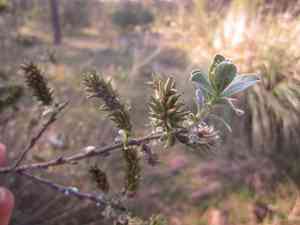
Creeping willow offers appealing aesthetics with its lush green foliage and attractive growth habit. It can serve as a beautiful ground cover, adding a rich, carpet-like appearance to garden spaces. This makes it an excellent choice for decorative use in both residential and commercial landscaping. The plantâs ability to spread horizontally also creates a visually pleasing, dense mat that can quickly fill empty areas.
Low Maintenance Requirements
For those who prefer easy-care gardening, Creeping willow is an ideal option. Once established, it needs minimal attention. Occasional trimming may be required to maintain its shape and encourage new growth, but overall, this plant demands very little in terms of water and nutrients. Its resistance to pests and diseases further reduces the need for chemical treatments, making it an eco-friendly choice for green enthusiasts.
Environmental Benefits of Creeping willow
Habitat for Wildlife
Another significant benefit of Creeping willow is its capacity to support local wildlife. The dense foliage provides excellent refuge for small mammals, birds, and insects, fostering biodiversity in the area. Additionally, it serves as a food source for some wildlife species, enhancing the ecological value of the garden or restoration site where it is planted.
Carbon Sequestration
Creeping willow also contributes to carbon sequestration, which is the process of capturing and storing atmospheric carbon dioxide. By absorbing CO2 through photosynthesis, this plant helps lessen the impact of climate change. Itâs an eco-friendly choice that not only beautifies the landscape but also aids in reducing the carbon footprint of the area.
How to Cultivate and Care for Creeping willow
Planting Guidelines
To plant Creeping willow, select a spot with full sun to partial shade. Prepare the soil by ensuring it drains well, though the plant can tolerate wetter conditions if needed. Dig a hole twice the width of the root ball and place the plant at the same depth it was growing in its nursery container. Backfill with soil and water thoroughly to help settle the roots. Mulching around the base can help retain moisture and suppress weeds.
Watering and Fertilization
Water the plant regularly during its initial establishment phase, which typically lasts a few months. Once established, Creeping willow is relatively drought-tolerant and will only require additional watering during extended dry periods. Fertilization is generally not necessary, but you can apply a balanced, slow-release fertilizer in the spring to promote vigorous growth.



