How to Transplant Red Willow?
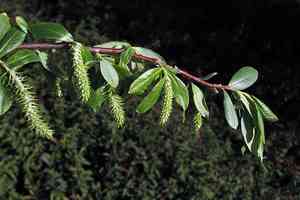
Relocate red Willow preferably during the mild temperatures of late spring through mid-summer, or amidst the revitalizing coolness of late autumn to mid-winter, to foster root development. Select a bright spot with adequately draining earth for this resilient perennial, guaranteeing its prosperity post-transplant.
What Preparations are Needed Before Transplanting Red Willow?
What is the Ideal Time for Transplanting Red Willow?
For red Willow, the optimal periods for relocation span from the onset of mild warmth to the peak of summer bloom, and from the gentle decline of autumn to the stillness of winter dormancy. This timing enables red Willow to establish its root system with minimal strain, benefiting from moderate temperatures and sufficient moisture, thereby ensuring a strong foundation for vigorous development.
How Much Space Should You Leave Between Red Willow Plants?
When relocating your red Willow, ensure ample room for their development. A separation of 15-20 feet (4.5-6 meters) between each plant will guarantee sufficient space for them to flourish without becoming overcrowded.
What is the Best Soil Mix for Red Willow Transplanting?
Prepare an optimal bed for your red Willow by selecting soil that drains effectively. Enhance it with a balanced, slow-release fertilizer to provide the plants with an excellent start. Aim for a mixture abundant in organic matter to nourish the roots of your red Willow.
Where Should You Relocate Your Red Willow?
Choosing a sunny location for your red Willow is crucial. They thrive in full sunlight, so select a spot where they can receive at least 6 hours of direct sun exposure daily. This will help your red Willow prosper and achieve its full potential.
What Equipments Should You Prepare Before Transplantation Red Willow?
Shovel or Spade
For digging around and beneath the plant's root ball.
Gardening Gloves
To safeguard your hands while handling soil and plants.
Watering Can or Hose
To hydrate the plant before and after its removal from the original spot.
Pruning Shears
To trim any damaged roots or branches if required.
Wheelbarrow or Tarp
To move the plant from one place to another without causing harm.
Staking Materials
To provide support for red Willow if it needs staking post-transplant.
How Do You Remove Red Willow from the Soil?
How Do You Remove Red Willow from the Soil?
From Ground: First, moisten the soil around the red Willow plant. Then, excavate a wide trench around the plant using a shovel or spade, ensuring the root ball remains intact. Carefully work the spade beneath the root ball to lift the plant from its initial position.From Pot: Begin by watering the soil in the container before transplanting to facilitate easier removal of the red Willow. Tilt the pot sideways and gently tap or press on the sides to loosen the plant. Carefully slide the plant out, making sure to support the root ball and prevent it from disintegrating.From Seedling Tray: Water the seedling tray to dampen the soil prior to transplanting. Use a spoon or a small trowel to gently extract the red Willow seedlings from their cells, taking care not to harm the delicate roots.
Step-by-Step Guide for Transplanting Red Willow
Prepare New Site
Ensure the new location is ready for red Willow, with a hole twice as wide and the same depth as the root ball.
Root Ball Inspection
Carefully examine the root ball for any indications of disease or damage. Remove any compromised roots with pruning shears.
Placement
Position red Willow in the center of the hole. The top of the root ball should be level with the surrounding ground.
Fill in Soil
Gradually backfill the hole with soil, gently firming it around the root ball to eliminate air pockets without overly compacting the soil.
Watering
Thoroughly water red Willow after planting to settle the soil around the roots and aid in recovery from transplant shock.
Staking
If red Willow shows signs of instability or is in a windy area, use staking materials to support the plant until it becomes established.
How Do You Care For Red Willow After Transplanting?
Watering
Maintain consistent moisture in the soil around red Willow for the initial weeks following transplanting until the plant is well-established.
Mulching
Apply a layer of mulch around the base of red Willow to help retain moisture, regulate soil temperature, and reduce weed competition.
Monitoring
Regularly inspect red Willow for signs of stress, such as wilting leaves, and adjust care routines as necessary.
Pruning
Trim any broken or damaged branches to encourage healthy growth and a better plant shape.
Staking Check
If staking was required, periodically verify that ties and stakes are secure but not too tight to harm red Willow or impede growth.
Troubleshooting Common Issues with Red Willow Transplantation.
What's the ideal timing for transplanting red Willow?
The best times are from late spring into midsummer or from late autumn until midwinter, when growth is inactive.
How much space does red Willow need when transplanting?
Allow 15-20 feet (4.5-6 meters) between red Willow to provide them with ample room to grow and spread.
Why is my red Willow wilting after transplant?
Wilting may indicate water stress. Ensure the soil is consistently moist but not waterlogged.
What kind of soil is best for transplanting red Willow?
A well-draining, loamy soil rich in organic matter is optimal. Avoid heavy clay or sandy soils.
How deep should I plant red Willow during transplanting?
The root ball should be level with the surrounding soil. Planting too deep may lead to stem rot.
Can I transplant red Willow during a hot day?
It's preferable to transplant on a cloudy day or in the evening to minimize transplanting stress.
Should I prune red Willow during transplanting?
Pruning is not essential unless to remove damaged branches; prioritize root establishment instead.
How do I water red Willow after transplanting?
Water thoroughly after transplanting and keep the soil consistently moist, especially during the first growing season.
Is adding fertilizer necessary when transplanting red Willow?
Avoid fertilizer immediately after transplanting to prevent root burn. Wait until the plant is established.
How can I tell if red Willow is properly settled after transplant?
Look for new growth and the absence of wilting. Healthy roots are an indicator of successful establishment.



