Enhancing Your Garden Design with the Red Willow Plant: A Landscaping Guide
1
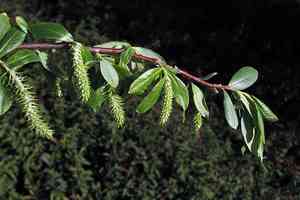
Red Willow provides a distinct visual charm with its characteristic traits, making it a favored option for contemporary and classic garden layouts.
2
Place Red Willow in spots receiving ample sunlight and having good soil drainage for optimal development and aesthetic effect.
3
Consistent upkeep and seasonal attention are vital to maintain Red Willow's health and attractive appearance in your outdoor space.
Introducing Red Willow in Garden Design
An overview of Red Willow's unique characteristics and visual charm.
If you're aiming for a scenic and peaceful outdoor space, Red Willow could be an ideal choice. With its eye-catching, reddish bark and delicate foliage, Red Willow brings a touch of natural grace to any garden. The distinct texture and hue of its bark make it a prominent feature, offering year-round interest even after leaf drop. Furthermore, its elegant shape and spreading branches provide a sense of movement and fluidity, enhancing your outdoor area's overall look.
Red Willow's widespread use in contemporary and classic garden styles.
Over time, Red Willow has gained favor among landscape designers and gardening enthusiasts alike. Its adaptability allows it to seamlessly integrate into various garden aesthetics, from sleek, minimalist designs to lush, traditional settings. Whether you're aiming for a modern garden with clean lines or a more timeless environment filled with diverse plantings, Red Willow fits perfectly, bridging contemporary and classic styles. Its broad appeal speaks to its versatility and lasting beauty.
Optimal Placement for Red Willow's Visual Impact
Prime spots within a garden for planting Red Willow.
When deciding where to place Red Willow in your yard, consider areas where it can be easily seen and admired. A central position in your garden or a high-traffic zone can emphasize its aesthetic appeal. Moreover, planting it near water features or along pathways can amplify its natural charm. For larger spaces, using Red Willow as a solitary focal point can draw the eye and provide balance and structure to your garden's layout.
Evaluating light exposure and soil conditions suitable for Red Willow.
To ensure Red Willow flourishes, it's essential to plant it in locations that provide ideal sunlight and soil conditions. Red Willow prefers full sun to partial shade, meaning it should receive at least six hours of direct sunlight daily. Regarding soil, well-drained soil with a slightly acidic pH is best for its growth. Avoid waterlogged areas, as excessive moisture can lead to root rot and other problems. Amending the soil with organic compost before planting can also supply vital nutrients and improve drainage.
Creative Design Concepts Featuring Red Willow
Utilizing Red Willow as a central element in landscape planning.
One of the most effective ways to incorporate Red Willow into your landscape is by using it as a focal point. Its distinctive appearance naturally attracts attention, making it an excellent centerpiece for your garden. Position it at the end of a view, in the middle of a lawn, or at the center of a circular planting bed to create a striking visual impression. Surrounding it with shorter plants can further highlight its height and form, creating a balanced and harmonious design.
Companion plants and decorative elements to pair with Red Willow.
To create a unified and visually pleasing landscape, pairing Red Willow with complementary plants and design elements is crucial. Consider planting it alongside perennials like lavender or ornamental grasses to provide contrast and enhance its natural beauty. Adding elements such as stones, water features, or even a nearby bench can create a peaceful spot perfect for relaxation and enjoying the view. Using mulch around the base of Red Willow not only helps retain moisture but also accentuates its striking bark.
Maintaining Red Willow's Beauty in Your Garden
Essential tips for keeping Red Willow healthy and attractive.
Maintaining the health and visual appeal of Red Willow is relatively simple with a few basic care guidelines. Consistent watering, especially during dry spells, is crucial for keeping the tree hydrated. Pruning any dead or damaged branches encourages healthy growth and preserves its attractive shape. Additionally, applying a slow-release fertilizer in the spring can provide the necessary nutrients for vibrant growth. Mulching around the base helps retain soil moisture and suppresses weeds.
Seasonal care considerations for Red Willow (brief overview, not detailed).
Seasonal care is vital for Red Willow's year-round beauty. In spring, focus on pruning and fertilizing to stimulate new growth. Summer requires regular watering, particularly in hot and dry conditions. Fall is the ideal time to apply mulch and protect the roots from cold temperatures. Finally, during winter, ensure Red Willow is shielded from harsh winds and heavy snow to prevent damage. Following these seasonal steps will help you maintain a thriving and beautiful Red Willow in your landscape.



