The Red Willow Plant Advantage: Maximizing Home and Office Appeal and Wellness
1
Red Willow is recognized for its rapid development and ability to thrive in diverse soil conditions.
2
This species plays a crucial role in mitigating soil degradation.
3
It contributes substantial environmental benefits by offering shelter to indigenous fauna.
What Are the Environmental Advantages of Red Willow?
Soil Erosion Prevention
A key benefit of Red Willow is its role in soil stabilization. The plant's strong root system helps secure soil, especially useful in areas prone to erosion. Its roots form a natural barrier, preventing soil displacement by water and wind. This makes Red Willow vital for maintaining the integrity of riverbanks and slopes.
Support for Local Wildlife
Red Willow is crucial for supporting local animal life. It offers refuge and nesting spots for various bird species and small creatures. Furthermore, the plant attracts beneficial insects, fostering a balanced ecosystem. Its presence can boost biodiversity, making it ideal for ecological restoration projects.
Why is Red Willow a Preferred Choice in Landscaping?
Aesthetic Appeal
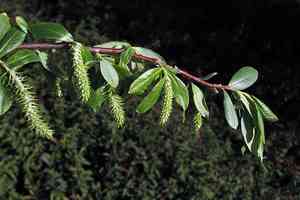
Red Willow boasts undeniable visual charm with its slender, flexible branches and vibrant red color. It adds a pop of color to gardens and parks, particularly during winter when many other plants lose their leaves. Its distinctive look makes it a popular option for decorative gardening.
Versatility and Low Maintenance
Beyond its beauty, Red Willow is favored for its adaptability and minimal care requirements. It thrives in diverse soil types and conditions, making it suitable for various landscapes. Additionally, it needs little pruning and upkeep, making it an appealing choice for both amateur and professional gardeners.
How Does Red Willow Aid in Conservation Efforts?
Restoration of Degraded Lands
Red Willow has been instrumental in rehabilitating damaged land. Its robust nature allows it to grow in poor soil where other plants might struggle. By planting Red Willow, conservationists can begin restoring degraded areas, improving soil health and creating a more welcoming environment for other plant species.
Water Quality Improvement
The root system of Red Willow plays a significant part in filtering pollutants from soil and water. As water moves through the root network, contaminants are trapped and broken down, leading to enhanced water quality. This makes Red Willow an excellent choice for riparian buffer zones, where it helps purify and maintain healthy waterways.
What Are the Cultural and Historical Significance of Red Willow?
Traditional Uses
Historically, Red Willow has been utilized by various indigenous cultures for its practical applications. It has been used in crafting baskets, creating traditional medicines, and even constructing temporary shelters. The plantâs flexibility, durability, and availability have made it a valuable resource for communities throughout history.
Symbolism and Folklore
In many cultures, Red Willow is more than just a practical plant; it holds symbolic meanings. Often linked with resilience and adaptability, Red Willow features prominently in local folklore and traditions. Its ability to thrive in challenging conditions is seen as an emblem of perseverance and strength.



