How to Prune Red Willow?
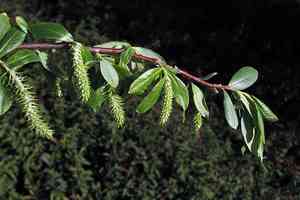
This woody plant, which sheds its leaves annually, is recognized for its sleek, reddish bark and extended foliage. For red Willow, trim to sculpt and eliminate impaired or ailing branches in late winter or early spring prior to the emergence of new shoots. Reducing the density of aged or congested stems enhances air movement, which is crucial for red Willow's well-being. This procedure stimulates new development, preserves the plant's appealing silhouette, and can avert fungal ailments. Consistent trimming also fosters a more sound, sturdy framework, boosting its decorative value.
What Are the Benefits of Pruning Red Willow?
What Are the Benefits of Pruning Red Willow?
Trimming red Willow promotes robust development by eliminating dead or unhealthy limbs, enhancing air circulation and light penetration. It aids in preserving the desired form, fostering a more attractive look.
What Is the Best Time for Pruning Red Willow?
What Is the Best Time for Pruning Red Willow?
During late winter, red Willow is dormant, which lessens plant stress and reduces sap loss that can attract pests. This timing also prevents potential disease spread during wetter periods. Early spring pruning is ideal as it avoids the coldest weather that could harm fresh cuts, and it allows red Willow to heal quickly and direct energy to new growth, ensuring a strong start to the growing season. This timing also avoids interfering with the early summer growth spurt and potential flowering or fruiting times.
What Tools Do I Need to Prune Red Willow?
Bypass Pruners
Perfect for making clean cuts on smaller branches and twigs of red Willow up to ¾ inch in diameter. Bypass pruners are preferred for their clean cuts that aid healing.
Loppers
These are suitable for cutting branches between ¾ inch and 1½ inches in diameter. Loppers have longer handles, providing leverage for easier pruning of red Willow's thicker branches.
Pruning Saw
A pruning saw can manage larger branches of red Willow exceeding 1½ inches in diameter. The saw allows for precise cuts on bigger limbs, preventing unnecessary plant damage.
Pole Pruner
Given the height red Willow can reach, a pole pruner might be necessary for trimming higher branches without a ladder. A pole pruner typically combines a lopper and saw on an extendable pole.
Hedge Shears
For shaping red Willow when used as a hedge, hedge shears can be employed to trim and sculpt the foliage to maintain a desired aesthetic.
How to Prune Red Willow
Identify
Examine red Willow to locate dead or diseased branches. These are identifiable by their dry, brittle texture and discoloration compared to healthy wood.
Sanitize
Clean pruning tools with disinfectant to prevent disease transmission. Use sharp, clean tools for precise cuts that will heal rapidly.
Cut Diseased Branches
Carefully remove diseased branches by cutting them back to the base or to a healthy side branch. Avoid leaving stubs, which can encourage decay.
Cut Dead Branches
Trim dead branches back to their point of origin on the main stem, ensuring a clean cut that doesn't harm the collarâthe area where the branch joins the stem.
Dispose
Safely discard diseased and dead wood away from red Willow, as the material may harbor pathogens or pests. Clean tools again after use.
Common Pruning Mistakes with Red Willow
Over-Pruning
Removing too much foliage from red Willow at once can stress the plant, leading to weak growth or making it susceptible to disease.
Pruning Branches Unevenly
Cutting branches to varying lengths without considering the plantâs natural shape can result in an unbalanced appearance and impact the overall health of red Willow.
Cutting Too Close To The Trunk
Making cuts too near the trunk can damage the branch collar, potentially leading to decay and entry points for pests and diseases in red Willow.
Leaving Stubs
Pruning branches and leaving stubs can hinder proper healing and make red Willow vulnerable to pests and rot.
Tearing Bark
Improper cutting techniques can cause bark tearing, which can damage the cambium layer and impede the healing process in red Willow.
Using Dirty Tools
Pruning with unclean tools can introduce pathogens to the cuts, leading to infections in red Willow.
Ignoring Dead Or Diseased Branches
Failure to remove dead, diseased, or damaged branches can impede healthy growth and may worsen infection or pest issues in red Willow.
Common Pruning Tips for Red Willow
Clean Cuts
Use sharp and clean pruning tools to make precise cuts that will heal quickly, minimizing stress and the risk of disease in red Willow.
Angled Cuts
Make cuts at a 45-degree angle away from the bud to encourage proper water runoff and reduce the risk of disease in red Willow.
Branch Collar
When removing larger limbs, cut just outside the branch collar to encourage proper healing and prevent damage to the main trunk of red Willow.
Thin Out For Sunlight
Thin out dense areas to allow light to reach inner leaves and branches of red Willow, which promotes even growth and prevents disease.
Crossing Branches
Remove crossing branches that rub against each other to prevent wounds that can serve as entry points for pests and diseases in red Willow.
Priority To Dead Wood
Always prioritize the removal of dead, damaged, or diseased wood to maintain the health and appearance of red Willow.
Proper Tool Selection
Select the appropriate tool for the size of the branch to ensure a clean cut and to avoid damage to red Willow.
Judicious Thinning
Thinning should be done judiciously to maintain the structural integrity and aesthetic form of red Willow, avoiding over-thinning which can weaken the plant.



