How to Transplant Narrowleaf willow?
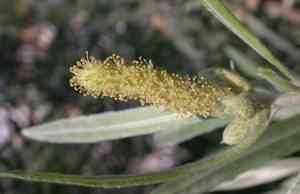
Springtime invigorates your narrowleaf willow, providing ideal circumstances for development. Position it where it receives abundant light and in soil that drains effectively. Should a new branch require additional room, carefully guide it to a more suitable location.
What Preparations are Needed Before Transplanting Narrowleaf Willow?
What is the Ideal Time for Transplanting Narrowleaf Willow?
The optimal period for relocating narrowleaf willow is during the spring season, a time when moderate temperatures and increasing daylight promote strong root development. This is particularly wise as narrowleaf willow thrives best when given the full advantage of a growing season to adapt and expand its root system. Transplanting narrowleaf willow in this season allows natural rainfall to assist with watering, which eases the transition and supports new growth. By adopting this approach, you are providing narrowleaf willow the best opportunity to flourish in its new location with the warmth and revitalization that springtime offers, which in turn can lead to a healthier and more robust plant.
How Much Space Should You Leave Between Narrowleaf Willow Plants?
When preparing planting sites for narrowleaf willow, ensure a spacing of approximately 5-10 feet (1.5-3 meters) between each plant. This provides ample room for each specimen to grow and thrive successfully. Remember to measure accurately!
What is the Best Soil Mix for Narrowleaf Willow Transplanting?
Prior to planting your narrowleaf willow, prepare the soil using a mixture of loamy or sandy soil, combined with a slow-release granular fertilizer. This blend will establish a robust, nutrient-rich foundation for your new plants.
Where Should You Relocate Your Narrowleaf Willow?
Select a location for your narrowleaf willow that receives full sun or partial shade. They prefer sunlight but can also adapt to some shade, making them quite versatile. Observe the light conditions throughout the day to identify the perfect spot!
What Equipments Should You Prepare Before Transplantation Narrowleaf Willow?
Gardening Gloves
To safeguard your hands while handling soil and narrowleaf willow.
Spade/Shovel
For excavating the planting hole and extracting the narrowleaf willow from its original position.
Trowel
To precisely adjust the soil and hole.
Pruning Shears
To trim any unnecessary or damaged branches.
Watering Can/Hose
To hydrate the plant during and after transplantation.
Compost
To supply essential nutrients to the plant. Be mindful of the quantity, as excessive amounts can cause root burn.
Mulch
To help retain moisture post-transplanting.
How Do You Remove Narrowleaf Willow from the Soil?
How Do You Remove Narrowleaf Willow from the Soil?
From Ground: For narrowleaf willow cultivated directly in the ground, water thoroughly 24 hours before removal to soften the soil and keep roots as intact as possible. Dig a wide circle around the plant using a spade or shovel, being careful not to sever the roots. Gently lift the plant with its root ball undisturbed. Proceed carefully and slowly to prevent any damage. Encase the root ball in a damp burlap sack for easy transport.From Pot: For potted narrowleaf willow, water the plant well before beginning. Incline the pot sideways, then gently tap its sides and bottom. Depending on its size, you might need to use your fingers to loosen the soil and slide out the plant along with its root ball. Ensure you support the plant from its base.From Seedling Tray: If your narrowleaf willow is in a seedling tray, ensure it is adequately watered. Using a small trowel or your fingers, carefully extract the seedling from the tray, making sure to retrieve the entire root system.
Step-by-Step Guide for Transplanting Narrowleaf Willow
Prepare The Hole
Excavate a hole twice the width of the root ball and equally deep. A wide hole provides ample space for roots to spread and grow.
Place narrowleaf willow In The Hole
Position narrowleaf willow in the center of the hole. The top of the root ball should be level with the ground surface or slightly elevated.
Backfill The Hole
Refill the hole with soil mixed with a small amount of compost. Gently but firmly compact the soil to eliminate air pockets.
Prune The Plant
If necessary, trim the plant to remove any damaged or diseased branches. This will also encourage denser growth.
Water narrowleaf willow
After transplanting, water narrowleaf willow deeply. Ensure the water reaches the root zone to encourage roots to extend into the surrounding soil.
Mulch Around The Plant
Apply a layer of mulch around the narrowleaf willow to help conserve moisture and suppress weeds.
How Do You Care For Narrowleaf Willow After Transplanting?
Consistent Watering
For the initial weeks following transplantation, water narrowleaf willow regularly. The top layer of soil should feel moist, but ensure proper drainage between watering sessions.
Periodic Pruning
Maintain the form of narrowleaf willow through regular pruning. Remove any diseased or dead branches.
Monitor Plant Health
Regularly inspect narrowleaf willow for indications of stress, such as wilting or yellowing foliage. If these signs appear, re-evaluate your care regimen.
Be Patient and Observant
The plant's adaptation to its new environment may be a gradual process. Continue to care for narrowleaf willow, exercise patience, and observe its development.
Troubleshooting Common Issues with Narrowleaf Willow Transplantation.
When is the best time to transplant narrowleaf willow?
The optimal period to transplant narrowleaf willow is during seasons S1-S3. These times offer ideal conditions for the plant's roots to establish.
What is the recommended spacing when planting narrowleaf willow?
To allow sufficient room for growth, narrowleaf willow should be planted approximately 5-10 feet (1.5-3 meters) apart. This provides each plant ample space to flourish.
How deeply should narrowleaf willow be transplanted?
When transplanting narrowleaf willow, ensure the new hole is deep enough to cover all of its roots. If too shallow, the roots may dry out.
What type of soil is best when transplanting narrowleaf willow?
Narrowleaf willow thrives in well-drained soil rich in organic matter. Amend the soil if necessary before transplanting to enhance its fertility and structure.
How often should I water narrowleaf willow after transplanting?
Water narrowleaf willow consistently after transplanting, particularly during the first two weeks. This aids root adjustment and maintains plant hydration.
Do I need to prune narrowleaf willow before transplanting?
Yes, trimming back the plant's branches prior to transplanting can help narrowleaf willow direct energy towards root development, promoting quicker adaptation.
Why are the leaves on my transplanted narrowleaf willow turning yellow?
Yellow leaves may indicate overwatering, nutrient deficiency, or transplant shock. Monitor watering, and consider applying a mild, slow-release fertilizer.
What should I do if narrowleaf willow wilts after transplanting?
Minor wilting is common post-transplanting. Keep the soil consistently moist and ensure narrowleaf willow receives appropriate light exposure. Recovery should occur over time.
Why isn't my transplanted narrowleaf willow growing?
Growth temporarily slows after transplanting as the plant focuses on root establishment. Proper care will lead to resumed growth; patience is essential.
Do I need to add fertilizers after transplanting?
While not mandatory, you may apply a mild, slow-release fertilizer after transplanting narrowleaf willow. This can boost nutrient levels, supporting healthier growth.



