How to Overwinter Narrowleaf willow
1
Narrowleaf willow is resilient to cold, indicating its ability to withstand low temperatures effectively.
2
Consistent application of mulch around the plant's base aids in shielding roots from harsh freezes.
3
Trimming prior to winter helps the plant retain a robust form and reduces harm from frost.
Understanding Narrowleaf willow Frost Hardiness
Understanding Narrowleaf willow Frost Hardiness
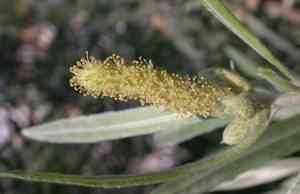
The Narrowleaf willow (Salix exigua) is recognized for its capacity to endure low temperatures, classifying it as a frost-tolerant species. Originating from North America, this deciduous shrub or small tree flourishes in diverse settings, from wetlands to river and stream banks. Its adaptation to cold climates means it handles winter conditions better than many other plants. Nevertheless, proper preparation and care are vital to ensure the plant stays healthy and strong throughout the colder months.
Preparing Your Narrowleaf willow for Winter
Ensuring Proper Soil Conditions
To ready your Narrowleaf willow for winter, begin by confirming optimal soil conditions. This willow prefers well-drained soil; if you observe water pooling around the roots, consider enhancing drainage by incorporating compost or organic matter. Adequate drainage prevents root rot and other problems intensified by cold weather. The ideal soil pH for Narrowleaf willow ranges from slightly acidic to neutral (6.0 to 7.0).
Pruning Techniques for Winter Preparation
Pruning is a critical step in getting your Narrowleaf willow ready for winter. Start by removing any dead or diseased branches. This not only boosts the plant's overall health but also lowers the chance of further damage during winter storms. Trim back any excessively long branches to lessen the likelihood of breakage under heavy snow. Aim to prune your willow in late fall before the first significant frost arrives.
Watering Requirements Before Winter
Although Narrowleaf willow typically thrives in moist conditions, it's crucial to adjust watering practices as winter approaches. Gradually reduce watering in the fall to help the plant adapt to colder weather. However, ensure the soil remains sufficiently moist to prevent drought stress, as dry winter winds can dehydrate the plant. About one deep watering session per week (20 liters or 5 gallons) should be adequate, decreasing as temperatures drop.
Mulching to Protect Roots
Mulching is an effective method to safeguard the roots of your Narrowleaf willow from harsh winter conditions. Apply a 5-10 cm (2-4 inches) thick layer of organic mulch (such as wood chips or straw) around the plant's base. This helps to insulate the roots and maintain soil moisture. Ensure the mulch does not directly touch the trunk to prevent potential rot.
Identifying and Managing Winter Damage in Narrowleaf willow
Signs of Winter Damage
Winter damage in Narrowleaf willow can appear in several forms. Look for indicators such as cracked or split bark, which can result from freezing and thawing cycles. You might also notice blackened or dried leaves and branches that failed to regrow in spring. Any of these symptoms suggest the plant has suffered from winter stress and may need intervention.
Steps to Revitalize Frost-Damaged Narrowleaf willow
If your Narrowleaf willow has suffered frost damage, you can take steps to aid its recovery. Begin by removing any damaged or dead branches to encourage new growth. Apply a balanced, slow-release fertilizer in early spring to supply essential nutrients for recuperation. Proper watering during the growing season is vital, ensuring the soil stays consistently moist but not waterlogged. Finally, continue to monitor the plant and address any signs of ongoing distress promptly.
Common Pests and Diseases in Winter and How to Handle Them
Identifying Common Winter Pests
Even in winter, pests can pose a threat to your Narrowleaf willow. Common pests include bark beetles and willow borers, which tunnel into the wood and disrupt the plant's structural integrity. Watch for signs of infestation, such as small holes in the bark or sawdust-like residue. Mites and scale insects may also persist through winter, feeding on sap and weakening the plant.
Preventative Measures for Winter Diseases
Preventative actions are crucial in managing winter diseases in Narrowleaf willow. Ensuring adequate air circulation through pruning helps lower the risk of fungal infections like cankers or blight. Applying a dormant oil spray in late fall can help eliminate overwintering insect pests. Additionally, maintaining good sanitation practices by removing fallen leaves and debris minimizes disease risk.
Treating Infested Narrowleaf willow
Treating an infested Narrowleaf willow demands swift action. For insect infestations, consider using horticultural oil or insecticidal soap sprays to eradicate pests. For fungal issues, fungicides might be necessary; consult with a local extension service for recommendations suitable for your specific area. Continuing to monitor the plant and taking early action minimizes long-term damage and helps keep your willow healthy.



