Enhancing Your Garden Design with the Narrowleaf willow Plant: A Landscaping Guide
1
Cultivating Narrowleaf willow offers continuous aesthetic charm and boosts your garden's ecological variety.
2
Narrowleaf willow flourishes in damp ground and can be incorporated into diverse garden designs with ease.
3
Appropriate care guarantees Narrowleaf willow stays vibrant and attractive all year long.
Introducing Narrowleaf Willow to Your Landscape
Overview of Narrowleaf willow and its landscaping importance
Integrating Narrowleaf willow into your outdoor space offers numerous advantages. Renowned for its adaptability and hardiness, Narrowleaf willow is an excellent choice for gardens seeking both visual appeal and ecological benefits. Its slender leaves provide a distinct texture, setting it apart and making it a superb garden addition. Utilizing Narrowleaf willow can also aid in soil stabilization, a vital aspect for ensuring your landscape's longevity and vitality.
Brief discussion on Narrowleaf willow's visual charm
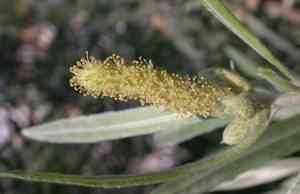
A key characteristic of Narrowleaf willow is its aesthetic allure. Its delicate, graceful leaves create a light and airy feel, making it an appealing option for borders and water features. Whether designing a rustic or modern landscape, Narrowleaf willow offers a subtle beauty that enhances the overall visual impact. Its silvery-green foliage imparts a serene quality to the garden, ensuring your landscape remains a peaceful sanctuary.
Optimal Placement of Narrowleaf Willow in Landscape Design
Assessing site conditions suitable for Narrowleaf willow
Narrowleaf willow thrives in damp, well-drained soil and prefers sunny to partly shaded spots. It is particularly well-suited for areas near water sources like streams, ponds, or lakes. Furthermore, Narrowleaf willow can tolerate various soil types, making it a versatile option for diverse garden environments. By evaluating your landscape's specific conditions, you can determine the most strategic placement for Narrowleaf willow to ensure its healthy development and maximum visual effect.
Strategies for incorporating Narrowleaf willow into various garden styles
Integrating Narrowleaf willow into your landscape can be achieved through several imaginative methods. For a naturalistic garden, planting Narrowleaf willow along water feature edges or within a rain garden can amplify its connection to nature. In more formal settings, consider using Narrowleaf willow as a background plant to provide structure while softening edges with its fine foliage. Pairing Narrowleaf willow with bold, colorful perennials can create a dynamic contrast that boosts your garden's visual interest.
Companion Planting with Narrowleaf Willow
Selecting compatible plants that complement Narrowleaf willow
When choosing companion plants for Narrowleaf willow, seek species that flourish in similar conditions and enhance its visual appeal. Plants like sedges, ornamental grasses, and moisture-loving perennials are excellent choices. These companions not only share Narrowleaf willow's preference for moist soils but also complement its texture and color. For instance, planting Narrowleaf willow alongside brightly flowering plants can create a striking contrast, making each plant's unique characteristics stand out beautifully.
Tips for creating vibrant plant groupings with Narrowleaf willow
Crafting visually appealing plant groupings with Narrowleaf willow involves blending different plant heights, textures, and colors. Position Narrowleaf willow at the middle or rear of groupings to provide an elegant backdrop for shorter, vibrant plants. Experimenting with seasonal plants that bloom at various times can ensure your garden remains lively and engaging throughout the year. Additionally, incorporating evergreens can maintain structure and interest in the garden during colder months.
Seasonal Considerations for Narrowleaf Willow
Understanding Narrowleaf willow's seasonal behavior
Narrowleaf willow exhibits seasonal changes that are vital to consider in your landscape design. In spring and summer, its lush foliage is fully displayed, creating a verdant environment. During autumn, Narrowleaf willow's leaves may turn yellow, adding seasonal color to the garden. Understanding these changes allows you to plan companion plantings that complement each seasonal shift, ensuring your landscape remains visually appealing all year.
Adjusting landscape practices for optimal year-round impact
To maintain the year-round beauty of Narrowleaf willow in your garden, adapt your landscape practices according to its seasonal requirements. In autumn, ensure the soil remains moist to prepare Narrowleaf willow for winter. During winter, minimal upkeep is needed, but it's beneficial to check for any signs of frost or snow damage. As spring approaches, consider adding mulch to retain soil moisture and suppress weeds. These seasonal practices will help Narrowleaf willow thrive throughout the year.
Maintaining the Aesthetic of Narrowleaf Willow
Basic guidelines to maintain Narrowleaf willow's health and beauty
Maintaining Narrowleaf willow's health and aesthetic appeal requires consistent care and attention. Watering is crucial, especially during dry spells, to ensure the soil stays moist. Pruning is also essential to remove any dead or damaged branches, which helps preserve the plant's natural form and encourages new growth. Regularly checking for pests and diseases allows you to address issues promptly, ensuring Narrowleaf willow remains vibrant and healthy.
Practical tips for long-term care (without detailed specifics)
Long-term care for Narrowleaf willow includes a range of simple yet effective practices. Mulching around the plant's base helps retain moisture and inhibits weed growth. Applying a balanced fertilizer in early spring can promote vigorous growth and vibrant foliage. Additionally, monitoring the plant's spacing helps prevent overcrowding, ensuring each plant receives adequate air circulation and sunlight. By following these practical tips, you can enjoy Narrowleaf willow's beauty in your landscape for many years.



