How to Prune Narrowleaf willow?
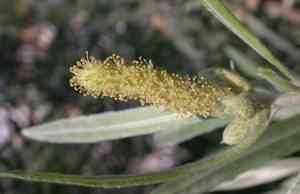
This shedding shrub stands out due to its elongated, thin foliage and its affinity for damp environments. Regarding narrowleaf willow, effective pruning techniques entail removing aged branches and trimming back the prior year's development to foster a denser shape. The ideal periods for this type of pruning are from late winter to early spring, prior to the appearance of new leaves. This schedule minimizes sap leakage and facilitates robust spring development. Trimming narrowleaf willow can additionally lessen the risk of disease and encourage more vibrant foliage.
What Are the Benefits of Pruning Narrowleaf Willow?
What Are the Benefits of Pruning Narrowleaf Willow?
Trimming narrowleaf willow can encourage strong new development, ensuring a sturdy and thriving plant. Regular shaping helps maintain its desired form, preventing excessive growth and fostering an appealing look.
What Is the Best Time for Pruning Narrowleaf Willow?
What Is the Best Time for Pruning Narrowleaf Willow?
Pruning narrowleaf willow in late winter and early spring, prior to the start of new growth, allows the plant to recover swiftly and direct energy into producing fresh shoots. This timing minimizes stress and lowers the risk of disease or pests exploiting pruning wounds. Additionally, it prevents the removal of new flowers or fruits that develop in the growing season, ensuring narrowleaf willow can set seed and reproduce efficiently. Pruning during dormancy contributes to a more robust and healthier plant structure for the upcoming year.
What Tools Do I Need to Prune Narrowleaf Willow?
Bypass Pruners
Perfect for making precise cuts on narrowleaf willow younger and live stems, up to 1/2 inch in diameter. These pruners create clean, healthy cuts aiding rapid healing.
Loppers
Ideal for reaching into narrowleaf willow's denser foliage and cutting through branches between 1/2 inch and 1 1/2 inches thick. They offer leverage for clean cuts without damaging the plant.
Pruning Saw
Necessary for removing narrowleaf willow's older, thicker branches, over 1 1/2 inches in diameter. A saw enables cutting without tearing the bark or causing undue stress to the plant.
Handheld Hedge Shears
Useful for shaping narrowleaf willow when trimming numerous small, thin stems simultaneously. Provides a uniform size and shape to the plant's overall form.
Pole Pruner
Allows for pruning hard-to-reach branches of narrowleaf willow without using a ladder. This tool is especially helpful for tall specimens of narrowleaf willow.
Gloves and Safety Gear
Protects hands and eyes during the pruning process of narrowleaf willow, as the task can be hazardous with sharp tools and falling branches.
How to Prune Narrowleaf Willow
Sanitize Tools
Before pruning narrowleaf willow, sanitize all cutting tools to prevent the spread of disease. Use a solution of 1 part bleach to 9 parts water, or use rubbing alcohol to disinfect blades before making any cuts.
Remove Dead Wood
Identify and cut away dead wood from narrowleaf willow. This includes any branches or twigs that are discolored, brittle, or have no leaves. Make cuts at a 45-degree angle, close to the branch collar, without damaging living tissue.
Cut Diseased Limbs
Inspect narrowleaf willow for signs of disease, such as unusual coloration, growths, or oozing. Carefully remove any diseased limbs by cutting them well below the affected area, to ensure all the diseased tissue is removed.
Trim Damaged Branches
Check for branches on narrowleaf willow that are damaged due to weather or physical impact. Trim these branches to a healthy section using clean cuts to encourage healing and prevent further damage.
Thin Out
Thin out dense areas of narrowleaf willow to improve light penetration and air circulation within the canopy. This helps to reduce disease pressure and promote the plant's overall health. Selectively prune excess growth, ensuring the natural shape of the plant is maintained.
Common Pruning Mistakes with Narrowleaf Willow
Over-Pruning
Removing too much foliage from narrowleaf willow can stress the plant, lead to fewer leaves and branches, and potentially harm its natural growth pattern.
Improper Cut Location
Cutting too close to the main stem or too far away from the bud can hinder healing and harm narrowleaf willow's structure.
Using Dull Tools
Pruning with dull blades can result in jagged cuts that are more susceptible to disease and pests, which can damage narrowleaf willow.
Removing The Wrong Branches
Cutting healthy, vital branches instead of targeting old, diseased, or damaged ones can impede the overall health and appearance of narrowleaf willow.
Pruning Without A Plan
Randomly cutting branches without understanding the growth habit of narrowleaf willow can lead to an unbalanced and unsightly shape.
Common Pruning Tips for Narrowleaf Willow
Sharp Tools
Use sharp, clean pruning tools to make clean, angled cuts that heal quickly and minimize potential harm to narrowleaf willow.
Identify Branches
Before pruning, assess and identify which branches are dead, diseased, or crossing to improve the structure and health of narrowleaf willow.
Gradual Pruning
Prune gradually, taking care not to remove more than a third of the total foliage at once, to avoid stressing narrowleaf willow.
Strategic Cuts
Target strategic cuts that promote air circulation and light penetration to the inner canopy, which can improve the overall health and vigor of narrowleaf willow.
Healing Time
Allow enough time for narrowleaf willow to heal after pruning, by making sure that the cuts are clean and placed just above a leaf bud facing the outside of the plant to encourage proper new growth.



