How to Transplant Wild Petunia?
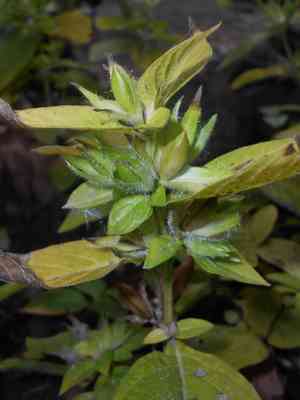
Relocate wild Petunia during the early spring season, allowing for robust root development prior to the summer months. Choose a site that receives abundant sunlight and possesses soil with good drainage. Handle the root system with care to preserve its structure.
What Preparations are Needed Before Transplanting Wild Petunia?
What is the Ideal Time for Transplanting Wild Petunia?
The best period for relocating wild Petunia is after the last frost, typically from early spring until the beginning of summer. This timeframe offers mild weather and suitable soil temperatures, crucial for root development and growth. Moving wild Petunia during this interval ensures a good start in cooler soil, allowing ample time to settle before intense summer heat. This timing also aligns with wild Petunia's natural growth cycle, promoting a smooth transition and healthier progress.
How Much Space Should You Leave Between Wild Petunia Plants?
When preparing a spot for your wild Petunia, ensure you provide approximately 18-24 inches (45-60 cm) between each plant. This gives them ample room to develop and flourish without competing for resources!
What is the Best Soil Mix for Wild Petunia Transplanting?
For your wild Petunia, select well-draining soil rich in organic matter. It's beneficial to incorporate a balanced, slow-release fertilizer to give your plants an excellent start. Aim for a pH level between 6.0 and 7.5.
Where Should You Relocate Your Wild Petunia?
Choose a sunny location for your wild Petunia as they thrive in bright conditions! A spot receiving at least 6 hours of daylight is perfect. If you have partial shade, that will also work, but ensure it's bright partial shade.
What Equipments Should You Prepare Before Transplantation Wild Petunia?
Gardening Gloves
To safeguard your hands while handling soil and plants.
Spade or Shovel
For digging around and lifting the wild Petunia plant when removing it from its original spot.
Gardening Trowel
To assist in excavating the new hole and refining the space for the plant's root system.
Watering Can or Hose
To hydrate the wild Petunia plant before and after the relocation process.
Pruning Shears
To trim any damaged roots or stems if necessary.
Wheelbarrow or Plant Carrier
To move the wild Petunia plant from one place to another without causing harm.
Mulch
To apply around the base of the wild Petunia plant after transplantation for moisture retention and weed suppression.
How Do You Remove Wild Petunia from the Soil?
How Do You Remove Wild Petunia from the Soil?
From Ground: Start by watering the wild Petunia plant to soften the soil, making removal easier and less stressful for the plant. With a spade or shovel, dig a wide trench around the plant, being careful not to harm the root system. Slide the tool beneath the root ball to gently lift the wild Petunia from its current location.From Pot: Water the wild Petunia thoroughly before beginning. Tilt the pot sideways and gently tap the bottom to loosen the root ball. If needed, slide a trowel along the inner edge of the pot to help free the plant. Carefully pull the wild Petunia out by the base of its main stem, supporting the root ball.From Seedling Tray: Moisten the soil for easier extraction. Use a trowel or a small stick to gently lift the seedling by its leaves—never pull on the stem. Ensure you bring as much of the root system with the seedling as possible, keeping the soil around the roots intact.
Step-by-Step Guide for Transplanting Wild Petunia
Digging the New Hole
Use a gardening trowel to excavate a hole at the new site. The hole should be twice as wide as the root ball and the same depth to ensure the wild Petunia is planted at its original growing level.
Preparing the Root Ball
Inspect the roots of the wild Petunia once removed. Trim any broken or damaged roots with pruning shears. If the roots are tightly packed or circling (rootbound), gently separate them to encourage outward growth.
Planting
Position the wild Petunia in the center of the new hole. Begin refilling the hole with soil, tamping it down gently but firmly to eliminate air pockets and ensure good contact between the roots and the soil.
Watering In
Once the wild Petunia is in place, water it thoroughly; this helps settle the soil and hydrates the roots. Ensure the water penetrates deeply to encourage roots to grow downwards.
Adding Mulch
Apply a layer of mulch around the base of the wild Petunia, being careful not to pile it against the stem. Mulch will help retain soil moisture and protect the roots.
How Do You Care For Wild Petunia After Transplanting?
Immediate Watering
Providing sufficient water is essential immediately after transplanting to help the wild Petunia recover from transplant shock and establish itself in the new spot. Water thoroughly after planting and monitor moisture levels for the subsequent weeks, especially in dry conditions.
Checking for Pests
Regularly inspect the wild Petunia for indications of pests or diseases that might exploit the plant's stress. Early detection and treatment can be crucial.
Support Structures
If the wild Petunia shows signs of weakness or cannot stand upright, stake it gently, using soft ties to prevent stem damage.
Observing the Plant
Watch for signs of stress, such as wilting or yellowing leaves, and take appropriate action. It's normal for a plant to exhibit some shock after transplanting, but it should recover with proper care.
Gradual Acclimatization
If there was a significant environmental change, such as light levels, consider shading the wild Petunia for a few days to help it adjust without experiencing leaf scorch.
Pruning
Trim back any excessively long or damaged stems to promote a compact, healthy growth habit. Prune sparingly initially, as the plant needs its leaves for photosynthesis and recovery from the transplant.
Troubleshooting Common Issues with Wild Petunia Transplantation.
When is the best time to transplant wild Petunia for optimal growth?
The ideal transplanting period for wild Petunia is during the cooler weather of early to late spring.
How far apart should I space wild Petunia when transplanting?
Space wild Petunia approximately 18-24 inches (45-60 cm) apart to allow for proper growth and air circulation.
What soil conditions favor wild Petunia after transplanting?
For successful transplantation, wild Petunia prefers well-draining soil enriched with organic matter.
How much should I water wild Petunia after transplanting?
Keep the soil consistently moist for the first few weeks post-transplant to help wild Petunia establish.
Can I transplant wild Petunia during the hot summer months?
Transplanting wild Petunia in cooler spring months is ideal; summer heat can stress the plant, hindering establishment.
Should I fertilize wild Petunia after transplanting?
Wait 4-6 weeks before adding a balanced fertilizer to give wild Petunia time to acclimate.
How deep should the planting hole be for wild Petunia?
The hole should be as deep as the root ball and twice as wide to encourage root growth.
What signs indicate wild Petunia isn't thriving post-transplant?
Wilting, yellowing leaves, or lack of growth may suggest that wild Petunia is struggling after transplant.
How can I protect wild Petunia from transplant shock?
Gradually acclimate wild Petunia to outside conditions and water regularly to reduce transplant shock.
What is the most common pest concern when transplanting wild Petunia?
Keep an eye out for slugs and snails that may be attracted to wild Petunia in damp conditions.



