The Wild Petunia Plant Advantage: Maximizing Home and Office Appeal and Wellness
1
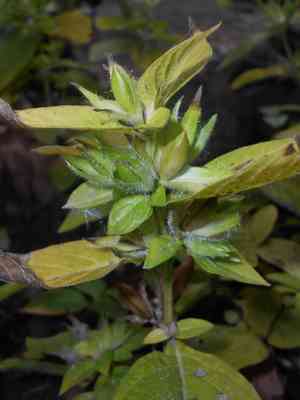
Ruellia simplex is a lovely perennial that flourishes in diverse settings.
2
This species draws helpful pollinators, boosting your garden's ecological variety.
3
It's recognized for its striking blooms and simple care requirements.
Why Wild Petunia is a Must-Have for Your Garden
Appealing Visual Charm
A primary draw for gardeners to Wild Petunia is its lovely, delicate blossoms. Appearing in shades of lavender, violet, and occasionally white, these flowers captivate the eye. They introduce a burst of color to any garden, fostering a tranquil and inviting atmosphere. The plant's abundant foliage also complements its blooms, offering a rich green backdrop that enhances the garden's overall aesthetic.
Minimal Upkeep Requirements
One of Wild Petunia's greatest benefits is its low maintenance needs. This plant flourishes in both full sun and partial shade, making it adaptable to various garden settings. Once established, it tolerates drought, reducing the need for frequent watering. Furthermore, Wild Petunia resists many common garden pests and diseases, ensuring it stays healthy and vibrant with little effort.
How Wild Petunia Benefits the Garden Ecosystem
Attracts Beneficial Pollinators
Wild Petunia is known for drawing in a variety of helpful pollinators, including bees, butterflies, and hummingbirds. These pollinators play a vital role in the garden by aiding the reproduction of flowering plants, which in turn helps maintain a diverse and healthy ecosystem. By cultivating Wild Petunia, gardeners can help promote biodiversity and support local wildlife.
Enhances Soil Quality
Beyond attracting pollinators, Wild Petunia also contributes to improving soil quality. The plant's root system helps stabilize the soil, reducing erosion and promoting the retention of water and nutrients. This makes it an excellent ground cover option, especially in areas prone to soil erosion. By improving soil structure and fertility, Wild Petunia encourages healthier growth for other garden plants.
Can Wild Petunia Be Used in Various Landscaping Designs?
Versatile Landscaping Applications
The adaptability of Wild Petunia makes it suitable for a range of landscaping designs. Whether you're planning a formal garden, a woodland landscape, or a meadow-themed garden, Wild Petunia can seamlessly integrate into the design. Its compact size makes it ideal for border planting, while its ability to thrive in different light conditions allows for flexible placement in the garden.
Compatibility with Other Plants
Wild Petunia pairs well with other garden plants. It combines beautifully with other perennials such as coneflowers, black-eyed Susans, and hostas. Its flowering period also aligns with the blooming cycles of these plants, ensuring a continuous display of color throughout the growing season. By thoughtfully incorporating Wild Petunia into your garden plan, you can create a harmonious and visually pleasing landscape.
How to Care for Wild Petunia in Your Garden
Ideal Planting Conditions
To maximize Wild Petunia's potential, it's crucial to plant it in the correct conditions. This plant prefers well-drained soil and can tolerate a range of soil types, from sandy to clay. While it can grow in partial shade, full sun exposure will lead to more abundant blooms. When planting Wild Petunia, ensure adequate spacing between plants for air circulation and to prevent overcrowding.
Pest and Disease Management
Although Wild Petunia is relatively resistant to pests and diseases, it's still important to monitor the plant for any signs of issues. Regularly inspect leaves and stems for unusual spots or discoloration. If you notice pests, such as aphids or spider mites, treat the plant with an appropriate organic insecticide. Maintaining good garden hygiene, like removing dead leaves and debris, can also help prevent pest and disease problems.



