How to Propagate Wild Petunia?
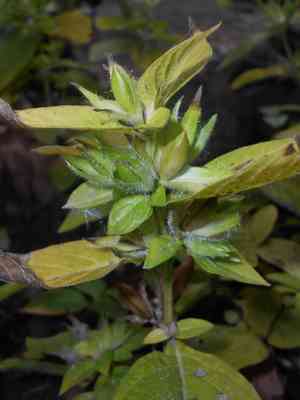
Ruellia simplex flourishes when reproduced via stem sections. To achieve the best development, choose robust stems that possess multiple leaf junctions. Make a cut directly beneath a node with a sharp, sterilized instrument. Submerge the severed tip in rooting compound to stimulate growth and embed it in a well-aerated, damp potting medium. Offer diffused illumination and sustain the soil's hydration to foster robust root establishment.
When Is the Optimal Time to Propagate Wild Petunia?
Propagation Type
Cutting
Propagation Season
Spring,Summer
What Equipment Is Used in Wild Petunia Propagation?
Sharp Pruning Shears
These are vital for making clean cuts from the parent wild Petunia plant, minimizing harm and lowering the risk of disease. Precise, clean cuts are essential for the health and quick recovery of both the parent plant and the cuttings.
Rooting Hormone Powder or Gel
This product aids in stimulating root development more rapidly and efficiently in wild Petunia cuttings. It also shortens the overall propagation period and boosts the success rate by helping to safeguard the cutting from fungal infections and rot.
Sterile Potting Mix
Utilizing a light, well-draining potting mix free from pathogens is crucial for the rooting of wild Petunia. A sterile potting mix ensures the cutting isn't exposed to harmful bacteria or fungi, which could impede root growth.
Small Pots or Propagation Trays
These are employed to plant the wild Petunia cuttings after they have been treated with rooting hormone. The dimensions and cleanliness of these containers are important to prevent overcrowding and to maintain ideal humidity and temperature conditions for root formation.
Plastic Bags or Propagation Domes
Covering the wild Petunia cuttings with a plastic bag or placing them under a propagation dome helps maintain high humidity levels, which are crucial for encouraging effective rooting. This micro-environment also reduces water loss from the cuttings, supporting better initial growth.
How to Propagate Wild Petunia?
Propagation Type
Easy
How to Care for Your Newly Propagated Wild Petunia?
How to Care for Your Newly Propagated Wild Petunia?
Once roots are established, slowly introduce wild Petunia cuttings to drier conditions by removing the cover for increasing durations over a week. Transplant them into larger containers or their permanent spot when roots are sufficiently developed. Provide indirect light, consistent watering, and monthly balanced fertilizer to encourage healthy growth and flowering.
Common Errors to Avoid When Propagating Wild Petunia
Overwatering
Supplying wild Petunia with too much water can lead to root rot, which is harmful as it impedes the plant's ability to absorb nutrients effectively and can ultimately result in plant demise.
Deep planting
Planting the cuttings or seeds of wild Petunia too deeply can prevent them from receiving adequate oxygen, slowing their growth and potentially causing decay before they become established.
Ignoring light requirements
Failing to provide wild Petunia with sufficient sunlight can result in weak, leggy growth. As a native to open prairies, wild Petunia needs ample sunlight to flourish and bloom fully.
Tips For Propagating Wild Petunia
Soil preparation
Prepare a well-draining soil mixture and ensure the container has adequate drainage holes to help establish wild Petunia successfully. Good drainage is vital to prevent waterlogging and root diseases.
Use of rooting hormone
Applying a rooting hormone to the cuttings of wild Petunia can significantly enhance the chances of successful root development, promoting quicker establishment and healthier growth.
Gradual acclimatization
When propagating wild Petunia through cuttings, it is essential to gradually acclimatize the plantlets to outdoor conditions if they were initially grown indoors to prevent shock from sudden environmental changes.



