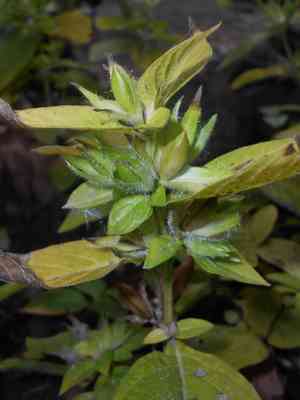
Wild Petunia (Ruellia strepens)
Also known as: Smooth Wild Petunia, Limestone Ruellia
A perennial wildflower often found in woodland areas that produces lavender-blue trumpet-shaped flowers from spring to summer is the Wild Petunia (Ruellia strepens). This plant, which also grows along streams, is known for attracting butterflies and hummingbirds with its nectar and is resilient to drought conditions.
In This Article
Attributes of Wild Petunia
Lifespan
Perennial, Annual
Plant Type
Herb
Plant Height
30 cm to 91 cm
Spread
15 cm to 30 cm
Leaf Color
Green
Flower Size
2.5 cm to 5 cm
Flower Color
Purple Pink
Images of Wild Petunia
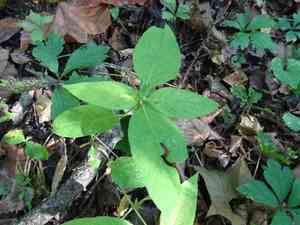
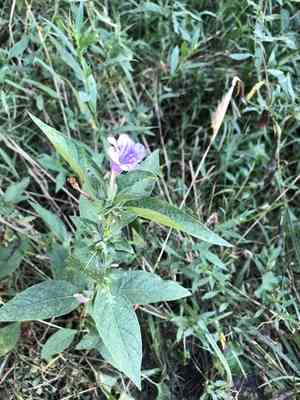
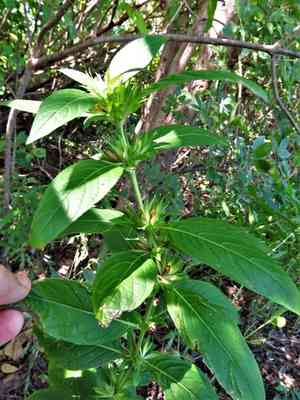
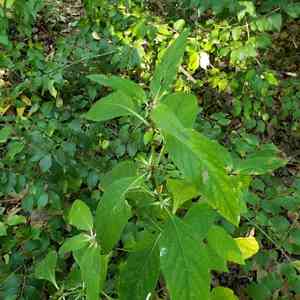
Quickly Identify Wild Petunia
1
Ruellia strepens can be identified by its opposite, lance-shaped leaves with slightly toothed edges and smooth, limp stems. The flowers are funnel-shaped, typically around 1-2 inches in diameter, and appear singly or in clusters from the leaf axils.
Scientific Classification of Wild Petunia
Phylum
Vascular plants
Class
Dicotyledons
Order
Lamiales
Family
Acanthus
Genus
Wild petunias
Species
Wild Petunia
Planting and Growing of Wild Petunia
Care Difficulty
Easy
Watering Schedule
Every 3 days
Sunlight Requirements
Partial sun
Sunshine Duration
4-8 hours
Ideal Temperature
65-75℉
Soil Type
Potting Mix, Peat Mix
Soil pH
6-7.5
Fertilizer Type
Balanced
Pruning Season
Spring, Summer
Pruning Area
Branches, Leaves
Pruning Frequency
2 times a year
Repotting Season
Spring
Pot Type
Plastic, Ceramic
 How to Water Wild Petunia?
Ruellia strepens, commonly known as Wild Petunia, appreciates a watering regimen where the soil remains consistently moist but not soggy. Aim to provide around 500 ml of water each time, ensuring it penetrates deeply into the root zone. This ensures the roots get enough moisture without waterlogging.
What are the symptoms of an underwatered Wild Petunia?
›
What should I do if my Wild Petunia is not getting enough water?
›
What are the symptoms of an overwatered Wild Petunia?
›
How to save an overwatered Wild Petunia?
›
 What Are the Sunlight Requirements for Wild Petunia?
Ruellia strepens grows well with partial sun, which ensures optimal photosynthetic activity, encouraging rich foliage and abundant flowering.
More About Sunlight Requirements Techniques→
What is the best light condition for Ruellia strepens?
›
How can we ensure Ruellia strepens gets ideal lighting?
›
What benefits does perfect lighting provide to Ruellia strepens?
›
 What Is the Ideal Temperature Range for Wild Petunia?
The ideal temperature range for Ruellia strepens is between 65°F and 75°F. Within this range, the plant can photosynthesize efficiently, ensuring optimal growth and flowering. These temperatures mimic its natural habitat, providing a conducive environment for healthy development.
 What Soil is Best for Wild Petunia?
Ruellia strepens thrives in well-drained soils, which prevent waterlogging that could lead to root rot. This type of soil ensures adequate aeration, crucial for healthy root development. This plant prefers soils with moderate fertility. While it does not demand rich soil, a balanced nutrient profile supports robust growth and flowering without excessive foliage. Although it prefers well-drained conditions, Ruellia strepens benefits from soils that can retain some moisture. This helps during dry spells, ensuring the plant remains hydrated and resilient.
 How to Fertilize Wild Petunia?
For Ruellia strepens, the amount of fertilizer should be balanced to provide essential nutrients without overwhelming its system. Use approximately one-quarter strength liquid fertilizer diluted in water every month during the growing season. For solid fertilizers, apply about 200 grams of a balanced, slow-release granular fertilizer around the root zone three times a year.
 How to Prune Wild Petunia?
The best time for pruning Ruellia strepens is during early spring before new growth begins, or in late summer once the flowering has diminished. Pruning in spring before new growth encourages robust development throughout the growing season. In late summer, it helps manage the plant's size and shape for the coming seasons. Ensure your pruning tools are clean and sterilized before and after use to prevent the spread of disease. Wearing gloves is advised to protect against any sap that might cause skin irritation. Dispose of the removed plant material away from your garden to avoid attracting pests or harboring diseases.
More About Pruning Techniques→
 How to Propagate Wild Petunia plant?
1
Collect seeds from mature flowers after they dry and turn brown. Clean the seeds to remove any pulp and allow them to dry completely before sowing.
2
Select healthy, non-flowering stems for cuttings, cut just below a node, and remove the lower leaves. Dip the cut end in rooting hormone before planting in a potting mix.
3
Dig up the plant cluster and gently separate the root clumps. Ensure each division has adequate roots and foliage before replanting into separate pots or directly into the garden.
 How to Repot Wild Petunia plant?
1
Repot Ruellia strepens when you notice roots growing out of the drainage holes or when the plant becomes top-heavy and growth appears stunted. It's also a good idea to consider repotting if the plant shows symptoms of poor health, such as wilting, despite regular care.
2
Choose a pot that is one size larger than the current one, with adequate drainage holes. A slightly larger pot ensures that roots have room to expand while preventing water from sitting at the root area, reducing the risk of root rot. A clay or ceramic pot can offer stability for top-heavy plants.
3
Opt for a well-draining soil mix, possibly one designed for tropical plants, which typically includes peat, perlite, and pine bark. This combination ensures adequate drainage while retaining enough moisture, providing a balanced environment for Ruellia strepens to thrive.



