How to Prune Wild Petunia?
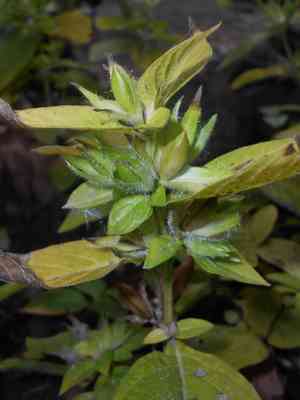
Recognized for its bell-shaped blossoms and affinity for bright locations, wild Petunia flourishes with appropriate trimming. Regularly snip off spent blooms to encourage ongoing flowering and reduce the plant by as much as one-third in late spring to achieve more compact development. Pruning during the active periods of spring and summer is most effective. Removing withered flowers, known as deadheading, boosts the plant's vigor and capacity for blooming, rendering it an essential practice for preserving the well-being and visual charm of wild Petunia.
Advantages of Trimming Wild Petunia
Advantages of Trimming Wild Petunia
Trimming wild Petunia promotes robust development and assists in maintaining its desired form. This targeted removal eliminates unhealthy parts, stimulates fresh growth, and can lead to a more attractive shape.
Optimal Time for Pruning Wild Petunia
Optimal Time for Pruning Wild Petunia
Pruning wild Petunia in Spring is ideal as this is the period after dormancy but before the new growth begins, allowing the plant to recover quickly and put energy into fresh growth. It aids in removing any winter damage and primes the plant for the upcoming growth cycle. Early Summer pruning, post the initial flush of flowers, encourages a second bloom and helps maintain the shape and size of wild Petunia. This timing also allows wild Petunia to recover before it enters a less active phase in late summer and fall. Pruning during these seasons minimizes stress on the plant, aligning with its natural growth rhythm, and avoids cutting back during fall or winter which could lead to damage from cold weather.
Essential Tools for Pruning Wild Petunia
Bypass Pruners
Perfect for making clean cuts on wild Petunia's tender stems, bypass pruners inflict minimal harm to the plant's tissue, which is vital for fostering healthy regrowth.
Pruning Shears
Excellent for shaping wild Petunia and removing dead or overgrown stems. The precision of pruning shears enables precise cuts without harming adjacent stems.
Garden Scissors
Useful for deadheading wild Petunia and preserving its appearance. The slender tips of garden scissors can easily access dense foliage.
Hand Saw
Best suited for cutting through any thicker, woodier stems that wild Petunia may develop over time, a hand saw allows for selective removal without affecting the rest of the plant.
Steps to Prune Wild Petunia
Sanitation
Before starting, cleanse and sanitize all pruning tools to prevent the spread of diseases to wild Petunia.
Identification
Carefully inspect wild Petunia and pinpoint any diseased or withered leaves, as well as diseased stems that need to be removed.
Removal diseased leaves
Gently trim away any diseased leaves from wild Petunia, cutting at the base of the leaf stem to avoid damaging healthy tissue.
Removal withered leaves
Snip off withered leaves from wild Petunia to maintain aesthetics and encourage healthy growth, taking care not to damage new buds or shoots.
Removal diseased stems
Cut back diseased stems on wild Petunia to the nearest healthy section, ensuring a clean cut to facilitate healing and prevent further disease spread.
Common Pruning Errors with Wild Petunia
Overpruning
Removing too much foliage from wild Petunia can stress the plant, limit its ability to photosynthesize, and reduce flowering potential.
Underpruning
Failing to prune or lightly prune wild Petunia might result in a leggy and untidy appearance, as well as potentially less vigorous blooming.
Improper cut placement
Cutting too far from a node might cause a dieback, and too close can damage new buds. It's important to cut just above the node where leaves and buds form.
Not using clean tools
Using dirty pruning tools can introduce diseases to wild Petunia. Always clean and sterilize tools before use.
Neglecting dead or diseased stems
Overlooking dead or diseased growth during pruning can affect wild Petunia's overall health and aesthetic appeal.
General Pruning Advice for Wild Petunia
Cutting angle
Making angled cuts on wild Petunia ensures water runs off the cut surface, reducing the risk of disease and promoting quicker healing.
Post blooming prune
Prune wild Petunia shortly after it completes a blooming cycle to help encourage a second bloom and to maintain plant shape.
Selective thinning
Thin out crowded stems of wild Petunia to improve air circulation, which can help prevent disease and promote stronger growth.
Shaping
Gently shape wild Petunia by trimming back leggy stems to encourage bushier growth and maintain a pleasing plant form.
Rejuvenation pruning
For older wild Petunia plants that are overgrown or underperforming, consider harder rejuvenation pruning to stimulate new growth and flowering.



