How to Transplant Stone bramble?
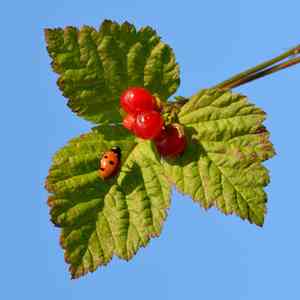
Relocating stone bramble flourishes when planted in the ground from early spring until the onset of summer heat, allowing roots the most favorable establishment in a spot with partial sunlight and shadow. Providing sufficient room will foster vigorous development.
What Preparations are Needed Before Transplanting Stone Bramble?
What is the Ideal Time for Transplanting Stone Bramble?
The optimal period to move stone bramble is from the refreshing start of early spring through the blooming stage of late spring. This timeframe offers a perfect balance, allowing stone bramble's root system to settle in prior to the summer heat. Relocating stone bramble during this season provides sufficient time for root development, thereby encouraging vigorous growth, while the mild temperatures and frequent spring rains create an excellent nurturing environment. Such a well-timed transition establishes a strong foundation for stone bramble to thrive, ensuring a lush and healthy future.
How Much Space Should You Leave Between Stone Bramble Plants?
When preparing to rehouse your stone bramble, ensure a spacing of approximately 24-36 inches (61-91 cm) between each plant. This provides ample room for individual plants to flourish without competing for essential nutrients or sunlight.
What is the Best Soil Mix for Stone Bramble Transplanting?
Your stone bramble will flourish in soil that drains well and is rich in organic material. Before moving it, incorporate some compost or a balanced, slow-release fertilizer to provide your plants with a nutrient-dense base.
Where Should You Relocate Your Stone Bramble?
Select a location for your stone bramble where it will receive partial sunlight throughout the day. An area that gets morning sun and afternoon shade is perfect to shield it from the intense midday rays.
What Equipments Should You Prepare Before Transplantation Stone Bramble?
Gardening Gloves
To safeguard your hands while handling soil and plants.
Shovel or Spade
For excavating the plant and preparing the new planting site.
Watering Can or Hose
To hydrate the plant before removal and after replanting.
Pruning Shears
For trimming any damaged roots or excess foliage.
Wheelbarrow or Garden Cart
To move stone bramble from its original spot to the new location.
Tarp or Burlap
To keep the root ball intact during transportation.
How Do You Remove Stone Bramble from the Soil?
How Do You Remove Stone Bramble from the Soil?
From Ground: First, moisten the soil around stone bramble by watering it. Next, use a shovel or spade to dig a wide trench around the plant, making sure the root ball remains undisturbed. Carefully work the spade beneath the root ball to lift stone bramble from its initial position.From Pot: Start by watering the soil in the container to facilitate easier removal. Gently tip the pot onto its side and tap the bottom to dislodge stone bramble. Support the plant with one hand and slide it out of the pot with the other.From Seedling Tray: Water the tray beforehand to dampen the soil. Use a dibber or a small stick to gently push up from the bottom of the seedling's cell. Carefully hold stone bramble by its leaves, not the stem, to prevent damage.
Step-by-Step Guide for Transplanting Stone Bramble
Preparation
Ensure all necessary tools are gathered and water stone bramble thoroughly before commencing the transplant.
Removal
Follow the previously outlined removal procedure to prepare stone bramble for transplanting.
Transport
Place the root ball of stone bramble on a tarp or in a wheelbarrow, taking care to avoid any damage to the roots during relocation.
Planting Hole
Excavate a hole at the new site that is twice the width of the root ball and equally deep, allowing ample space for root expansion.
Placing stone bramble
Carefully position stone bramble in the center of the planting hole, ensuring it sits at the same depth as it was previously.
Soil Adjustment
Adjust the soil around stone bramble, backfilling the hole, and gently firm the soil to eliminate any air pockets.
Watering
Generously water the plant after planting to help the soil settle.
Stabilization
If stone bramble is unsteady, use stakes or supports to secure it until root growth can provide natural stability.
How Do You Care For Stone Bramble After Transplanting?
Initial Care
Provide shade to stone bramble if the weather is particularly hot on the day of transplanting to prevent stress.
Monitoring
Observe the plant's foliage for indications of transplant shock, such as wilting or discolored leaves.
Adjustment Period
Allow stone bramble some time to acclimate to its new environment without excessive disturbance. Avoid significant pruning or manipulation for several weeks.
Supplemental Watering
Ensure stone bramble receives sufficient water during its initial growing season to establish roots, especially during dry periods.
Troubleshooting Common Issues with Stone Bramble Transplantation.
When is the best time to transplant stone bramble?
Relocate stone bramble ideally during the mild days of early to late spring, fostering root establishment.
How far apart should I space stone bramble when transplanting?
Position stone bramble approximately 24-36 inches (61-91 cm) apart to provide each plant ample room to thrive.
Why are the leaves of my transplanted stone bramble wilting?
Wilting after transplant can signal water stress. Ensure consistent soil moisture without over-saturating.
How do I prepare the soil for stone bramble transplantation?
Enrich the planting site with organic matter and ensure it drains well to welcome stone bramble's roots.
What should I do if my stone bramble isn't showing new growth after transplanting?
Exercise patience, as stone bramble may be establishing its roots. Maintain soil moisture and shield it from harsh conditions.
How deep should I plant stone bramble?
Dig a hole as deep as the root ball and twice its width to encourage outward growth.
Can I transplant stone bramble during the summer?
Transplanting stone bramble in summer is not ideal due to heat stress. Aim for the cooler days of spring.
What signs indicate my stone bramble needs more water post-transplanting?
Drooping leaves and dry soil suggest stone bramble requires more hydration. Water gently at the base.
Should I fertilize stone bramble right after transplanting?
Postpone fertilization to prevent damage to delicate roots. Wait until stone bramble exhibits active growth.
How do I protect stone bramble from transplant shock?
Water thoroughly after transplanting, apply mulch to retain moisture, and shield stone bramble from strong winds and intense sun.



