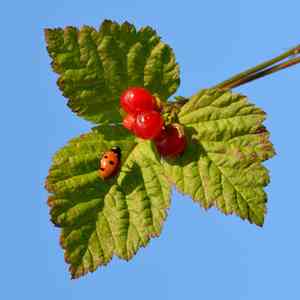
Stone bramble (Rubus saxatilis)
Also known as: Rock bramble
The stone bramble (Rubus saxatilis) is part of the bramble family and is not typically cultivated for commercial purposes. Its berries are consumed by birds, aiding in the plant's propagation. Additionally, the stone bramble can be utilized to create a purplish-blue dye.
In This Article
Attributes of Stone bramble
Lifespan
Perennial
Plant Type
Herb
Plant Height
10 cm to 35 cm
Spread
1 m
Leaf Color
Green Blue
Flower Size
1 cm
Flower Color
White
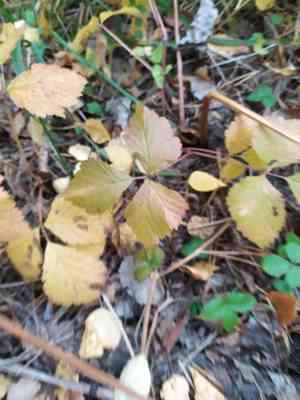
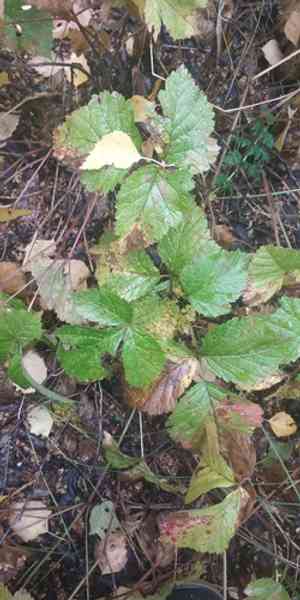
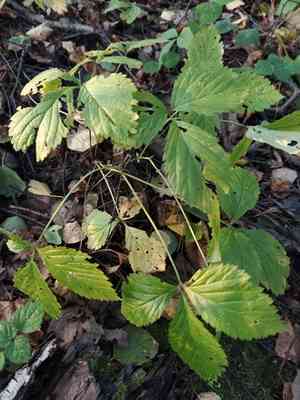
Images of Stone bramble
Quickly Identify Stone bramble
1
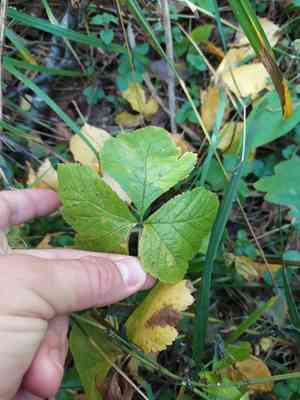
Stone bramble is identified by its low-growing habit, trifoliate leaves, and red aggregate fruits. The plant has long, creeping stems which root at the nodes, and toothed leaflets.
Scientific Classification of Stone bramble
Phylum
Vascular plants
Class
Dicotyledons
Order
Rosales
Family
Rose
Genus
Brambles
Species
Stone bramble
Planting and Growing of Stone bramble
Care Difficulty
Easy
Watering Schedule
Every 2 days
Sunlight Requirements
Partial sun
Sunshine Duration
6-10 hours
Ideal Temperature
55-70℉
Soil Type
Potting Mix, Peat Mix
Soil pH
5.5-7
Fertilizer Type
Balanced
Pruning Season
Spring, Summer
Pruning Area
Branches, Leaves
Pruning Frequency
Once a year
Repotting Season
Spring
Pot Type
Plastic, Ceramic
 How to Water Stone bramble?
For Rubus saxatilis, watering should ensure the soil is moist but not waterlogged. This plant prefers well-drained soil, and excess water should be avoided to prevent root rot. A good rule of thumb is to check the soil moisture by inserting your finger about 2 inches deep; if it feels dry, it's time to water.
What are the symptoms of an underwatered Stone bramble?
›
What should I do if my Stone bramble is not getting enough water?
›
What are the symptoms of an overwatered Stone bramble?
›
How to save an overwatered Stone bramble?
›
 What Are the Sunlight Requirements for Stone bramble?
Partial sun to full shade is ideal, as Rubus saxatilis thrives with adequate filtered light and cooler conditions, promoting healthy development and berry yield.
More About Sunlight Requirements Techniques→
What is the ideal lighting setup?
›
How to achieve ideal lighting?
›
What benefits does ideal lighting provide?
›
 What Is the Ideal Temperature Range for Stone bramble?
Rubus saxatilis thrives best in environments where temperatures are consistently between 55°F and 70°F. This range supports optimal metabolic processes and promotes healthy growth. Within this temperature bracket, the plant is likely to exhibit robust foliage, vigorous flowering, and potentially more bountiful fruiting.
 What Soil is Best for Stone bramble?
Rubus saxatilis thrives in nutrient-rich loam soil, which provides essential minerals and nutrients needed for growth and berry production. This soil type ensures a steady supply of elements like nitrogen and potassium that are crucial for the plant's vitality and fruiting. Good drainage is critical to prevent root rot and other moisture-related issues. Loamy soil with a balance of sand, silt, and clay provides the perfect texture to allow excess water to escape while retaining enough moisture to hydrate the plant. While Rubus saxatilis can tolerate a range of pH levels, a slightly acidic soil pH around 6.0 is ideal. This helps maintain nutrient availability and supports the activity of soil microorganisms beneficial to plant health.
 How to Fertilize Stone bramble?
For Rubus saxatilis, a moderate amount of fertilizer is recommended. Use about 10 grams per square meter for solid fertilizers, and ensure it's evenly distributed around the plant. Liquid fertilizers should be applied at a concentration of one tablespoon per gallon of water.
 How to Prune Stone bramble?
Begin by inspecting your Rubus saxatilis for any dead or diseased branches. Use sharp, clean pruners to cut these back to healthy wood. Clearing out these branches helps prevent the spread of disease and pests, ensuring a robust plant. Thinning is essential for allowing light and air into the interior of the plant. Identify overcrowded areas and remove smaller, weaker shoots to open up the canopy. This process enhances air circulation, reducing the risk of fungal diseases. Prune back any long or wayward stems to maintain a neat shape. Follow the natural form of the plant, cutting just above a leaf node to encourage new growth. A well-shaped plant looks more appealing and fits better in garden spaces.
More About Pruning Techniques→
 How to Propagate Stone bramble plant?
1
Gather seeds from mature Rubus saxatilis fruits. Clean the seeds thoroughly to remove any debris and prevent fungal infections during the germination process.
2
Select healthy stems and cut 4-6 inches long sections. Remove leaves from the lower half of the cutting and dip the base in rooting hormone to encourage root development.
3
During early spring, dig up the plant gently. Use a sharp, clean tool to divide the root ball into sections, ensuring each section has roots and shoots for successful replanting.
 How to Repot Stone bramble plant?
1
Rubus saxatilis, commonly known as the stone bramble, signals its need for repotting when you notice roots protruding from drainage holes or if the plant shows signs of stunted growth. Spring and autumn, when the plant is not in active growth, are ideal times to undertake this task.
2
Select a clay or plastic pot that is slightly larger than the current one, ensuring sufficient drainage holes to prevent waterlogging. A pot that is too large can retain excess moisture, increasing the risk of root rot, while an appropriately sized pot promotes healthy root growth.
3
Opt for a well-draining loamy soil rich in organic matter, which supports the plant's moisture needs while promoting aeration. This soil mix retains nutrients and moisture effectively without becoming waterlogged, fostering a robust root system.
Learn More About Stone bramble Diseases
Anthracnose
Bacterial Leaf Spot
Crown Gall
Cyst Nematode
Damping-off
Downy Mildew
Drought Stress
Fusarium Wilt
Gray Mold
Leaf Curl
Leaf Spot
Mosaic
Nutrient Deficiency
Nutrient Toxicity
Powdery Mildew
Root Rot
Root-knot Nematode
Rusts
Sooty Mold
Spider Mites
Temperature Stress
Thrips Damage
White Mold
Chemical Injury



