How to Prune Stone bramble?
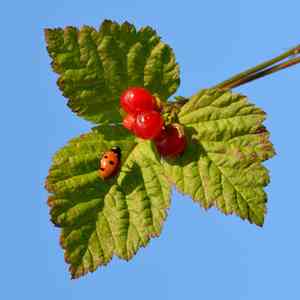
Originating from stony areas in Eurasia, this deciduous species is prized for its palatable fruit and aesthetic attributes. Trim Rubus saxatilis in the spring or summer to preserve its form and stimulate fresh development. Eliminate any deceased or ailing wood and reduce dense sections to enhance air movement and fruit yield. Sever lateral branches that have borne fruit down to the soil line to foster the emergence of new fruit-bearing stems. Strategic trimming invigorates the plant by directing its resources toward vigorous shoots, guaranteeing a more resilient and prolific individual.
What Are the Benefits of Pruning Stone Bramble?
What Are the Benefits of Pruning Stone Bramble?
Trimming stone bramble promotes robust development by eliminating dead or overgrown branches, which in turn aids in preserving the plant's desired form and size for visual appeal and garden design.
What Is the Best Time for Pruning Stone Bramble?
What Is the Best Time for Pruning Stone Bramble?
Pruning stone bramble in late spring to early summer coincides with the end of its dormant phase and just before the peak growing season. This timing allows stone bramble to quickly recover from pruning and direct its energy towards producing new growth and, subsequently, flowers and fruits. Pruning too early in the spring might expose fresh cuts to late frosts, while pruning too late in the summer could hinder the development of buds that will become the next season's flowers and fruits. Furthermore, trimming stone bramble during this optimal period helps maintain its shape, control its size, and remove any dead or diseased wood without significantly stressing the plant.
What Tools Do I Need to Prune Stone Bramble?
Hand Pruners
Perfect for cutting through the slender stems and canes of stone bramble, enabling precise cuts without harming the plant.
Pruning Saw
Essential for cutting through thicker, woodier canes that hand pruners cannot manage, especially if stone bramble has been left untrimmed for several seasons.
Gloves
Help safeguard hands from thorns and rough plant material while trimming stone bramble.
Lopping Shears
Offer additional leverage for cutting thicker stems and branches that hand pruners cannot handle but are not so thick as to require a saw.
Pruning Snips
Useful for detailed work and accurate cuts on stone bramble's smaller branches and for shaping, ensuring minimal damage to the plant tissues.
How to Prune Stone Bramble
Sterilize
Before starting the pruning process, sanitize pruning tools using rubbing alcohol or a bleach solution to prevent the spread of disease to stone bramble.
Identify
Examine stone bramble for any diseased leaves or stems. Look for leaves that have unusual spots, discoloration, or other signs of infection as well as stems that appear discolored, swollen, or have lesions.
Cut Diseased Leaves
Carefully remove diseased leaves by cutting them off at the base where they attach to the stem. Use sharp, clean scissors or hand pruners for precise cuts without harming stone bramble.
Cut Diseased Stems
Prune the diseased stems by cutting them back to healthy tissue, ensuring to remove the entire affected area. Make the cuts at a slight angle to promote proper healing and water runoff from the wound.
Cut Withered Leaves
Trim off withered or dead leaves by gently snipping them off at their base, focusing on removing only the dead material and preserving as much healthy foliage as possible on stone bramble.
Common Pruning Mistakes with Stone Bramble
Overpruning
Removing too much foliage from stone bramble can stress the plant, leading to reduced vigor and fewer berries. Aim to remove only what is necessary for shape and health.
Cutting Healthy Canes
Mistakenly cutting back canes that are healthy and productive can lead to a decrease in the plant's yield. Focus on removing only the dead or damaged wood.
Neglecting Disease Prevention
Failing to sterilize pruning tools before and after use on stone bramble can spread diseases. Always clean your tools to prevent the transfer of pathogens.
Improper Cut Angle
Cutting with an improper angle can leave the plant open to disease and decay. Make angled cuts that slope away from the bud to allow water to run off.
Ignoring Plant Structure
Neglecting the natural growth habit and structure of stone bramble can result in a poorly shaped plant with a reduced yield. Understand the growth pattern before pruning.
Pruning Too Short
Cutting back canes of stone bramble to very short stubs can harm the plant's ability to produce new growth. Leave a few inches of growth to encourage healthy new shoots.
Common Pruning Tips for Stone Bramble
Focus On Dead Material
Remove dead, diseased, or damaged wood first to help maintain the health and appearance of stone bramble. This practice encourages the growth of new, healthy shoots.
Thin Interior
Thinning out the interior branches of stone bramble can improve air circulation, which reduces the risk of diseases and promotes better berry production.
Consider Plant Age
Understand that older canes of stone bramble tend to be less productive. Prune older canes to ground level to encourage the growth of more fruitful younger canes.
Cut Above Buds
When pruning stone bramble, make cuts about 1/4 inch above an outward-facing bud to direct new growth outward and prevent crowding in the center of the plant.
Mulch After Pruning
After pruning, apply a layer of mulch around the base of stone bramble to protect the roots and conserve moisture, which is beneficial for recovery and growth.
Maintain Shape
Prune stone bramble to maintain its natural shape, which not only preserves the aesthetics but also ensures that the plant grows strong and produces well.



