Enhancing Your Garden Design with the Stone bramble Plant: A Landscaping Guide
1
Stone bramble flourishes in adequately drained soil and partial shade.
2
Adding Stone bramble to your garden introduces a touch of local allure.
3
Consistent care guarantees Stone bramble remains attractive all year long.
Introducing Stone bramble in Landscape Themes
Understanding the Natural Habitat of Stone bramble
To effectively integrate Stone bramble into your landscape design, grasping its natural environment is key. Stone bramble typically inhabits forested and rocky locales, preferring damp, well-drained earth. This plant flourishes in cooler climates, making it an excellent option for gardens in temperate zones. By replicating these conditions in your garden, you can ensure Stone bramble thrives, adding natural beauty and ecological diversity to your outdoor space.
Themes that Complement the Charm of Stone bramble
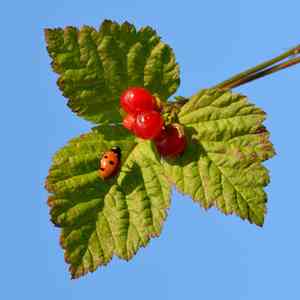
Stone bramble offers versatility for various landscape themes. For example, it harmonizes beautifully with woodland gardens, providing a natural and tranquil setting. Furthermore, Stone bramble can serve as a centerpiece in rock gardens due to its preference for stony, well-drained soil. Its delicate white blossoms and bright red fruits can also enhance cottage gardens, imparting a touch of wild allure. By integrating Stone bramble into a theme that suits its inherent aesthetics, you can achieve a unified and visually pleasing garden layout.
Combining Stone bramble with Other Plants for Visual Interest
To maximize Stone bramble's visual impact in your garden, consider pairing it with other plants that complement its traits. For instance, ferns, hostas, and wildflowers create a visually appealing and texturally rich arrangement when planted alongside Stone bramble. The contrast between Stone bramble's delicate leaves and the broad foliage of hostas or the feathery texture of ferns can produce a dynamic and engaging landscape. Experiment with various plant combinations to discover the ideal balance that highlights Stone bramble's beauty.
Practical Tips for Planting Stone bramble in Your Garden
Choosing the Right Location for Stone bramble
Selecting the optimal site for planting Stone bramble is vital for its growth and development. Stone bramble favors partially shaded areas, where it receives a blend of sunlight and shade throughout the day. It's also crucial to ensure the chosen spot offers well-drained soil to prevent waterlogging, which can harm the plant's health. Consider planting Stone bramble near trees or shrubs that provide filtered light, mimicking its natural habitat and giving it the best chance to prosper.
Soil Preferences for Optimal Growth of Stone bramble
Stone bramble thrives in well-drained soils rich in organic matter. To prepare the soil for planting, mix in compost or leaf mold to boost its fertility and drainage. Avoid heavy clay soils, as they can retain too much moisture, leading to root rot. Testing the soil pH is also beneficial; Stone bramble prefers slightly acidic to neutral conditions. By ensuring the soil meets Stone bramble's requirements, you can provide an ideal foundation for robust growth and abundant blooms.
Timing and Techniques for Planting Stone bramble
The best time to plant Stone bramble is in early spring or fall when the soil is moist and temperatures are mild. Start by digging a hole twice the width and the same depth as the plant's root ball. Gently place Stone bramble into the hole, ensuring the roots are spread out and not clumped. Backfill with soil, gently firming it around the roots to remove air pockets. Water thoroughly after planting and add a layer of mulch around the base to retain moisture and suppress weeds.
Maintenance Strategies for Stone bramble
Seasonal Care Tips for Stone bramble
Caring for Stone bramble throughout the year involves a few key seasonal tasks. In spring, prune any dead or damaged stems to encourage new growth and maintain a neat appearance. During summer, water Stone bramble regularly, especially during dry periods, to keep the soil consistently moist. In fall, mulch around the plant's base to protect roots from temperature shifts. Winter care involves safeguarding Stone bramble from harsh winds and frost, which may require extra mulching or covering with burlap.
Managing Growth and Spread of Stone bramble
Stone bramble has a spreading habit and can quickly dominate an area if not properly managed. To control its expansion, regularly prune back any runners or new shoots that extend beyond the desired planting zone. This will not only keep the plant contained but also promote healthier growth by directing energy to established stems. Additionally, dividing Stone bramble every few years helps rejuvenate the plant and limit its growth, ensuring it remains a well-behaved garden addition.
Dealing with Common Challenges in Growing Stone bramble
While Stone bramble is relatively low-maintenance, it can face some common issues. Pests like aphids and spider mites can be problematic, so regularly inspect the plant and treat infestations promptly with insecticidal soap or neem oil. Fungal diseases such as powdery mildew can also affect Stone bramble, especially in humid conditions. To prevent these problems, ensure good air circulation by spacing plants appropriately and avoid overhead watering. Addressing these challenges quickly will keep Stone bramble healthy and thriving.
Design Ideas Using Stone bramble for Maximum Impact
Creating Focal Points with Stone bramble
Stone bramble can be used to establish striking focal points in your garden. Plant it in prominent spots where its delicate flowers and vibrant berries can be fully appreciated. Consider placing Stone bramble near garden paths or seating areas to attract attention and generate visual interest. Additionally, Stone bramble can be grown in containers and strategically positioned on patios or balconies for a captivating display. By utilizing Stone bramble as a focal point, you can enhance your garden's overall aesthetic and appeal.
Incorporating Stone bramble in Borders and Edges
Stone bramble is an excellent choice for borders and edges due to its compact and spreading growth habit. Plant it along garden borders to create a natural and flowing edge that softens the transition between different garden zones. Its attractive foliage and seasonal appeal can add texture and color to these spaces. Furthermore, Stone bramble can be used to define pathways or line the edges of flower beds, creating a cohesive and well-defined garden layout.
Utilizing Stone bramble in Sustainable Landscaping
Integrating Stone bramble into your garden design can contribute to sustainable landscaping practices. As a native plant, Stone bramble is well-adapted to local conditions and requires minimal inputs like water and fertilizers. Its spreading habit can also aid in soil stabilization and erosion control, making it a valuable addition to environmentally conscious gardens. By using Stone bramble in your landscape, you can create a beautiful garden that supports biodiversity and demands fewer resources and less upkeep.



