How to Propagate Stone bramble?
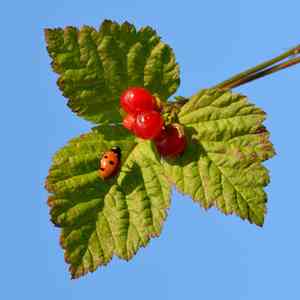
This enduring plant, which produces palatable crimson fruits, flourishes in somewhat acidic ground with exposure ranging from full sun to partial shade. Reproduction is successfully accomplished by planting seeds, with recommendations such as cold stratification to boost germination success. Seeds should be handled delicately, planted in airy, well-draining substrate, lightly covered, and kept damp. Developing seedlings need attentive care in a sheltered setting prior to being moved to avoid stress, guaranteeing the prosperous establishment of new stone bramble plants.
What Is the Best Time To Propagate Stone Bramble?
Propagation Type
Seed Sowing
Propagation Season
Spring
What Tools Are Used in Stone Bramble Propagation?
Seed trays
Seed trays are crucial for planting stone bramble seeds. They allow for even distribution and proper spacing, which is vital for optimal sprouting. These trays also simplify environmental control around the seeds, enabling adjustments in moisture, warmth, and light.
Fine vermiculite or perlite
Vermiculite or perlite serves as a top layer in seed trays when propagating stone bramble. They assist in maintaining consistent soil moisture and temperature, two key elements for successful stone bramble seed germination. Furthermore, these materials prevent mold and fungus growth, which could otherwise harm the seeds during sprouting.
Misting bottle
A misting bottle is used to gently hydrate stone bramble seeds, providing the necessary moisture for germination without disturbing seed placement or compacting the soil. This tool offers precise watering control, especially beneficial for delicate seeds like those of stone bramble.
Heat mat
A heat mat is advantageous for stone bramble propagation as it helps maintain a steady soil temperature, essential for the germination process. Stone bramble seeds may need a warm, stable environment to optimize germination rates, and a heat mat provides precisely that.
Grow lights
For indoor stone bramble propagation, grow lights are necessary to mimic natural light conditions, encouraging photosynthesis once the seeds have sprouted. Grow lights particularly benefit stone bramble seedlings, fostering robust and healthy growth in the absence of sufficient natural sunlight.
How to Propagate Stone Bramble?
Propagation Type
Simple
How to Care for Your Newly Propagated Stone Bramble?
How to Care for Your Newly Propagated Stone Bramble?
Once germinated, carefully transfer stone bramble seedlings into individual pots when they are large enough to handle. Cultivate them in partial shade, ensuring the soil remains damp but drains well. Fertilize monthly with a balanced feed during the growing season. Apply mulch around the plants to retain moisture and suppress weeds. Shield young plants from temperature extremes and provide support as they grow if necessary.
Common Mistakes to Avoid When Propagating Stone Bramble
Overwatering
Excessive watering can cause root rot in stone bramble, leading to poor plant health and a reduced chance of successful propagation.
Ignoring Soil Requirements
Failing to provide the well-draining, sandy soil that stone bramble prefers can hinder root establishment and growth.
Deep Planting
Planting stone bramble cuttings or seeds too deeply can impede germination and root development, obstructing plant propagation.
Neglecting Humidity
Stone bramble requires moderate humidity for propagation; too little can dry out propagules, while too much can encourage fungal diseases.
Tips For Propagating Stone Bramble
Use Fresh Seeds
Fresh seeds have a higher germination rate for stone bramble, increasing the likelihood of successful propagation.
Semi-Ripe Cuttings
Propagating stone bramble from semi-ripe cuttings during the active growth phase maximizes rooting potential.
Bottom Heat
Providing bottom heat can assist in the root formation of stone bramble cuttings, promoting healthy propagation.
Adequate Spacing
Ensure stone bramble cuttings and seedlings have sufficient space to grow, which prevents competition for resources and reduces the risk of disease spread.



