How to Transplant Black raspberry?
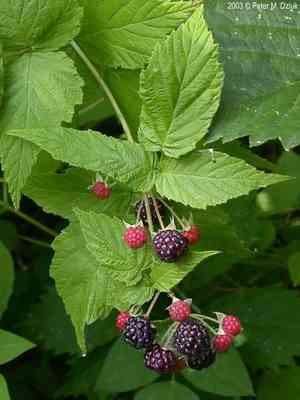
The optimal period for relocating black raspberry is in the spring, which guarantees vigorous development. To achieve favorable results, choose a location featuring fertile, adequately draining earth and some sunlight. Careful management of the root system is crucial to prevent strain on black raspberry.
Preparations Required Before Relocating Black Raspberry
Optimal Period for Transplanting Black Raspberry
The best time to move black raspberry is during the spring, especially as winter recedes and the ground becomes workable. Choosing this timeframe helps roots establish well before summer's heat. Transplanting black raspberry then gives them a head start, ensuring strong development and a plentiful future harvest. This friendly advice comes from the heart: Your black raspberry will appreciate a new home at this opportune moment!
Recommended Spacing Between Black Raspberry Plants
When planting black raspberry, provide ample room for growth. Ideally, space them approximately 3-4 feet (about 90-120 cm) apart. This spacing supports healthy development and simplifies future harvesting.
Best Soil Mixture for Black Raspberry Transplanting
A well-draining loamy soil is ideal for black raspberry. Incorporate a good base fertilizer into the soil before beginning the transplant process. This will supply essential nutrients and encourage robust plant growth.
Choosing a New Location for Your Black Raspberry
Black raspberry thrives in full sun, so select a garden spot that receives sunlight for most of the day. However, it can also tolerate partial shade. Just ensure it gets at least six hours of daily sunlight.
Equipment Needed Before Transplanting Black Raspberry
Shovel or Spade
Crucial for digging holes for the new plant position and for extracting black raspberry from its original spot.
Pruning Shears
Useful for trimming or cutting back black raspberry roots during transplantation.
Gardening Gloves
To safeguard your hands while working with the soil and plant material.
Watering Can
For hydrating the plant before and after the transplanting process.
Wheelbarrow
For moving black raspberry from one location to another.
Method for Removing Black Raspberry from the Soil
Method for Removing Black Raspberry from the Soil
From Ground: Begin by watering the black raspberry to moisten the soil, which helps prevent unnecessary root damage. Dig a circular trench around the plant with your spade or shovel, ensuring the plant's root ball remains intact. Then, carefully insert the spade beneath the root ball to lift the plant. From Pot: Water your black raspberry plant before removal to make the soil easier to manage. Then, tip the pot on its side and gently ease the plant out. If it's stuck, you might need to tap the pot against a hard surface a few times to loosen the soil. From Seedling Tray: Water the seedling tray before and after transplanting black raspberry. Once thoroughly watered, gently push the seedlings from the bottom and slowly pull them out from the top.
Step-by-Step Guide for Transplanting Black Raspberry
Excavate a hole
The hole should be twice the width of the root ball and deep enough so the top of the root ball is level with the surrounding ground. Position the plant in the hole to check the depth, adding or removing soil as needed.
Prepare the roots
Use your pruning shears to trim any damaged roots. Additionally, if the plant is pot-bound (roots circling tightly), gently untangle them.
Positioning the plant
Place black raspberry in the new hole, ensuring the stem is not buried deeper than it was in its previous location.
Backfill the hole
Refill the hole with the excavated soil, gently firming it around the base of black raspberry.
Post-Transplantation Care for Black Raspberry
Watering
After transplanting, thoroughly water black raspberry and continue regular irrigation, especially during dry spells. Avoid wetting the leaves to prevent disease.
Mulching
To help retain moisture and stabilize soil temperature, apply organic mulch like wood chips or compost around the base of black raspberry, keeping it away from the stem.
Pruning
In the first year after transplanting, removing any fruits encourages black raspberry to direct its energy towards establishing a strong root system and vegetative growth.
Pest Control
Monitor for any pests or diseases that might harm black raspberry. Address them promptly according to best gardening practices to prevent their spread.
Resolving Common Issues with Black Raspberry Transplantation
When is the best time to transplant black raspberry?
The ideal period to transplant black raspberry is in the early part of the year, specifically from spring to early summer (S1-S3).
What is the recommended spacing for black raspberry plants?
Black raspberry should be planted approximately 3-4 feet (0.91-1.22 meters) apart. This spacing ensures adequate sunlight and proper growth for the plants.
Which soil type is most suitable for black raspberry?
Black raspberry thrives in well-drained, fertile soil. It's advisable to enrich the planting site with organic matter before transplanting to boost fertility.
How should black raspberry be prepared for transplantation?
Before transplanting, soak black raspberry's root ball in water for 10-15 minutes. After soaking, gently loosen the roots to encourage new growth.
What depth should black raspberry be planted at?
Black raspberry should be planted at the same depth it was previously growing. Planting too deep can cause stem rot, while too shallow may lead to root desiccation.
How should black raspberry be watered after transplanting?
Water black raspberry thoroughly after transplanting to settle the soil around the roots. Subsequently, maintain consistent soil moisture, but avoid waterlogging.
What if black raspberry shows no growth after transplanting?
Patience is crucial! Black raspberry may take some time to establish in its new location. If all steps were followed correctly, growth should eventually appear.
How much sunlight does transplanted black raspberry need?
Black raspberry prefers full sunlight. A minimum of 6 hours (preferably morning sun) is required daily for optimal growth after transplantation.
Can fertilizers be used immediately after transplanting black raspberry?
No, avoid applying fertilizers right after transplanting black raspberry as it can damage the roots. Wait 3-4 weeks, then apply a balanced fertilizer.
What if black raspberry leaves turn yellow after transplanting?
Yellowing leaves may indicate water stress or nutrient deficiency. Ensure the soil remains moist but not soggy, and consider a nutrient boost if the issue persists.



