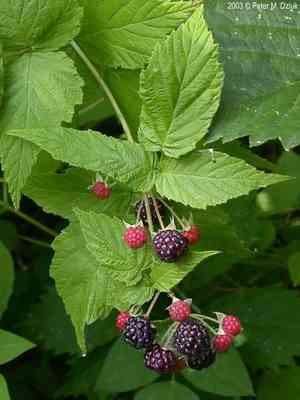
Black raspberry (Rubus occidentalis)
Also known as: Black caps, Scotch cap
Black raspberries, though not widely grown commercially due to their lower yield, offer versatility in consumption. They can be eaten fresh, dried, or frozen. They are also great for making purées, juices, and liqueurs. Additionally, black raspberries can serve as a natural dye, thanks to their deep, vibrant color.
In This Article
Attributes of Black raspberry
Lifespan
Perennial
Plant Type
Shrub
Plant Height
2 m to 3 m
Spread
1.2 m to 2.5 m
Leaf Color
Green
Flower Size
1 cm
Flower Color
White
Images of Black raspberry
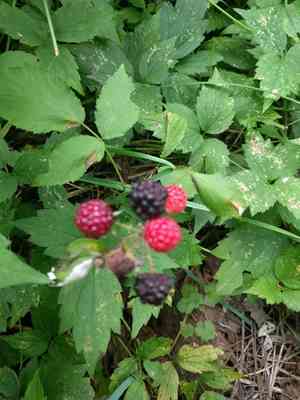
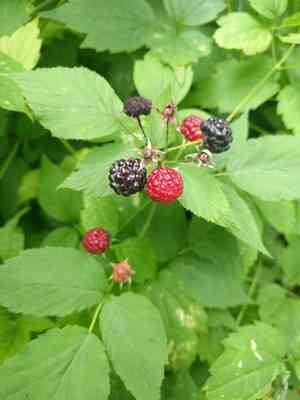
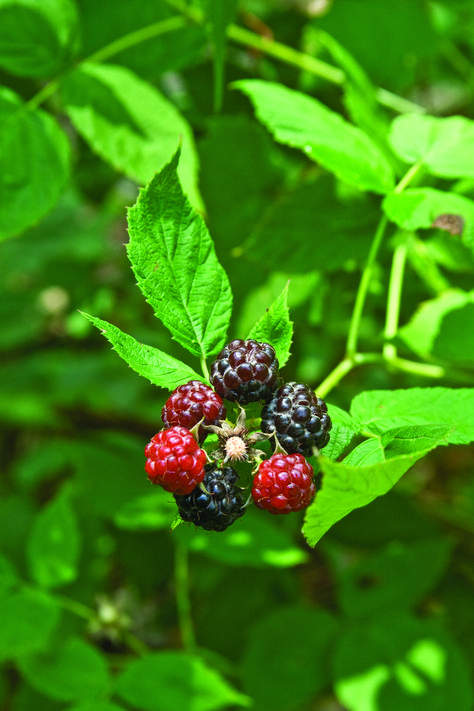
Quickly Identify Black raspberry
1
Thorny stems and compound leaves
2
White flowers with five petals
3
Distinct color sequence in fruit maturation
4
Trifoliate leaves with toothed margins
5
Green stem with powdery bloom, turning woody
Scientific Classification of Black raspberry
Phylum
Vascular plants
Class
Dicotyledons
Order
Rosales
Family
Rose
Genus
Brambles
Species
Black raspberry
Planting and Growing of Black raspberry
Care Difficulty
Easy
Watering Schedule
Every 6 days
Sunlight Requirements
Full sun
Sunshine Duration
4-6 hours
Ideal Temperature
59-77℉
Soil Type
Potting Mix, Peat Mix
Soil pH
6.5-7.5
Fertilizer Type
Balanced
Pruning Season
Spring, Summer
Pruning Area
Branches, Leaves
Pruning Frequency
2 times a year
Repotting Season
Spring
Pot Type
Plastic, Ceramic
 How to Water Black raspberry?
Rubus occidentalis requires a watering strategy that maintains soil moisture without waterlogging. It's vital to ensure the soil is damp but not drenched—aim for a consistent level of moisture about 500ml per watering session, allowing water to reach deep roots while avoiding saturation.
More About Watering Techniques→
What are the symptoms of an underwatered Black raspberry?
›
What should I do if my Black raspberry is not getting enough water?
›
What are the symptoms of an overwatered Black raspberry?
›
How to save an overwatered Black raspberry?
›
 What Are the Sunlight Requirements for Black raspberry?
Rubus occidentalis thrives in partial to full sun exposure. Ideal light promotes robust growth and fruit yield by providing the energy required for efficient photosynthesis.
More About Sunlight Requirements Techniques→
What is the best lighting condition for Rubus occidentalis?
›
How can I achieve ideal lighting conditions for Rubus occidentalis?
›
What are the benefits of providing ideal lighting conditions to Rubus occidentalis?
›
 What Is the Ideal Temperature Range for Black raspberry?
For optimal growth of Rubus occidentalis, the ideal temperature range is between 59°F to 77°F. Within this range, the plant can perform photosynthesis efficiently, leading to robust growth and fruit production. It's essential to maintain this temperature range during the growing season to ensure the plant thrives.
 What Soil is Best for Black raspberry?
Rubus occidentalis thrives in nutrient-rich soil that promotes healthy growth and fruit production. A well-fertilized soil ensures an abundant supply of essential nutrients, leading to vigorous plants with juicy, flavorful berries. While Rubus occidentalis enjoys moisture, it does not tolerate waterlogged conditions. Good drainage prevents root rot by allowing excess water to escape efficiently, ensuring the roots remain healthy and that air circulates properly. Ideal soil pH for Rubus occidentalis ranges from 6.5 to 7.5, which supports optimal nutrient absorption. A slightly acidic soil ensures that crucial minerals remain available to the plant, thus contributing to robust growth.
More About Soil→
 How to Fertilize Black raspberry?
For Rubus occidentalis, also known as black raspberry, the fertilization amount needs to be balanced to support fruit production. Typically, apply 1 to 2 tablespoons of balanced fertilizer like 10-10-10 per plant. Avoid over-fertilizing as it can lead to lush foliage with little fruit.
More About Fertilizing Techniques→
 How to Prune Black raspberry?
Begin by identifying any canes that are clearly dead or damaged. These will often appear brown and brittle. Use sharp, sterilized pruning shears to cut these canes at their base to prevent disease and pests from harboring in the plant. Rubus occidentalis produces a mass of new shoots each season. Thin these out to ensure adequate air circulation and sunlight penetration. Select the strongest and healthiest canes, and remove the weaker ones, leaving about 4-5 main canes for optimal growth. Prune the tips of young canes to encourage lateral branching. This process increases the number of fruit-bearing shoots. During summer, lightly snip off the top few inches of the new canes to encourage bushier growth and more fruit buds.
More About Pruning Techniques→
 How to Propagate Black raspberry plant?
1
Begin by soaking seeds in water for 24 hours to enhance germination. Sow the seeds in a seed tray filled with moist, well-draining compost. Cover lightly with soil and place in a bright area with indirect sunlight.
2
For cuttings, select healthy plant stems in spring. Cut about 3-6 inches above a node. Remove the lower leaves, dip the cut end in rooting hormone, and place it in a pot with moist substrate.
3
Select a low-growing, flexible stem in spring. Bend it to the ground, making a small cut on the underside to encourage rooting. Bury the cut section in soil, securing it with a peg and keeping the tip upright.
 How to Repot Black raspberry plant?
1
When you notice Rubus occidentalis growing roots out of the drainage holes or the plant appears root-bound, it's time to consider repotting. A decrease in growth or the plant needing more frequent watering are also indicators.
2
Select a pot that is 1-2 inches larger in diameter than the current pot. Ensure it has sufficient drainage holes. A slightly bigger pot allows room for growth and prevents waterlogging, promoting healthy root development.
3
Opt for a well-drained loamy soil mix with some organic matter for nutrients. This type of soil ensures good aeration and retains enough moisture without becoming waterlogged, fostering healthy plant growth.
Learn More About Black raspberry Diseases
Anthracnose
Bacterial Leaf Spot
Bacterial Soft Rot
Bacterial Wilt
Black Spot
Chemical Injury
Crown Gall
Damping-off
Downy Mildew
Drought Stress
Fusarium Wilt
Gray Mold
Leaf Spot
Mosaic
Nutrient Deficiency
Nutrient Toxicity
Powdery Mildew
Root Rot
Root-knot Nematode
Rusts
Sooty Mold
Spider Mites
Temperature Stress
Thrips Damage
White Mold



