How to Prune Black raspberry?
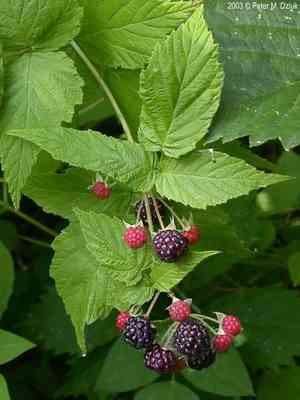
A member of the rose family, the black raspberry is a deciduous shrub recognized for its palatable dark berries and curved stems. Proper trimming entails eliminating all deceased stems and reducing the number of living stems to roughly six per 30 centimeters for peak fruit yield. Cut back stems that have produced fruit immediately following the harvest. The ideal period for this is early spring, prior to the commencement of new growth. This practice deters the proliferation of diseases and fosters the development of more robust berries. Consistent pruning sustains vitality and enhances light penetration throughout the shrub.
What Are the Benefits of Pruning Black Raspberry?
What Are the Benefits of Pruning Black Raspberry?
Trimming black raspberry promotes robust development and maintains its form. This action encourages new, healthy stems to yield superior fruit and keeps the plant's size manageable, aiding sunlight penetration and air circulation.
What Is the Best Time for Pruning Black Raspberry?
What Is the Best Time for Pruning Black Raspberry?
Early spring is considered ideal for pruning black raspberry as it occurs before the plant exits dormancy. Pruning at this time prevents harm to new shoots and allows gardeners to eliminate any canes that did not survive winter. It also helps stimulate new growth, which is crucial since black raspberry produces fruit on biennial canes. Pruning during this period supports the plant's natural growth cycle by ensuring energy is directed to the most vigorous canes, leading to healthier plants and a more abundant fruit harvest in the upcoming season.
What Tools Do I Need to Prune Black Raspberry?
Hand Pruners
Perfect for snipping slender stems and removing dead or diseased wood. For black raspberry, which has relatively thin canes, bypass pruners are advised as they create clean cuts that heal quickly, minimizing plant damage.
Loppers
Useful for cutting thicker stems and reaching difficult areas. Black raspberry can develop canes too thick for hand pruners, and loppers provide the necessary leverage for these tougher cuts.
Pruning Saw
Essential for very thick canes or when dealing with an older black raspberry that may have substantial woody growth. A pruning saw helps remove these with minimal effort and damage to the remaining canes.
Gloves
Hand protection is vital since black raspberry typically has thorns, making pruning a painful task without proper safeguards.
Protective Clothing
To avoid scratches from thorns when pruning black raspberry, wear long sleeves and sturdy pants.
Pruning Sealer
While not always required, a pruning sealer can be applied to cover large cuts and protect against diseases, pests, and excessive sap loss.
Disinfectant
For cleaning cutting tools between uses to prevent the spread of disease among black raspberry plants. A mixture of bleach and water or rubbing alcohol is generally recommended for sterilizing the tools.
How to Prune Black Raspberry
Step1: Identify Dead and Damaged Canes
Locate black raspberry's dead wood, damaged canes, and old canes. Dead wood will feel brittle and break easily, damaged canes may be broken or show signs of illness or pest damage, and old canes are those that bore fruit in the previous season.
Step2: Prepare Sanitized Pruning Tools
Gather your equipment: Use sharp, clean bypass pruners or loppers for thicker canes. Sanitize your tools with a solution of 1 part bleach to 9 parts water to prevent disease transmission.
Step3: Remove Dead Wood
Begin by eliminating any dead wood. Make cuts at the base of the dead material, cutting as close to the main cane as possible without harming live tissue.
Step4: Prune Back Damaged Canes
Next, prune damaged canes. Cut back to healthy tissue, which is typically identified by green inside the bark when a small cut is made. Ensure the cutting location is above a bud or lateral branch to encourage new growth.
Step5: Cut Old Fruited Canes at Base
Remove old canes that fruited last year because black raspberry produces fruit on biennial canes. Cut these canes at ground level to create space for new growth.
Step6: Thin Canes for Airflow and Light
Thin the black raspberry to allow for improved air circulation and light penetration. Keep the healthiest and most vigorous canes, spaced approximately 6 inches apart.
Step7: Tip Prune for Encouraging Branching
Tip prune the lateral branches of the remaining healthy canes to promote branching. Cut back laterals to 8 to 12 inches in length.
Step8: Clear Pruning Debris
After pruning, remove all cuttings and debris from around the black raspberry to deter pests and disease.
Step9: Water \_COMMON\_NAME\_ Post-Pruning
Water the black raspberry thoroughly after pruning to help reduce plant stress and encourage new growth.
Step10: Mulch to Retain Moisture and Suppress Weeds
Apply mulch around the base of the black raspberry to help retain soil moisture and inhibit weed growth.
Step11: Regular Monitoring and Maintenance Pruning
Monitor the black raspberry throughout the growing season for any new signs of dead or damaged wood and prune as needed.
Post-Pruning Care for Black Raspberry
Post-Pruning Care for Black Raspberry
After pruning black raspberry, immediately water the plant to alleviate stress. Maintain moderate humidity and ensure adequate indirect light exposure to facilitate healing. Adjust temperatures to moderate levels as extreme conditions can impede recovery. Incorporate balanced fertilization to replenish nutrients and stimulate growth. Monitor black raspberry regularly for signs of stress, such as wilting or discolored foliage, and address promptly. If infection is suspected, apply appropriate fungicide or bactericide. Reassess environmental conditions and adjust care practices as needed for optimal recovery and development.
Common Pruning Mistakes with Black Raspberry
Ignoring removal of old canes on black raspberry
Failing to remove all canes older than two years, which can lead to overcrowding and reduced fruit production in black raspberry.
Improper cutting of new canes affects yield
Cutting too much or too little of the new canes, which can negatively impact the plant's yield and vigor.
Inadequate pruning of lateral branches on black raspberry
Neglecting lateral branches, either allowing them to grow too long or pruning them too short, which can diminish fruiting potential for the subsequent year.
Common Pruning Tips for Black Raspberry
Thin canes for better air flow and light on black raspberry
Thin the canes of black raspberry by removing the weakest and retaining only the strongest and healthiest. This ensures sufficient air circulation and light penetration, crucial for the plant's health and fruit quality.
Prune lateral branches to optimize next yearâs fruit
Prune the lateral branches of canes that fruited over the summer to about 6 to 8 inches in length to maximize fruit production for the following year.
Remove suckers to avoid disease and improve fruit quality
Regularly remove suckers and thin the plants to prevent the formation of dense thickets, which can harbor diseases and pests and decrease the overall fruit quality.



