Enhancing Your Garden Design with the Black raspberry Plant: A Landscaping Guide
1
Black raspberry offers a lively hue to your outdoor space and draws in native fauna.
2
Optimal location choice and companion plants are crucial for Black raspberry's effective garden placement.
3
Yearly maintenance, such as safeguarding in cold weather and readying for warmer months, guarantees robust development and flowering for Black raspberry.
Why Incorporate Black Raspberry into Your Garden?
Visual Appeal: Enhancing Color and Form
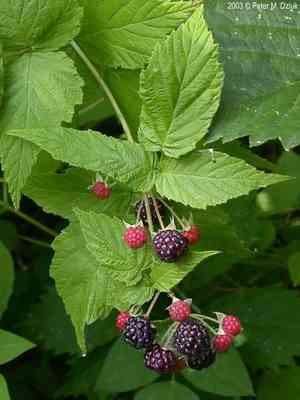
A primary motivation for integrating Black raspberry into your garden is its undeniable visual charm. With its vivid berries and appealing foliage, this plant can instantly elevate your landscape's aesthetic. The deep, rich tones of the berries, paired with the lush green leaves, create a striking contrast that can act as a central feature in any garden. Furthermore, the structured growth habit of Black raspberry imparts a sense of order and refinement to your plantings. Whether used as a standalone specimen or within a mixed border, Black raspberry can improve your landscape's structure and visual allure.
Wildlife Support: Fostering Local Ecosystems
Introducing Black raspberry to your garden isn't merely a feast for the eyes; it also benefits local wildlife. The berries of Black raspberry are a preferred food source for various birds and small mammals, which can boost your garden's biodiversity. By cultivating Black raspberry, you provide a valuable food supply for these creatures, thereby supporting the local ecosystem. Beyond the berries, the plant's dense foliage can offer refuge and nesting sites, making your garden a more welcoming habitat for wildlife. This ultimately contributes to a more balanced and vibrant garden environment.
Year-Round Interest: Continuous Visuals
A standout characteristic of Black raspberry is its capacity to offer continuous interest in the garden throughout the year. In spring, the delicate white blossoms of Black raspberry emerge, signaling a fresh start to the growing season. As summer arrives, these flowers transform into the plant's distinctive berries, providing a burst of color. During autumn, the foliage can adopt beautiful hues, adding to your garden's seasonal palette. Even in winter, the plant's robust canes can stand out against the stark landscape, offering structure and visual appeal all year long. This ongoing display makes Black raspberry a versatile and valuable addition to any garden.
Integrating Black Raspberry into Your Landscape Design
Selecting the Optimal Location
Placement is crucial for the successful cultivation of Black raspberry. Ideally, it should be situated in an area that receives ample sunlight for most of the day. This ensures the plant obtains the necessary energy to produce abundant berries. Additionally, consider the plant's mature dimensions when choosing a site to prevent overcrowding. Well-drained soil is also essential to avert root rot and other moisture-related problems. By selecting a location that meets these criteria, you establish the conditions for Black raspberry to flourish and enhance your landscape.
Companion Plants for Black Raspberry
To cultivate a harmonious and visually pleasing garden, it's vital to pair Black raspberry with suitable companion plants. Consider utilizing plants with contrasting foliage or flower colors to accentuate the striking attributes of Black raspberry. For instance, planting Black raspberry alongside goldenrod or coneflowers can create a beautiful contrast, as their differing colors and textures complement each other. Furthermore, incorporating plants that bloom at various times ensures continuous interest and color in your garden. Choosing companion plants with similar light and soil requirements will also help maintain a healthy and balanced garden environment.
Design Principles for Visual Harmony
When incorporating Black raspberry into your landscape design, achieving visual equilibrium is paramount. Begin by considering the plant's growth habit and mature size. Positioning taller plants, such as Black raspberry, towards the rear of a border or in the center of an island bed can create a layered effect, adding depth and dimension to your garden. Additionally, ensure that Black raspberry is spaced appropriately to allow for natural growth and air circulation. This not only promotes healthier plants but also results in a more aesthetically pleasing arrangement. By thoughtfully placing Black raspberry within your garden design, you can create a well-balanced and impactful landscape.
Maintenance Guidelines for Healthy Black Raspberry Growth
Essential Pruning Methods
Pruning is a critical aspect of maintaining robust Black raspberry plants. Regular trimming helps manage the plant's size, encourages new growth, and boosts fruit production. The optimal time to prune Black raspberry is in late winter or early spring, before new growth commences. Start by removing any dead or diseased canes, then thin out the interior to improve air circulation. Be sure to also eliminate any suckers that emerge around the plant's base. By adhering to these pruning techniques, you can ensure your Black raspberry plants remain healthy and productive.
Ideal Soil Conditions
For Black raspberry to thrive, it's crucial to provide optimal soil conditions. The plant prefers well-drained, sandy loam soil with a slightly acidic pH. Before planting, it's advisable to amend the soil with organic matter, such as compost or well-rotted manure, to enhance its fertility and structure. Regularly testing your soil's pH and nutrient levels can help you make necessary adjustments to keep your Black raspberry plants in prime condition. By creating the right soil environment, you give your Black raspberry plants the foundation they need to grow strong and healthy.
Watering Requirements for Black Raspberry
Appropriate watering is vital for the health and yield of Black raspberry. These plants demand consistent moisture, particularly during the active growing season. However, excessive watering can lead to root rot and other issues, so striking a balance is important. Water Black raspberry deeply once a week, allowing the soil to dry out slightly between irrigations. Mulching around the plant's base can help retain soil moisture and regulate temperature. During periods of extreme heat or drought, more frequent watering may be necessary. By following these watering guidelines, you can ensure your Black raspberry plants remain well-hydrated and healthy.
Year-Round Care and Seasonal Adjustments
Winter Protection for Black Raspberry
Winter safeguarding is essential to ensure the survival and vitality of your Black raspberry plants. Begin by applying a thick layer of mulch around the plant bases to insulate the roots and retain moisture. In regions with severe winters, consider covering the plants with burlap or a frost blanket to shield them from extreme cold and wind. Pruning back any damaged or weak canes in late autumn can also help prepare the plant for winter. By implementing these protective measures, you can help your Black raspberry plants endure the winter months and flourish in the spring.
Spring Preparation
As winter concludes, it's time to ready your Black raspberry plants for the upcoming growing season. Start by carefully removing any winter protection materials and tidying the planting area. Prune any dead or damaged canes to encourage new growth and improve air circulation. Applying a balanced fertilizer in early spring can provide your plants with a nutrient boost as they begin to grow. Regularly monitoring for pests and diseases will also help keep your plants healthy. By preparing your Black raspberry plants for spring, you set the stage for a productive and vibrant growing season.
Summer Care: Maximizing Growth and Yield
Summer is a crucial period for Black raspberry growth and fruit production, making proper care essential. Ensure your plants receive adequate water during the hot summer months, and consider using drip irrigation to maintain consistent soil moisture. Regularly check for and remove any weeds that may compete with your plants for nutrients and water. Mulching can help retain moisture and suppress weed growth. Additionally, monitoring for signs of pests and diseases can help you address any issues promptly. By following these summer care tips, you can maximize the growth and yield of your Black raspberry plants for a bountiful harvest.



