How to Propagate Black raspberry?
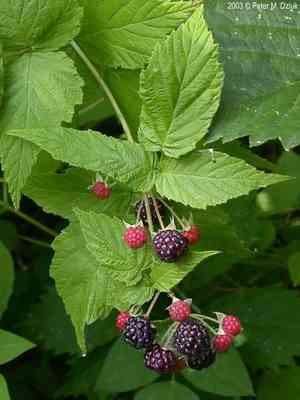
Black raspberry is most effectively multiplied in the fall or winter through the use of cutting and layering techniques. Its propagation presents a moderate level of challenge. Evidence of successful propagation includes the emergence of new shoots and robust root growth. Ensure a well-draining substrate is provided to foster optimal root development.
Optimal Period for Black Raspberry Propagation
Propagation Method
Cutting
Propagation Period
Autumn,Winter
Tools Required for Black Raspberry Propagation
Pruning Shears
Pruning shears are vital for taking cuttings from black raspberry. These tools must be sharp and clean to ensure precise cuts without harming the parent plant or the cutting. A clean cut helps prevent disease and promotes quick healing and root formation on the propagation material.
Rooting Hormone
A rooting hormone can significantly boost the success rate of root development in black raspberry cuttings. This hormone stimulates root growth, leading to a more robust root system. It is especially beneficial for black raspberry, as it can ensure a strong start for new plants from cuttings.
Potting Mix
A well-draining potting mix is essential for black raspberry cuttings to prevent root rot while retaining sufficient moisture to support growth. The mix should be loose and fertile to provide an ideal environment for the young roots to establish.
Propagation Tray
A propagation tray with a lid creates a humid and stable environment for black raspberry cuttings to root. The lid helps maintain humidity, which is crucial for preventing the cutting from drying out before it can establish roots.
Heat Mat
Black raspberry cuttings benefit from a consistent and gentle heat source to encourage root development. A heat mat placed under the propagation tray can provide the necessary warmth to promote rooting, especially in cooler climates or during colder months.
Sterilization Agent
Using a sterilization agent, such as alcohol or bleach solution, to clean tools and containers helps prevent the spread of disease to black raspberry during the propagation process. Sterile conditions support the health and viability of the cuttings.
Post-Propagation Care for Your Black Raspberry
Post-Propagation Care for Your Black Raspberry
After propagation, maintain consistent moisture by watering the black raspberry regularly, especially during dry periods. Look for signs of new growth as an indicator of successful rooting. Fertilize with a balanced fertilizer once roots are established. Prune black raspberry annually to remove dead canes and encourage fruit production. Protect from pests and diseases by keeping the area around the plants clean and free of debris.
Common Errors to Avoid When Propagating Black Raspberry
Overwatering
Excessive water can lead to root rot and fungal diseases, impeding black raspberry's root development.
Deep planting
Burying cuttings too deeply can prevent black raspberry from establishing roots and sprouting correctly.
Neglecting soil quality
Using poor soil deprives black raspberry of essential nutrients, impacting growth and fruit production.
Overcrowding
Placing black raspberry cuttings too close together can restrict airflow and light, leading to poor growth and disease.
Ignoring pest control
Failing to manage pests can cause significant damage to black raspberry shoots and leaves, reducing viability.
Advice for Propagating Black Raspberry
Use healthy mother plants
Begin with vigorous black raspberry to ensure that the new plants are robust and disease-free.
Stem cutting selection
Choose semi-hardwood stems with multiple nodes; they root better and increase success rates.
Soil preparation
Use well-draining soil rich in organic matter to provide the right balance for black raspberry's rooting and growth.
Rooting hormone
Apply rooting hormone to the cuttings to enhance root development and establishment of black raspberry.
Moisture balance
Maintain consistent moisture without waterlogging to support black raspberry's root growth, avoiding drying out and rot.



