How to Transplant Red currant?
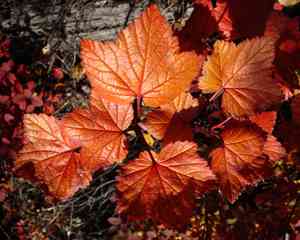
Red currant flourishes when transplanted either as it emerges from dormancy or as it readies for winter, preferring well-lit, temperate environments. Guarantee the soil offers good drainage and augment it with organic material to foster vigorous development.
What Preparations are Needed Before Transplanting Red Currant?
What is the Ideal Time for Transplanting Red Currant?
The optimal period for relocating red currant is during the mild conditions of early to mid-spring. This timing promotes robust root development prior to summer heat. Alternatively, select the calm beginning of late autumn, extending into the early quiet of winter, for minimal plant stress and sufficient moisture availability. Moving red currant within these windows provides a strong head start, as cooler weather allows roots to settle comfortably, preparing for a vigorous growth season.
How Much Space Should You Leave Between Red Currant Plants?
When arranging your red currant, aim for a comfortable spacing of 3-5 feet apart (approximately 0.9-1.5 meters). This provides your red currant ample room to thrive and ensures proper air circulation.
What is the Best Soil Mix for Red Currant Transplanting?
For red currant, choose a loamy soil rich in organic matter. Before planting, incorporate a balanced, slow-release fertilizer to give your red currant an excellent start!
Where Should You Relocate Your Red Currant?
Select a location for your red currant that enjoys partial shade to full sun. Such an ideal spot encourages healthy development and abundant yields!
What Equipments Should You Prepare Before Transplantation Red Currant?
Gardening Gloves
To safeguard your hands while handling soil and plants.
Shovel or Spade
For excavating the plant from its original spot and preparing the new planting site.
Hand Trowel
For more delicate tasks or plants grown in containers.
Watering Can or Hose
To hydrate the plant before and after its relocation.
Pruning Shears
To trim any damaged roots or branches.
Wheelbarrow or Garden Cart
To move the plant and soil.
Measuring Tape
To ensure correct spacing between plants.
Garden Fork
To loosen the soil and aid in incorporating amendments.
Rake
To level the ground and clear debris before planting.
Mulch
To help retain moisture and suppress weeds around the new planting area.
Root Stimulator (optional)
To encourage root development post-transplant.
How Do You Remove Red Currant from the Soil?
How Do You Remove Red Currant from the Soil?
From Ground: Water the red currant plant thoroughly the day before the scheduled transplant to ensure the soil is damp. Carefully dig around the plant with a shovel or spade, maintaining a wide perimeter to prevent root damage. Angle the spade to gently lift the plant from the ground with its root ball intact.From Pot: Start by watering the red currant to ensure the soil is moist and roots are flexible. Turn the pot on its side, hold the plant gently at the base, and tap the pot's bottom or sides to loosen the root ball. Gradually ease the plant out, supporting the root ball to prevent it from disintegrating.From Seedling Tray: Water the seedlings so the soil is moist, making it easier to extract them without harming the roots. Use a hand trowel or a dibber to gently lift the seedling from the tray by pushing up from the bottom or easing around the edges of each cell.
Step-by-Step Guide for Transplanting Red Currant
Preparation
Gather all necessary tools and equipment for the transplant. Ensure you have all required supports to secure the red currant at its new location.
Removal
Follow the appropriate removal procedure based on whether the red currant is coming from the ground, a pot, or a seedling tray, taking care to preserve as much of the root ball as possible.
Transport
Place the red currant in a wheelbarrow or garden cart to carefully move it to the new planting site.
Hole Preparation
Dig a hole that is twice the width of the root ball and equally deep. Loosen the soil at the bottom of the hole with a garden fork.
Planting
Position the red currant in the center of the hole. The top of the root ball should be level with the surrounding soil surface. Backfill around the root ball with soil, gently firming to eliminate air pockets.
Watering
Water the red currant generously immediately after planting to settle the soil and hydrate the roots.
Support
If the red currant is a taller variety or exposed to wind, use garden stakes and soft ties to provide support and prevent breakage.
Mulching
Apply a layer of mulch around the base of the red currant, being careful to leave some space around the stem to prevent rot.
How Do You Care For Red Currant After Transplanting?
Regular Watering
Maintain consistent moisture around the red currant for the initial couple of months until it's well established; avoid excessive watering, which can lead to root decay.
Staking
Check the supports used during planting and adjust as needed to accommodate growth and ensure stability.
Pruning
Snip off any damaged or diseased branches to encourage healthy new growth; use clean, sharp pruning shears for precise cuts.
Weed Control
Keep the area around the red currant free of weeds that can compete for nutrients and water.
Inspection
Regularly inspect the red currant for signs of pests or disease and take necessary action to address any issues.
Feeding
Once the red currant has shown signs of new growth, you can begin a regular feeding routine with a suitable fertilizer, following the instructions provided in earlier care sections.
Troubleshooting Common Issues with Red Currant Transplantation.
What's the best time to transplant red currant for success?
The optimal transplanting periods are during the transitional seasons: just as the weather warms in early to mid-spring, or as it cools from late fall to early winter.
How far apart should red currant be spaced when transplanting?
Proper spacing is crucial; aim to place red currant approximately 3-5 feet (90-150 cm) apart to ensure ample growth room.
What soil conditions favor red currant transplanting?
Choose a site with well-draining soil, rich in organic matter, with a pH that is slightly acidic to neutral for red currant.
How deeply should red currant be planted into the ground?
Plant red currant at the same depth it grew in its previous location, ensuring the root base is adequately covered but not too deep.
How much should I water red currant after transplanting?
After transplanting, water red currant generously to settle the soil around the roots, then maintain consistent moisture without waterlogging.
Should I prune red currant when transplanting?
Light pruning can help red currant focus on root development, but extensive pruning is not necessary during transplant.
How do I prepare red currant for transplanting?
Gently dig around red currant, preserving as much of the root ball as possible, and transport it to the new location carefully.
What signs indicate red currant is not thriving after transplant?
Yellowing leaves, wilting, or a lack of new growth may indicate red currant is stressed; assess watering and soil conditions.
How can I protect red currant during a transplant in hot weather?
If transplanting in warmer weather, provide red currant with shade and additional water to prevent stress and wilting.
Can I use fertilizer when transplanting red currant?
Avoid heavy fertilization immediately after transplanting. Once red currant is established, apply a balanced fertilizer to support growth.



