How to Prune Red currant?
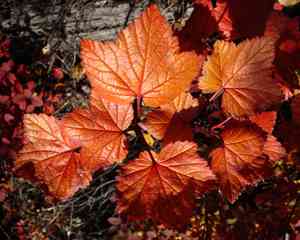
Renowned for its tangy fruit and vivid leaves, red currant flourishes with appropriate upkeep. Perform pruning during its inactive period, in late winter or early spring, prior to the emergence of new shoots. Concentrate on excising deceased or diseased limbs, thinning congested sections to enhance light exposure and airflow, and preserving a symmetrical structure by trimming aged wood. This stimulates fruit development and robust growth. Refrain from extensive pruning, as it may diminish the crop. Trimming red currant leads to bigger berries and a more generous yield.
What Are the Benefits of Pruning Red Currant?
What Are the Benefits of Pruning Red Currant?
Trimming red currant promotes robust development and helps maintain its desired form. Strategic cutting eliminates old wood, stimulates fresh growth, and preserves the plant's compact structure, crucial for optimal berry yield and plant vitality.
What Is the Best Time for Pruning Red Currant?
What Is the Best Time for Pruning Red Currant?
Pruning red currant during late winter or early spring aligns with its dormant and pre-growth phases. This timing prevents sap loss, minimizes stress on red currant, and encourages vigorous growth in the subsequent season. It also allows gardeners to remove dead or damaged wood before new growth emerges, enhancing plant health and shape. Furthermore, pruning before red currant's early spring flowering ensures the plant's energy is directed towards producing strong blooms and, consequently, fruit set.
What Tools Do I Need to Prune Red Currant?
Hand Pruners
Perfect for making precise cuts on red currant canes up to 3/4 inches in diameter. Hand pruners ensure a clean cut that will heal quickly and reduce disease risk.
Loppers
Useful for cutting thicker branches that hand pruners cannot manage. Loppers allow you to trim canes approximately 1 1/2 to 2 inches in diameter, which is important for managing the older wood of red currant.
Pruning Saw
Sometimes red currant canes may become too thick for hand pruners and loppers. A pruning saw is suitable for cutting through canes larger than 2 inches in diameter or for removing older, tougher wood.
Gloves
Wearing gloves is essential when pruning red currant to protect your hands from thorns and potential infections.
Pruning Sealer
After trimming, it is advisable to apply a pruning sealer on large cuts to promote healing and prevent diseases.
How to Prune Red Currant
Clean Tools
Before beginning to prune red currant, ensure all pruning tools are clean and sharp to prevent disease spread and to make clean cuts.
Remove Diseased Leaves
Carefully inspect red currant for diseased leaves. Using pruning shears, gently snip off infected leaves to prevent disease spread. Dispose of these leaves properly.
Trim Withered Leaves
Identify any withered leaves on red currant. Using the same shears, trim these leaves at their base where they meet the stem or branch to promote healthy growth and air circulation.
Cut Dead Branches
Locate dead branches on red currant, which are typically brittle and lack green growth. Cut these branches at their base or where they join a healthy stem, ensuring not to harm the plant's main structure.
Prune Diseased Branches
Examine red currant for any branches showing signs of disease. Prune these diseased branches back to a healthy section, making sure the cut is at a slight angle to prevent water accumulation, which can lead to further disease.
Common Pruning Mistakes with Red Currant
Over-Pruning
Removing too much of red currant's foliage can stress the plant, leading to poor growth or reduced fruit production. As a rule, avoid cutting away more than one-third of the plant in a single season.
Improper Cut Locations
Cutting too far from or too close to a bud can either lead to unnecessary plant injury or dieback. Make cuts at a 45-degree angle about 1/4 inch above outward-facing buds.
Neglecting Sanitation
Not sterilizing tools between cuts can spread disease. Always clean pruning tools before moving on to another plant or after cutting away diseased material.
Indiscriminate Cutting
Random or arbitrary cutting without understanding the plant structure can result in an unhealthy or unsightly plant. Focus on removing specific parts for a reason, such as dead or diseased wood, or for shaping.
Pruning For Symmetry
Attempting to achieve perfect symmetry can be detrimental, as red currant may not grow evenly naturally. Prune for plant health and productivity rather than strictly for aesthetics.
Common Pruning Tips for Red Currant
Identify Growth Patterns
Understand that red currant produces fruit on old wood. Prune in a way that maintains some of last year's growth to ensure fruit production for the coming season.
Promote Air Circulation
Thin out dense areas to improve air circulation, which can reduce the risk of fungal diseases. This helps sunlight reach the interior of the plant, promoting healthier growth and ripening of fruit.
Remove Dead Wood
Regularly remove any dead, diseased, or damaged wood to keep red currant healthy. This helps to stimulate new growth and improve overall plant vigor.
Encourage Strong Framework
Aim to create a strong branch structure that can support the weight of the fruit. Remove any crossing branches or those growing at awkward angles.
Sequential Renewal Pruning
Practice renewal pruning by removing approximately one-fifth of the oldest, thickest stems each year. This encourages new growth while preserving the plant's productivity.



