How to Propagate Red currant?
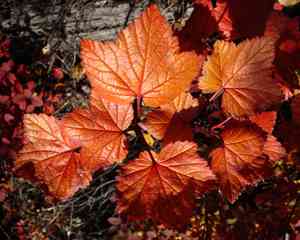
Redcurrant can be effectively multiplied using the cutting technique. To achieve the best outcomes, choose robust, unblemished stems from the parent plant. These stem sections should then be placed in a substrate of soil and sand to stimulate the formation of new roots. Sustaining steady moisture in the growing medium, without overwatering, is vital for the proper development of the cuttings. Perseverance is essential, as it might require a period for the cuttings to form a strong root network prior to their relocation.
Optimal Period for Red Currant Propagation
Propagation Method
Cutting
Propagation Period
Autumn,Winter
Tools Required for Red Currant Propagation
Sharp pruning shears
These are vital for making clean cuts on red currant stems, which is essential to prevent damage and disease. Sharp blades ensure a precise, smooth cut that encourages healthy rooting and minimizes stress on the plant material.
Rooting hormone powder
This improves the rooting success of red currant cuttings by stimulating root development at the cut surface. It acts as a catalyst to promote quicker and more vigorous root formation, which is crucial for the successful establishment of new plants.
Sterilizing solution
Used for sanitizing cutting tools and containers to prevent contamination and the spread of diseases to red currant. Ensuring all equipment is sterile is essential in propagation to maintain the overall health and viability of new plants.
Propagation trays
These hold red currant cuttings in a controlled environment, necessary for the initial stages of root development. Good drainage and adequate space promote healthy root growth without the risk of fungal infections common in overly moist conditions.
Peat moss or perlite medium
A light, well-draining medium is crucial for the rooting of red currant cuttings. These materials help maintain the necessary balance of moisture and air, creating an ideal environment for root growth and minimizing rot.
How to Propagate Red Currant?
Propagation Type
Moderately Difficult
How to Care for Your Newly Propagated Red Currant?
How to Care for Your Newly Propagated Red Currant?
Following propagation, gradually introduce red currant to less humid conditions by removing the plastic cover over a week. Ensure it is placed in partial to full sunlight in nutrient-rich, well-drained soil. Water regularly to keep the soil consistently moist and apply a balanced, slow-release fertilizer monthly during the growing season. Protect red currant from harsh winds and extreme temperatures. Prune annually to maintain shape and promote robust growth.
Common Mistakes to Avoid When Propagating Red Currant
Incorrect cutting method
Using non-viable parts or improper techniques for cuttings can lead to poor root development and reduced survival rates of red currant. Cuttings should include healthy, disease-free stems to enhance growth potential.
Overwatering
Providing too much water can lead to root rot, where root systems become too damp, leading to decreased oxygen availability and subsequent root death in red currant.
Ignoring pest and disease screening
Failing to inspect and treat parent plants for pests and diseases before taking cuttings can transfer these issues to new plants, heavily impacting the overall health and survivability of red currant.
Tips For Propagating Red Currant
Use softwood cuttings
Taking cuttings from softwood, the new growth that is still somewhat flexible, is favorable because these are typically more successful at rooting compared to more mature stems. This improves chances of successful establishment of red currant.
Maintain high humidity
Keeping the environment humid is crucial for red currant cuttings, as it helps prevent excessive water loss through transpiration, aiding in better root development.
Pre-treat with rooting hormones
Applying a rooting hormone to the base of the cuttings increases the likelihood of successful root initiation and growth, providing a helpful boost to the propagation process of red currant.



