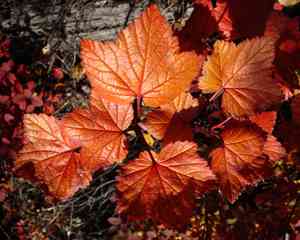
Red currant (Ribes triste)
Also known as: Wild red currant, Northern redcurrant
The red currant (Ribes triste), also called the American red currant, belongs to the gooseberry family. Native to North America and parts of Asia, this versatile plant can flourish in a wide range of light environments. Its berries are tart, but they are completely edible.
In This Article
Attributes of Red currant
Lifespan
Perennial
Plant Type
Shrub
Plant Height
30 cm to 91 cm
Spread
1 m
Leaf Color
Green
Flower Size
4 cm to 7 cm
Flower Color
White Pink Green
Images of Red currant
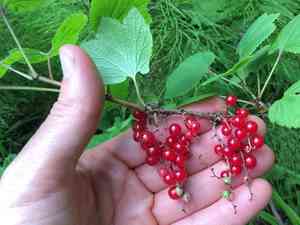
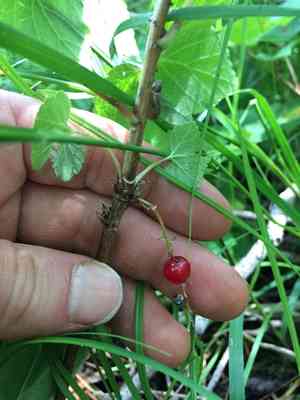
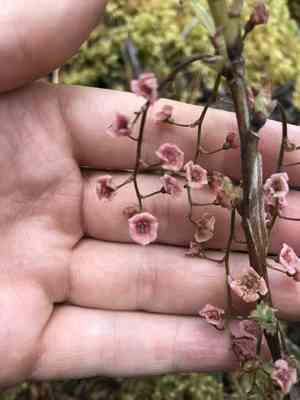
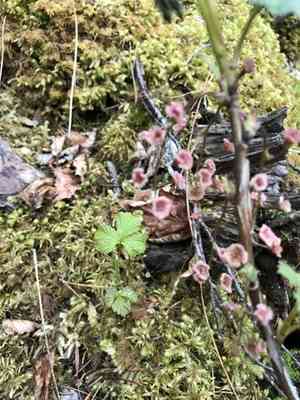
Quickly Identify Red currant
1
Ribes triste can be identified by its lobed leaves with serrated edges, drooping clusters of small red berries, and the presence of glandular hairs on the stems.
Scientific Classification of Red currant
Phylum
Vascular plants
Class
Dicotyledons
Order
Saxifragales
Family
Currant
Genus
Currants
Species
Red currant
Planting and Growing of Red currant
Care Difficulty
Easy
Watering Schedule
Every 2 days
Sunlight Requirements
Partial sun
Sunshine Duration
6-8 hours
Ideal Temperature
60-75℉
Soil Type
Potting Mix, Peat Mix
Soil pH
4.5-7.5
Fertilizer Type
Balanced
Pruning Season
Spring, Summer
Pruning Area
Branches, Leaves
Pruning Frequency
2 times a year
Repotting Season
Spring
Pot Type
Plastic, Ceramic
 How to Water Red currant?
Ribes triste, commonly known as swamp red currant, appreciates evenly moist soil, particularly during its growing season. A watering amount of roughly 250 milliliters ensures the soil is moist, but not soggy. Ideally, water until it begins to drain from the bottom of the pot, indicating the soil is adequately hydrated without being waterlogged.
What are the symptoms of an underwatered Red currant?
›
What should I do if my Red currant is not getting enough water?
›
What are the symptoms of an overwatered Red currant?
›
How to save an overwatered Red currant?
›
 What Are the Sunlight Requirements for Red currant?
Ribes triste thrives best in partial sun to full shade, receiving vivid benefits from morning and dappled sunlight, which enhances its foliage health and promotes moderate blooming without stress.
More About Sunlight Requirements Techniques→
Optimal Light Intensity
›
Morning Sunlight Exposure
›
Creating Dappled Light
›
 What Is the Ideal Temperature Range for Red currant?
Ribes triste, also known as swamp red currant, thrives in temperate climates where it can enjoy mild and stable temperatures. The ideal range for this plant is between 60°F and 75°F. These conditions facilitate optimal growth and berry production, ensuring that the plant receives the appropriate amount of warmth without the risk of overheating.
 What Soil is Best for Red currant?
Ribes triste thrives in well-draining soil, ensuring that its roots do not sit in water, which can lead to rot. This type of soil promotes healthy root growth and prevents diseases. While drainage is crucial, the soil must retain some moisture to support the plant's needs during dry spells. This balance ensures that the currant bush can get through periods of drought without stress. A soil rich in organic matter provides essential nutrients that promote robust growth and fruit production in Ribes triste. Incorporating compost or aged manure can greatly enhance soil fertility.
 How to Fertilize Red currant?
For Ribes triste, it's important to apply fertilizer judiciously to avoid over-fertilizing. When using liquid fertilizer, dilute it to half of its recommended strength. For slow-release fertilizers, apply according to the label but err on the side of caution to prevent nutrient burn.
 How to Prune Red currant?
Begin by removing any dead or damaged branches to encourage healthy new growth. Trim back any crossing or crowded stems to improve airflow within the plant. Focus on shaping the shrub to maintain an open center, which allows for better sunlight penetration and revitalizes the plant's overall vigor. Remember to use sharp, clean pruning tools to make precise cuts. To enhance fruit production, identify old, less productive wood and prune it back to ground level, allowing newer, more vigorous shoots to flourish. The best time to do this is during the spring when you can easily differentiate between old and new shoots based on their growth patterns.
More About Pruning Techniques→
 How to Propagate Red currant plant?
1
Sow Ribes triste seeds in a well-drained seed starting mix. Keep the seeds moist and cover them lightly with the medium. Place the seed tray in a warm, bright area until the seeds germinate.
2
Select a healthy stem and cut a 6-8 inch section using pruning shears. Remove leaves from the lower half, and dip the cut end in rooting hormone before planting it in a growing medium.
3
To propagate by division, carefully dig up the plant and separate the root mass into smaller sections. Each section should have several stems and a portion of the root system. Replant in suitable soil immediately.
 How to Repot Red currant plant?
1
Ribes triste signals it's time for repotting when you notice roots starting to grow through the drainage holes of its current pot, or when the plant overall seems to be growing less vigorously. These are strong indicators that it's current container has become a bit too snug, limiting its potential growth and expansion.
2
Select a pot that's one size larger than the current one, allowing just enough room for root expansion without excess soil which could retain moisture and lead to rot. A slightly larger pot helps ensure better moisture regulation and gives roots the space they need to develop healthily.
3
Opt for a well-draining acidic soil mix to reflect the natural habitat of Ribes triste. This type of soil helps in preventing waterlogging, thus reducing the risk of root rot while ensuring the plant gets adequate nutrients and air circulation.
Learn More About Red currant Diseases
Anthracnose
Bacterial Leaf Spot
Black Spot
Chemical Injury
Crown Gall
Cyst Nematode
Damping-off
Downy Mildew
Drought Stress
Fusarium Wilt
Gray Mold
Leaf Curl
Leaf Spot
Mosaic
Nutrient Deficiency
Nutrient Toxicity
Powdery Mildew
Root Rot
Root-knot Nematode
Rusts
Sooty Mold
Spider Mites
Temperature Stress
Thrips Damage
White Mold



