How to Transplant Rhaphidophora tetrasperma?
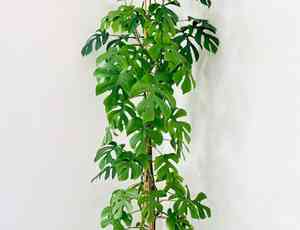
The most suitable period to relocate mini Monstera is as late spring's warmth transitions into the gentle embrace of early summer, promoting vigorous development. Position it in a location with ample, diffused light and ensure elevated humidity for peak recuperation.
What Preparations are Needed Before Transplanting Mini Monstera?
What is the Ideal Time for Transplanting Mini Monstera?
The best period for moving mini Monstera is during its active growth phase, usually from late spring to early summer. Relocating mini Monstera at this time allows its root system to establish in a warm, supportive environment, leveraging the momentum of the upcoming growing season. This timing also ensures mini Monstera benefits from longer daylight hours and optimal temperatures, fostering strong, healthy development after the move.
How Much Space Should You Leave Between Mini Monstera Plants?
When getting ready to rehouse your mini Monstera, aim for approximately 24-36 inches (61-91 cm) between each plant. This provides your mini Monstera ample room to thrive and spread its beautiful foliage.
What is the Best Soil Mix for Mini Monstera Transplanting?
For your mini Monstera, choose a fertile, well-draining potting mix, and consider incorporating a balanced slow-release fertilizer to support its growth. This establishes an optimal base for your plant to flourish in its new location!
Where Should You Relocate Your Mini Monstera?
Find a well-lit spot with indirect sunlight for your mini Monstera. A location that receives filtered light, avoiding intense midday sun, will ensure your plant remains vibrant and healthy.
What Equipments Should You Prepare Before Transplantation Mini Monstera?
Gardening Gloves
To safeguard your hands when handling the mini Monstera and soil.
Trowel
For digging and modifying the soil during mini Monstera planting.
Spade or Shovel
To excavate the mini Monstera's root ball if moving it from the ground.
Watering Can or Hose
To hydrate the mini Monstera before and after its relocation.
Pruners or Scissors
For trimming any damaged roots or leaves.
Measuring Tape
To ensure correct spacing during transplantation.
How Do You Remove Mini Monstera from the Soil?
How Do You Remove Mini Monstera from the Soil?
From Pot: Gently tilt the pot sideways and tap the base to loosen the mini Monstera's root ball. Carefully ease the plant out, taking care not to pull on the stems.From Ground: Water the mini Monstera to moisten the soil. Use a spade or shovel to dig around the root ball at a distance that prevents root damage. Gently work the tool beneath the root ball and lift the mini Monstera from the ground.From Seedling Tray: Use a trowel or your fingers to carefully lift the mini Monstera from the tray, ensuring a good amount of soil remains around the roots to minimize disruption.
Step-by-Step Guide for Transplanting Mini Monstera
Digging the Hole
Prepare a hole that is twice the width of the root ball and as deep as the mini Monstera's container or root mass.
Root Preparation
Examine the mini Monstera's root system. Gently untangle any circling roots to encourage outward growth.
Placement
Position the mini Monstera in the center of the hole. The top of the root ball should be level with the surrounding soil surface.
Soil Backfill
Carefully refill the hole with soil, gently firming it around the root ball to eliminate air pockets.
Watering
Water the mini Monstera thoroughly after transplanting to settle the soil around the roots and help reduce transplant shock.
Mulching
Apply a layer of mulch around the base of the mini Monstera, keeping it away from the stems, to retain moisture and regulate soil temperature.
How Do You Care For Mini Monstera After Transplanting?
Regular Watering
Ensure the soil around the mini Monstera stays consistently moist for several weeks after transplant until new growth indicates successful establishment.
Mulch Application
Maintain the mulch layer around the mini Monstera without covering the base to prevent moisture loss and weed competition.
Monitoring
Check the mini Monstera's leaves for signs of transplant shock, such as wilting or yellowing, and adjust care as needed.
Troubleshooting Common Issues with Mini Monstera Transplantation.
What's the optimal season to transplant mini Monstera?
Transplant mini Monstera during the warm growth period, typically late spring to early summer for best results.
How far apart should I space mini Monstera when transplanting?
Give mini Monstera room to thrive by spacing them 24-36 inches (61-91 cm) apart.
How deep should the new pot be for transplanting mini Monstera?
Select a pot that's 2 inches (5 cm) larger than the current one, allowing room for roots.
Can mini Monstera be transplanted in a pot without drainage holes?
No, always use a pot with drainage holes to prevent waterlogging and root rot in mini Monstera.
Should I water mini Monstera immediately after transplanting?
Yes, water mini Monstera well to help settle the soil and reduce transplant shock.
Why are my mini Monstera's leaves drooping after transplanting?
Drooping is normal as mini Monstera adjusts. Ensure proper watering, lighting, and avoid extreme temperatures.
What type of soil is best for transplanting mini Monstera?
Use a well-draining, rich potting mix designed for aroids or similar plants for mini Monstera.
How much sunlight does mini Monstera need after transplanting?
Provide bright, indirect light while mini Monstera settles into its new home, avoiding direct sun.
When should I fertilize mini Monstera after transplanting?
Wait 4-6 weeks before fertilizing to allow mini Monstera to establish in its new pot.
How do I know if my mini Monstera has transplant shock?
Signs include wilted or yellow leaves and stunted growth. Provide consistent care to help recovery.



