How to Prune Rhaphidophora tetrasperma?
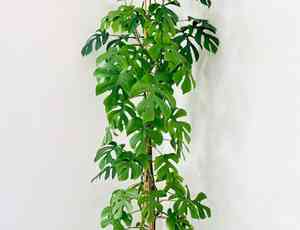
Recognized for its divided foliage, reminiscent of a miniature Monstera, mini Monstera flourishes with consistent trimming. Snip elongated stems or undesirable shoots directly above leaf junctions to foster denser development, preferably in spring prior to its active growth phase, although summer or autumn are also appropriate. Eliminating discolored or compromised leaves preserves the plant's well-being and visual appeal. Regular pruning aids mini Monstera by stimulating more robust foliage and a more compact form. Always employ sanitized, sharp implements to avert illness.
Advantages of Trimming Mini Monstera?
Advantages of Trimming Mini Monstera?
Trimming mini Monstera promotes robust development and sustains its decorative appeal by keeping it well-proportioned within desired areas.
Optimal Time for Trimming Mini Monstera?
Optimal Time for Trimming Mini Monstera?
Trimming mini Monstera during Spring or early Summer coincides with the start of the plant's active growth period. This timing allows mini Monstera to recover swiftly from trimming and encourages strong new growth. By trimming in these seasons, cultivators can shape the plant, manage its size, and eliminate any undesirable foliage before the primary growth phase. This species typically lacks a significant flowering or fruiting season that would dictate trimming times. Furthermore, trimming during Fall should be avoided, as new growth might not have adequate time to harden off before colder temperatures, potentially stressing the plant and leading to damage.
Tools Required for Trimming Mini Monstera?
Bypass Pruners
Perfect for making clean cuts on mini Monstera's stems without crushing them, which is vital for fostering healthy regrowth and preventing infections.
Sharp Scissors
Suitable for snipping smaller or more delicate foliage of mini Monstera, allowing for precision in shaping and upkeep.
Micro-Tip Snips
These are excellent for reaching confined spaces within mini Monstera's foliage and precisely trimming smaller leaves without harming nearby stems or leaves.
How to Trim Mini Monstera
Cleaning
Before trimming mini Monstera, ensure your trimming tools are clean and sharp to prevent disease spread and make clean cuts.
Diseased leaves
Carefully remove any diseased leaves from mini Monstera by cutting them at the base of the stem, using sterilized scissors.
Withered leaves
Remove withered leaves to maintain the health and appearance of mini Monstera. Snip the leaf stem where it meets the main stem or the soil.
Dead branches
Cut back any dead branches on mini Monstera to the point where they connect with a healthy stem. Make an angled cut to promote healing and prevent water accumulation.
Diseased branches
Identify and remove diseased branches on mini Monstera to halt further infection. Isolate the cut branch for observation and potential disposal.
Common Trimming Errors with Mini Monstera
Over-trimming
Removing too much growth at once can shock mini Monstera, leading to increased susceptibility to diseases and slower recovery.
Improper cutting
Without knowing where to make cuts, gardeners might damage mini Monstera's aerial roots or remove crucial growing points, impeding its development.
Using dull tools
Dull trimming tools can cause jagged cuts that make mini Monstera vulnerable to infections, rather than clean incisions that heal quickly.
Neglecting hygiene
Not sterilizing trimming tools before use can introduce pathogens to mini Monstera, risking disease spread.
Disregarding plant health
Attempting to trim mini Monstera when it's unhealthy can further stress the plant, impairing its ability to recover and grow back.
Unnecessary trimming
Mini Monstera may not require as frequent trimming as other species; excessive cutting can prevent the plant from flourishing.
General Trimming Advice for Mini Monstera
Clean cuts
Use sharp, sterilized trimming shears to make precise cuts on mini Monstera, which aids in quick healing and reduces disease risk.
Correct sites
Target cuts just above a leaf node, which is where new growth will emerge on mini Monstera, ensuring continued healthy development.
Maintenance trimming
Regularly remove any yellow, dead, or damaged leaves from mini Monstera to maintain plant vigor and aesthetic appeal.
Aerial root care
Preserve the aerial roots of mini Monstera when trimming, as they are vital for climbing and absorbing humidity from the air.
Growth promotion
Trim mini Monstera to encourage branching and create a fuller plant; pinch out the terminal buds to stimulate new side shoots.
Safety first
Wear gloves when trimming mini Monstera to protect your hands, as repeated handling and exposure to plant sap can sometimes cause skin irritation.



