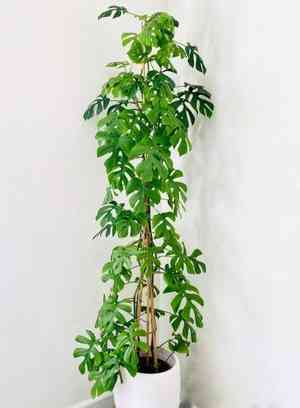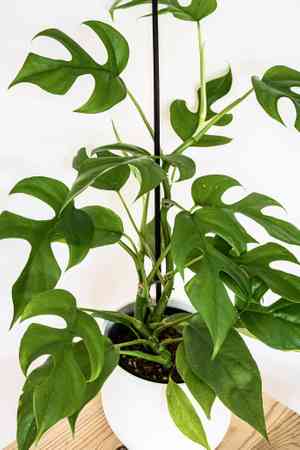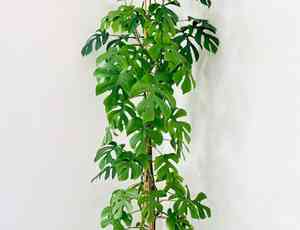
Rhaphidophora tetrasperma(Rhaphidophora tetrasperma)

Rhaphidophora tetrasperma (Rhaphidophora tetrasperma)

Also known as: Monstera 'Minima', Mini Monstera, Ginny Philodendron, Piccolo

Rhaphidophora tetrasperma, also known as the mini monstera, belongs to the flowering plant species within the Araceae family and the Rhaphidophora genus. Its origins trace back to Southern Thailand and Malaysia. It belongs to the aroid category and is frequently misidentified as other species and families, as showcased by the common names some plant stores and retailers use. Such errors in identity include being mistaken for a smaller version of Monstera deliciosa, Philodendron sp., and Epipremnum pinnatum, whose leaf patterns could be similar to the mini monstera's, depending on their life cycle's phase.

Attributes of Rhaphidophora tetrasperma

Lifespan
Perennial
Plant Height
5 - 12 feet
Spread
Not Specific
Leaf Color
Green
Flower Size
Not Specific
Flower Color
Not Specific

ForwardPlant - Identify plants with a snap

Identify and diagnose plants, get toxicity alerts, and explore safety guides for all types of fungi.

Try for Free

Images of Rhaphidophora tetrasperma

Rhaphidophora tetrasperma(Rhaphidophora tetrasperma)

Quickly Identify Rhaphidophora tetrasperma

1
Identify Rhaphidophora tetrasperma by its small fenestrated leaves which are split with deep lobes. It's a vining plant that is often found climbing or trailing.

Scientific Classification of Rhaphidophora tetrasperma

Phylum
Angiosperms
Class
Monocotyledonae
Order
Alismatales
Family
Araceae
Genus
Rhaphidophora
Species
R. tetrasperma

Planting and Growing of Rhaphidophora tetrasperma

Care Difficulty
Easy
Watering Schedule
Every 2 days
Sunlight Requirements
Partial sun
Sunshine Duration
6-10 hours
Ideal Temperature
65-80℉
Soil Type
Potting Mix, Peat Mix
Soil pH
6.5-7.5
Fertilizer Type
Balanced
Pruning Season
Spring, Summer
Pruning Area
Branches, Leaves
Pruning Frequency
2 times a year
Repotting Season
Spring
Pot Type
Plastic, Ceramic

water icon How to Water Rhaphidophora tetrasperma?

When watering Rhaphidophora tetrasperma, aim to thoroughly water the plant until the excess begins to drain out of the bottom of the pot. This generally translates to approximately 250 milliliters of water per session, depending on the size and type of the pot. Ensure that the soil is moist but not waterlogged, as soggy soil can lead to root rot.
What are the symptoms of an underwatered Rhaphidophora tetrasperma?
What should I do if my Rhaphidophora tetrasperma is not getting enough water?
What are the symptoms of an overwatered Rhaphidophora tetrasperma?
How to save an overwatered Rhaphidophora tetrasperma?

sunlight icon What Are the Sunlight Requirements for Rhaphidophora tetrasperma?

Sunlight Requirements: Partial sun
Duration of light: 3-6 hours daily
Partial sun exposure is ideal, offering Rhaphidophora tetrasperma benefits like enhanced photosynthesis, vigorous growth, and healthy leaf coloration without the risk of damage from direct sun exposure.
What is the best lighting condition for Rhaphidophora tetrasperma?
How can you achieve ideal lighting for Rhaphidophora tetrasperma indoors?
What benefits does Rhaphidophora tetrasperma gain from ideal lighting?

temperature icon What Is the Ideal Temperature Range for Rhaphidophora tetrasperma?

Ideal Temperature: 65 ~ 80℉
The ideal temperature range for Rhaphidophora tetrasperma is between 65°F and 80°F. This temperature range mimics the tropical environment that this plant thrives in naturally. Maintaining this temperature ensures healthy growth and vibrant leaves.

soil icon What Soil is Best for Rhaphidophora tetrasperma?

Soil type: Loam, Sandy loam
Soil PH: 6.5 ~ 7.5
Rhaphidophora tetrasperma thrives in well-draining soil because it prevents water from accumulating around the roots, reducing the risk of root rot and promoting healthy root development. This plant appreciates rich, organic soil that provides essential nutrients, supporting vigorous growth and lush foliage. Nutrient-rich soil can enhance the plant's overall health and appearance. Preferring a slightly acidic to neutral pH range of 6.5 to 7.5, this plant grows best when soil conditions allow optimal nutrient availability and absorption. Balanced pH helps prevent nutrient deficiencies.

fertilize icon How to Fertilize Rhaphidophora tetrasperma?

Fertilizer type: Balanced
For Rhaphidophora tetrasperma, it's best to use a balanced, water-soluble fertilizer. Dilute the fertilizer to half the recommended strength before applying it. Typically, using about 1/4 teaspoon of liquid fertilizer per quart of water is sufficient for each feeding session.

prune icon How to Prune Rhaphidophora tetrasperma?

Pruning Time: Spring, Summer, Autumn
Before you start pruning your Rhaphidophora tetrasperma, make sure you have clean and sharp pruning shears. This helps to avoid any disease transmission and ensures a clean cut. It’s best to prune during the day when you have good visibility to accurately identify sections that need trimming. Look for stems that are overgrown, damaged, or diseased. Prune just above a node to encourage new growth. By targeting the right spots, you promote a fuller look and help the plant direct its energy towards healthier sections, fostering a robust structure. Cut off excess growth at a 45-degree angle to encourage regeneration. Focus on keeping the shape you desire. This plant can handle quite a bit of trimming, so feel free to be bold, but remember to always trim cautiously as not to overly stress the plant. More About Pruning Techniques

propagate icon How to Propagate Rhaphidophora tetrasperma plant?

Propagate Time: Spring, Early summer
1
Select a healthy parent plant that shows no signs of disease or pest infection. This increases the likelihood of successful propagation and ensures that the new plants inherit strong characteristics.
2
Use sharp shears to take cuttings with at least two nodes. Each node is a potential root source, so having multiple nodes increases the chance of successful rooting.
3
Plant the cutting into a pot with a well-draining potting mix. Keep the soil moist but not soggy, as overly wet conditions may lead to rot.
More About Propagating Techniques

repot icon How to Repot Rhaphidophora tetrasperma plant?

Repotting frequency: Every 1-2 years
1
Rhaphidophora tetrasperma needs repotting when you notice roots are circling the pot, emerging out of drainage holes, or if the soil becomes compacted. These are signs that the plant has outgrown its space and could benefit from a larger home.
2
Select a pot that is one size larger than the current one to prevent overwatering and allow for root expansion. A pot with drainage holes is crucial to avoid root rot, ensuring that any excess water can escape easily.
3
Use a well-draining potting mix like an aroid mix with perlite and orchid bark. This type of soil prevents waterlogging while providing adequate aeration to the roots, mimicking the plant's natural epiphytic growing conditions.

ForwardPlant - Identify plants with a snap

Find the best spots for them to optimize their health, simply using your phone.

Try for Free

Toxicity of Rhaphidophora tetrasperma

Is Rhaphidophora tetrasperma toxic to humans?

The Mini Monstera plant carries a mild risk of toxicity for humans if ingested. This entire plant contains calcium oxalate, which is the main factor contributing to its toxic characteristics. If any component of the Mini Monstera is consumed, the presence of calcium oxalate may lead to various symptoms. Affected individuals may suffer from a burning sensation in the mouth and throat, along with swelling of the lips, tongue, and surrounding oral tissues, which can impair speaking or swallowing. Furthermore, exposure to the eyes may cause severe pain and redness. Gastrointestinal disturbances are also frequent, potentially resulting in nausea, vomiting, and diarrhea. It is crucial for individuals, particularly those with children or pets, to recognize the toxic nature of this plant and take precautions to avoid accidental ingestion.

Is Rhaphidophora tetrasperma toxic to cat?

The Mini Monstera exhibits a low level of toxicity for cats. Incidents of exposure primarily arise when cats inadvertently consume various parts of the plant. This plant possesses calcium oxalate throughout its entirety, which can lead to discomfort. After ingestion, a cat may exhibit symptoms like oral and gastrointestinal irritation, potentially resulting in drooling, pawing at its mouth, or vomiting. Prompt veterinary care is essential to address these symptoms and avert any possible complications.

Is Rhaphidophora tetrasperma toxic to dog?

The mini Monstera is recognized as having a mild level of toxicity for dogs. If a dog were to ingest any portion of this plant, given that all areas are toxic, it might result in poisoning. The most common way dogs can become poisoned is through unintentional consumption. Upon ingestion, the calcium oxalate crystals found in the plant can trigger various symptoms, including irritation of the mouth, excessive salivation, vomiting, and difficulty in swallowing. It is vital for dog owners to remain alert and to keep their pets away from the mini Monstera. Should a dog ingest any part of this plant, seeking prompt veterinary attention is essential to ensure appropriate treatment and management of the symptoms.

Identify toxic plants for your safety

Learn which plants are harmful to you and your pets, and make informed choices for a safer home!

Try for Free
WARNING
The judgment on toxicity and danger is for reference only. We DO NOT GUARANTEE any accuracy of such judgment. Therefore, you SHALL NOT rely on such judgment. It is IMPORTANT TO SEEK PROFESSIONAL ADVICE in advance when necessary.
More About Toxic Techniques