The Rhaphidophora tetrasperma Plant Advantage: Maximizing Home and Office Appeal and Wellness
1
Rhaphidophora tetrasperma is recognized for its ability to cleanse the air.
2
This plant needs little upkeep, making it ideal for those new to plant care.
3
Rhaphidophora tetrasperma can bring a vibrant, exotic feel to any interior setting.
Why Incorporate Mini Monstera into Your Home?
What Are Its Visual Advantages?
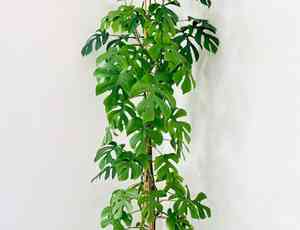
Mini Monstera features distinctively shaped foliage that introduces an exotic touch to any space. Its compact dimensions make it an excellent option for apartments or smaller areas where you aim to enhance greenery without overwhelming the room. With its lush, tropical appearance, Mini Monstera elevates your home's visual appeal, making it feel more welcoming and lively.
How Does Mini Monstera Enhance Your Indoor Environment?
Mini Monstera is recognized for its impressive capacity to purify air. It aids in eliminating common airborne toxins, including formaldehyde, benzene, and trichloroethylene. By improving air quality, this plant can contribute to better respiratory well-being and foster a more pleasant living atmosphere.
Health Benefits of Mini Monstera
Can Mini Monstera Improve Mental Well-being?
Indeed, numerous studies indicate that indoor plants like Mini Monstera can significantly boost mental health. Having plant life in your environment has been linked to reduced stress levels, enhanced mood, and increased productivity. The presence of Mini Monstera can create a calming ambiance, making it easier to relax after a demanding day.
Does Mini Monstera Offer Any Physical Health Advantages?
Mini Monstera can certainly provide physical health benefits by enhancing indoor air quality. Cleaner air lowers the risk of allergies and respiratory problems, supporting overall physical health. Furthermore, caring for this plant can encourage physical activity, as routine watering and upkeep keep you active.
Caring for Mini Monstera: Simple and Effective
How Effortless is Mini Monstera to Maintain?
Mini Monstera is ideal for both beginners and experienced plant enthusiasts due to its minimal care requirements. This plant thrives in bright, indirect illumination but can also tolerate lower light conditions. Watering is straightforward; simply ensure the soil remains moist but not waterlogged, and your Mini Monstera will flourish.
What Are the Optimal Conditions for Mini Monstera?
The best conditions for Mini Monstera include a well-draining potting mix, consistent humidity, and moderate temperatures. Keeping the plant away from drafts or sudden temperature shifts will ensure its continued health. Regularly wiping its leaves can also help the plant respire better and maximize its air-purifying abilities.
Integrating Mini Monstera into Your Decor
Where Should You Position Mini Monstera?
Mini Monstera is adaptable and can be placed in various settings, from living areas to bathrooms. Its preference for indirect light means it can thrive under natural light or artificial grow lamps. Whether suspended from a decorative pot or situated on a stylish plant stand, Mini Monstera can seamlessly integrate into any decor style.
How Can Mini Monstera Complement Your Design Aesthetic?
With its striking leaf pattern, Mini Monstera can enhance diverse design aesthetics, from minimalist to bohemian. Combine it with other tropical plants for a lush, jungle-like feel, or use it as a singular focal point in a modern, minimalist room. Its vibrant green leaves can also introduce a splash of color to neutral or monochromatic design schemes.
Frequent Inquiries About Mini Monstera
Is Mini Monstera Safe for Pets?
It's crucial to note that while Mini Monstera is a wonderful addition to your home, it can be toxic to pets if consumed. Ensure it's positioned out of reach of curious animals to prevent any health issues. Consider placing it on elevated shelves or utilizing hanging planters as secure alternatives.
What Are Common Issues and Their Solutions?
Mini Monstera is generally resilient, but it can occasionally face problems like yellowing foliage or root rot. Yellow leaves often indicate overwatering or inadequate drainage, so ensure the potting medium drains well and adjust watering frequency. Root rot can be prevented by not allowing the plant to sit in stagnant water and using a pot with drainage holes.



