How to Transplant Palmer's oak?
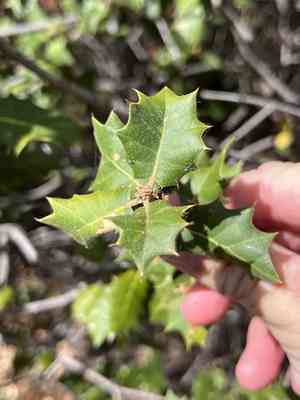
Relocate palmer's oak from late spring to early summer for the most favorable integration, due to the mild weather. Seek out sites that replicate its natural environment's characteristics for superior development. Pay attention to the soil's quality to foster strong root development.
What Preparations are Needed Before Transplanting Palmer's Oak?
What is the Ideal Time for Transplanting Palmer's Oak?
The optimal period for relocating palmer's oak is during late spring's peak or early summer's onset, as mild weather aids root establishment without extreme temperature stress. Moving palmer's oak within this timeframe leverages gentle conditions, allowing roots to adapt and spread before harsher seasons arrive. This strategic timing fosters healthier, more vigorous development. Remember, the warmth of this season combined with soil moisture provides an inviting environment for palmer's oak to flourish post-transplant.
How Much Space Should You Leave Between Palmer's Oak Plants?
When getting ready to move your palmer's oak, make sure each plant has ample room to thrive. Aim to position them 25-40 ft (7.6-12.2 m) apart. This will provide their root systems sufficient space to expand and prevent overcrowding as they mature.
What is the Best Soil Mix for Palmer's Oak Transplanting?
Prior to transplanting palmer's oak, enrich your soil with organic material to create a well-draining mixture. A starter fertilizer rich in phosphorus will stimulate root development. Target a pH level between 5.5 and 7.5, with loamy soil being most suitable.
Where Should You Relocate Your Palmer's Oak?
Your beautiful palmer's oak prefers a location with full sun to partial shade. Ensure the chosen spot receives at least 6 hours of sunlight daily for optimal growth. Avoid excessively shaded areas that could impede their development and vitality.
What Equipments Should You Prepare Before Transplantation Palmer's Oak?
Gardening Gloves
To safeguard your hands while handling soil and the plant.
Shovel or Spade
For excavating around and beneath the root ball.
Watering Can or Hose
To pre-moisten the ground and irrigate the palmer's oak after relocation.
Wheelbarrow or Garden Cart
For moving the plant and any substantial soil or amendments.
Pruning Shears
To trim any damaged roots or branches prior to transplanting.
Burlap or Tarp
To wrap the root ball during transport if the root system is exposed.
Measuring Tape
To determine the depth and width of the new planting site.
How Do You Remove Palmer's Oak from the Soil?
How Do You Remove Palmer's Oak from the Soil?
From Ground: Gently water the palmer's oak to soften the earth. Use a shovel to dig a circle around the plant wide enough to encompass as much of the root system as possible. Carefully slide the shovel under the root ball and lift the plant from the ground.From Pot: Water the palmer's oak thoroughly beforehand. Turn the container sideways, hold the plant by its base, and gently tap the pot's bottom to loosen the root ball. Slide the plant out with the root ball intact.From Seedling Tray: Moisten the soil in the tray for easier removal. Use a spoon or small gardening tool to carefully lift the seedling, ensuring you include as much surrounding soil and roots as possible.
Step-by-Step Guide for Transplanting Palmer's Oak
Preparation
Gather all necessary tools and confirm the palmer's oak's new planting site is ready for relocation.
Root Ball Care
Water the palmer's oak thoroughly several hours before beginning the transplant to ensure root hydration.
Plant Removal
Follow the appropriate procedure based on whether the palmer's oak is being moved from the ground, a pot, or a seedling tray.
Hole Digging
Excavate a hole in the new spot that is twice as wide and as deep as the root ball to allow for root expansion.
Plant Positioning
Place the palmer's oak in the center of the hole at its original growing depth. Gently spread out the roots if they are pot-bound.
Backfilling
Fill the hole around the root ball with soil, gently firming it down without compacting to eliminate air pockets.
Watering
Water the palmer's oak deeply to settle the soil and hydrate the roots. Avoid over-watering to prevent root rot.
Mulching
Apply mulch around the base of the palmer's oak to help retain moisture and regulate soil temperature, keeping it away from the direct stem base.
How Do You Care For Palmer's Oak After Transplanting?
Monitoring
Regularly check soil moisture; the soil should be damp but not waterlogged. Water the palmer's oak as needed to maintain this balance.
Pruning
Trim any dead or damaged branches to encourage healthy growth and reduce stress on the palmer's oak.
Support
Stake the palmer's oak if it is tall or in a windy location to prevent leaning or uprooting.
Protection
Shield the transplanted palmer's oak from pests and physical harm from equipment like lawn mowers or trimmers.
Observation
Keep an eye on the palmer's oak's overall health, looking for signs of transplant shock, such as wilting or yellowing leaves, and address them promptly.
Troubleshooting Common Issues with Palmer's Oak Transplantation.
When is the best time to transplant palmer's oak?
Relocate palmer's oak in late spring to early summer to ensure it establishes before winter.
How far apart should palmer's oak be spaced when transplanting?
Plant palmer's oak at intervals of 25-40 feet (7.6-12.2 meters) for optimal growth and health.
Why is my palmer's oak wilting after transplanting?
Wilting may indicate transplant shock. Ensure adequate watering and initially avoid direct sunlight.
What soil conditions does palmer's oak prefer for successful transplanting?
Well-draining, nutrient-rich soil is ideal for palmer's oak. Amend soil with organic matter if necessary.
How often should I water palmer's oak after transplanting?
Water palmer's oak deeply and consistently until established, then reduce frequency, ensuring the soil stays moist, not soggy.
What should I do if leaves of palmer's oak turn yellow post-transplant?
Yellowing might signal overwatering or poor drainage. Adjust irrigation and improve soil aeration.
How can I protect the transplanted palmer's oak from pests and diseases?
Regularly inspect for pests and apply suitable organic controls. Maintain cleanliness around palmer's oak to prevent disease.
Should I fertilize palmer's oak right after transplanting?
Wait until palmer's oak shows new growth before fertilizing, then use a balanced slow-release fertilizer.
How do I choose the right location for transplanting palmer's oak?
Select a sunny spot with sufficient space for palmer's oak's mature size; consider soil conditions and drainage.
Can I prune palmer's oak during transplanting?
Limit pruning to dead or damaged branches at transplant time to avoid stressing palmer's oak further.



