The Palmer's oak Plant Advantage: Maximizing Home and Office Appeal and Wellness
1
Palmer's oak offers substantial soil stability, hindering erosion.
2
The plant aids native fauna by supplying shelter and sustenance.
3
It possesses strong drought tolerance, making it suitable for arid areas.
What is Palmer's oak?
Natural Habitat and Distribution
Originating in arid and semi-arid zones, Palmer's oak flourishes where many other plants struggle. It is especially common in dry mountainous regions and is well-suited to rocky and sandy soils. This hardiness makes it a vital element in stabilizing these delicate ecosystems.
Physical Characteristics
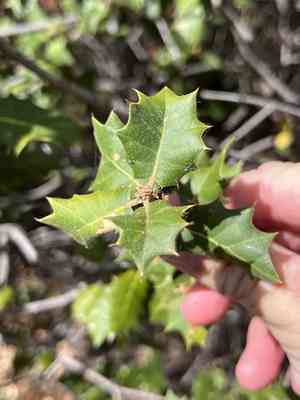
Palmer's oak typically grows as a small to medium-sized shrub, featuring a sturdy trunk and dense leaves. Its foliage is leathery and designed to retain water, a critical attribute for its survival in dry climates. During its flowering period, it produces acorns that serve as a key food source for various animal species.
How Does Palmer's oak Benefit the Environment?
Soil Stabilization
The root system of Palmer's oak is extensive and deep, which helps to anchor the soil and prevent erosion. This is particularly important in areas prone to landslides and soil degradation. By securing the ground, Palmer's oak aids in preserving the integrity of the terrain.
Water Conservation
Palmer's oak's inherent drought tolerance means it needs minimal water once established. This characteristic is especially advantageous in regions facing water scarcity. Planting Palmer's oak can significantly decrease the need for irrigation, thereby conserving precious water resources.
What Wildlife Does Palmer's oak Support?
Habitat and Food Source
Palmer's oak plays a crucial role as a dwelling for various wildlife species. Birds, mammals, and insects all find refuge and sustenance in its thick foliage and acorns. By supporting a range of species, Palmer's oak enhances biodiversity and contributes to a healthier ecosystem.
Pollinator Attraction
The blossoms of Palmer's oak attract pollinators such as bees and butterflies, which are essential for the reproduction of many plants. This not only supports the pollinators themselves but also helps maintain the plant diversity in the area.
How Can Palmer's oak Improve Your Landscape?
Aesthetic Value
Palmer's oak adds significant visual appeal to any landscape with its robust and lush appearance. Its evergreen nature ensures that gardens and natural areas remain green and vibrant throughout the year, providing a visually pleasing environment.
Low Maintenance
Due to its drought resistance and minimal water requirements, Palmer's oak is a low-maintenance plant. This makes it an excellent choice for gardeners and landscapers looking to create sustainable and easy-to-care-for green spaces.



