How to Propagate Palmer's oak?
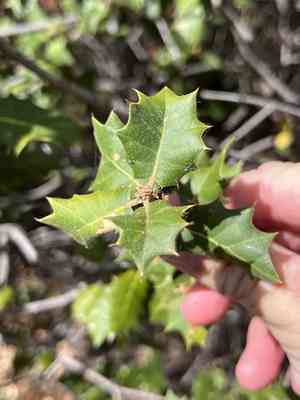
Originating from California's chaparral zones, palmer's oak is a resilient, arid-adapted tree, perfectly suited for a Mediterranean environment. To achieve effective propagation, gather cuttings from a vigorous palmer's oak, making sure each segment includes multiple nodes for root formation. Subsequently, these cuttings need to be situated in a potting blend that drains efficiently, and kept in an environment with elevated humidity and diffused light until they develop a strong root structure. Frequent spraying can aid in preserving moisture. Given its gradual growth rate, this procedure demands considerable patience.
When Is the Optimal Time to Propagate Palmer's Oak?
Propagation Method
Cutting
Propagation Period
Autumn,Winter
What Implements Are Utilized in Palmer's Oak Propagation?
Sharp pruning shears
Crucial for obtaining cuttings from the parent palmer's oak specimen. Keen blades ensure a clean incision without tissue damage, vital for disease prevention and promoting rapid healing and root growth.
Rooting hormone
This compound is applied to the base of cuttings to stimulate root development and improve rooting success. Rooting hormone boosts the likelihood of successful plant establishment by supplying key growth substances.
Sterile potting mix
A well-draining, nutrient-rich growing medium is essential for the initial growth phase of the cuttings. Employing a sterile mix prevents pathogen contamination that could harm young palmer's oak cuttings.
Misting bottle
Keeps the cutting hydrated during the initial rooting stage. Consistent moisture is vital for palmer's oak cuttings to prevent desiccation, which is critical for successful root formation.
Propagation tray with dome
Used to maintain a stable environment for the cuttings. The domed cover aids in preserving high humidity and temperature control, both necessary for encouraging root growth in palmer's oak cuttings.
How to Propagate Palmer's Oak?
Propagation Type
Moderately Difficult
How to Nurture Your Newly Propagated Palmer's Oak?
How to Nurture Your Newly Propagated Palmer's Oak?
Following successful propagation of palmer's oak, transfer the young plants into larger containers or a prepared outdoor location with well-draining soil. Palmer's oak thrives in full sun to partial shade and requires consistent watering, especially during dry spells. Apply mulch around the base to retain moisture and inhibit weed growth. Monitor for pests and diseases, treating as needed to maintain robust health.
Common Errors to Avoid When Propagating Palmer's Oak
Insufficient hydration
Attempting to propagate palmer's oak with inadequate moisture can cause the plant cuttings or seedlings to dry out, hindering root establishment and increasing mortality rates.
Over-fertilization
Applying excessive fertilizers during the early stages of propagation can lead to root burn in palmer's oak, impeding growth and potentially killing young plants.
Ignoring soil composition
Using an inappropriate soil mix that does not drain well can lead to waterlogging, which is detrimental to palmer's oak as it can cause root rot and fungal infections.
Inadequate light
Propagating palmer's oak in conditions that are either too shady or overly bright can stress the plant, affecting its growth and reducing the success rate of propagation.
Advice For Propagating Palmer's Oak
Moisture management
Maintain consistent moisture levels in the soil when propagating palmer's oak to ensure the cuttings or seedlings are neither too dry nor waterlogged, fostering healthy root development.
Use of rooting hormones
Applying a rooting hormone to the cuttings of palmer's oak can significantly enhance root formation and increase the chances of successful plant establishment.
Soil selection
Choose a well-draining, fertile soil mix specifically suited for oak species to support the healthy growth of palmer's oak during propagation.
Appropriate light conditions
Provide bright, indirect light when propagating palmer's oak from cuttings or seedlings, as this promotes vigorous growth without causing stress to the developing plants.



