How to Prune Palmer's oak?
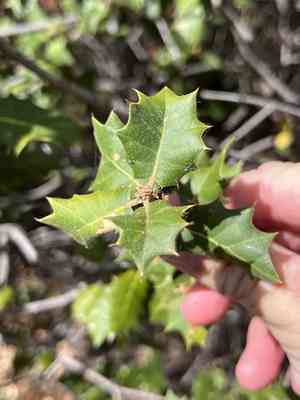
This oak, which sheds its leaves, flourishes in chaparral and forested environments, recognized for its resilience and extended lifespan. Trim palmer's oak during the late winter or early spring period, prior to the emergence of new foliage. Eliminate any deceased or ailing wood, branches that intersect, and preserve a dominant central stem to foster robust architecture. Restrict trimming to no more than a quarter of the tree's crown to prevent undue strain. Trimming improves air movement, diminishes the likelihood of illness, and stimulates vigorous new development tailored to palmer's oak's specific growth habits.
What Are the Benefits of Pruning Palmer's Oak?
What Are the Benefits of Pruning Palmer's Oak?
Trimming palmer's oak promotes robust development and maintains its form. Strategic cuts enhance vitality, lower disease risk, and can improve its natural appearance, resulting in a more attractive display.
What Is the Best Time for Pruning Palmer's Oak?
What Is the Best Time for Pruning Palmer's Oak?
Late winter and early spring are considered ideal for trimming palmer's oak as they precede the start of the new growth cycle, ensuring the plant's energy is directed towards the development of new branches and leaves. Pruning during late winter helps remove any damaged or diseased wood before the spring growth begins, minimizing potential stress on palmer's oak. In early spring, the plant is still in a dormant phase, allowing for better wound healing post-pruning and reduced risk of attracting pests and diseases that are more active during warmer weather. Additionally, cutting back palmer's oak before it enters its rapid growth phase allows gardeners to shape the plant and manage its size more effectively, without interrupting its natural flowering or fruiting periods.
What Tools Do I Need to Prune Palmer's Oak?
Hand Pruners
Perfect for making precise cuts on palmer's oak's small to medium-sized branches, hand pruners are essential. They enable clean cuts that encourage rapid healing. Opt for bypass pruners over anvil-style for a cleaner cut.
Lopping Shears
For branches too thick for hand pruners, lopping shears offer the necessary leverage for cleanly cutting through palmer's oak's larger stems and branches, typically up to 1.5 inches in diameter.
Pruning Saw
When dealing with palmer's oak's mature branches exceeding 1.5 inches in thickness, a pruning saw is indispensable. Its sharp teeth allow for clean cuts through tougher wood without causing undue harm.
Pole Pruner
For palmer's oak's elevated branches that are out of reach from the ground, a pole pruner is a valuable implement. It combines a saw and a lopper, enabling precise pruning of branches at various heights.
How to Prune Palmer's Oak
Clean Tools
Before starting, sanitize pruning shears and saws with a solution of 1 part bleach to 9 parts water to prevent the spread of disease to palmer's oak.
Inspect
Examine palmer's oak closely to identify all dead and diseased branches. These will often appear discolored, brittle, and may show visible signs of fungal growth or insect damage.
Sanitize
After cutting each diseased branch, re-sterilize your pruning tools to prevent contaminating healthy parts of palmer's oak.
Cut Dead Branches
Using sharp, clean shears or a saw, trim dead branches at the point where they meet healthy wood. Angle cuts slightly downward to prevent water from collecting on the cut surface.
Prune Diseased Branches
Remove diseased branches by cutting at least several inches into healthy wood beyond the infection, ensuring all diseased tissue is removed from palmer's oak.
Common Pruning Mistakes with Palmer's Oak
Over Pruning
Removing too much foliage at once can stress palmer's oak, leading to poor health and reduced vigor. It's crucial to prune no more than 25-30% of the total canopy in a single season.
Improper Cut Locations
Cutting too close to the trunk or leaving large stubs can result in improper healing and may expose palmer's oak to pests and diseases. Proper cuts should be made just outside the branch collar, without damaging it.
Using Dull Tools
Dull pruning tools can cause jagged cuts that heal poorly and are more susceptible to disease. Always use sharp, clean tools to make precise cuts.
Tearing Bark
Incorrect pruning techniques can lead to bark tearing, which can severely damage the tree's vascular system. To prevent this, undercut the branch before making the final cut from the top.
Flush Cutting
Flush cutting â pruning branches flush against the trunk â can damage palmer's oak's protective bark and cambium layer, leading to decay. Instead, cuts should be made just outside the branch collar.
Random Cutting
Indiscriminate cutting without a clear objective can lead to unsightly and unhealthy growth. Each cut should be made with a purpose, whether to remove dead wood, shape palmer's oak, or improve structure.
Common Pruning Tips for Palmer's Oak
Clean Cuts
Ensure each cut is clean and smooth to promote quick healing. This helps palmer's oak to recover faster and reduces the chance of infection.
Maintenance Pruning
Focus on maintenance pruning to remove dead, diseased, or broken branches which helps maintain the health and appearance of palmer's oak. This selective approach is less traumatic for the tree.
Structural Pruning
For young palmer's oak, structural pruning is key to develop a strong, well-balanced framework. This encourages a sturdy growth habit that will require less corrective pruning as the tree matures.
Thinning
Thinning out dense areas improves air circulation and light penetration throughout palmer's oak, which can reduce the risk of diseases and promote more robust growth.
Tool Sanitation
Before and after pruning palmer's oak, sanitize tools with a solution of 10% bleach or alcohol to prevent the spread of diseases from one plant to another.
Consider Growth Habit
Understand the natural growth habit of palmer's oak to make informed decisions on which branches to prune. This knowledge can guide you to encourage a desirable shape and form of the tree.



