How to Transplant Chinese pear?
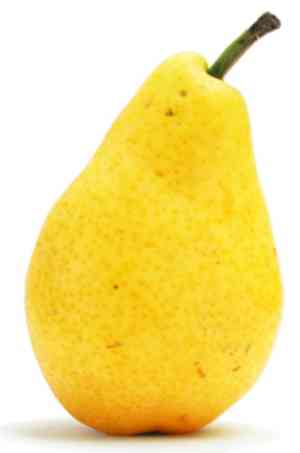
The ideal period for transplanting chinese pear spans from the onset of early spring's thaw until the brink of summer, leveraging the plant's inactive state and facilitating strong root development in temperate conditions. Select a location bathed in sunlight with soil that drains effectively. To achieve superior growth, guarantee that root disruption is kept to a minimum throughout the procedure.
What Preparations are Needed Before Transplanting Chinese Pear?
What is the Ideal Time for Transplanting Chinese Pear?
The optimal time for relocating chinese pear spans from early spring's arrival to the onset of summer. This timeframe aligns perfectly with chinese pear's natural growth cycle, allowing roots to establish in mild soil as nature revitalizes. Moving chinese pear during this phase grants it the entire upcoming growing season, encouraging strong development and adaptation. Undertaking this gardening task within such a favorable window boosts chinese pear's chances of flourishing, setting the stage for robust health and abundant yields.
How Much Space Should You Leave Between Chinese Pear Plants?
When selecting a spot for your chinese pear, ensure they have ample room to thrive. A spacing of 15-20 feet (4.5-6 meters) between plants will guarantee they have sufficient area to reach their full size without competing with nearby specimens.
What is the Best Soil Mix for Chinese Pear Transplanting?
For chinese pear, a well-draining, loamy soil rich in organic matter is crucial for optimal health. Prior to planting, incorporate a balanced, slow-release fertilizer to supply chinese pear with the necessary nutrients for vigorous growth. A pH range of 6.0 to 7.0 is ideal for this enduring plant.
Where Should You Relocate Your Chinese Pear?
Chinese pear thrives in sunlight, much like we enjoy a bright day outdoors! Therefore, position your chinese pear in a location that receives full sunâat least 6 hours of direct light daily. That part of your garden consistently bathed in sunshine? It's perfect for your new plant companion.
What Equipments Should You Prepare Before Transplantation Chinese Pear?
Shovel or Garden Spade
To excavate the chinese pear from its current spot and create a new planting site.
Gardening Gloves
To safeguard your hands while handling soil and the plant.
Wheelbarrow or Garden Cart
To move the chinese pear from one place to another, especially if it is large or heavy.
Pruning Shears
To trim any damaged roots or branches prior to transplanting.
Watering Can or Garden Hose
To hydrate the chinese pear before, during, and after the transplanting process.
Mulch
To help retain soil moisture and regulate soil temperature post-planting.
Stakes or Supports
To provide stability to the chinese pear if needed after transplanting.
Tarp or Burlap
To wrap and safeguard the root ball during transit.
How Do You Remove Chinese Pear from the Soil?
How Do You Remove Chinese Pear from the Soil?
From Ground: First, thoroughly water the chinese pear a day before the move to ensure moist soil and minimize plant stress. Using a shovel or spade, dig a wide circle around the plant to include the root ball without causing damage. Once sufficiently deep, slide the shovel beneath the root ball and gently lift the plant from the ground.From Pot: Water the potted chinese pear to make the soil moist and more pliable. Carefully tip the pot sideways and tap its sides to loosen the root ball. Support the plant with one hand and pull the pot away with the other. If the plant resists, slide a knife along the pot's inner edge to aid in loosening.From Seedling Tray: Water the soil to moisten it. Gently press the soil from the tray's underside to push the root ball out. If necessary, use a tool like a dibber or a pencil to carefully ease the seedling out without harming the roots.
Step-by-Step Guide for Transplanting Chinese Pear
Digging the New Hole
At the new site, excavate a hole that is twice the width of the chinese pear's root ball and of the same depth as its previous growing position, ensuring ample space for root expansion.
Preparing the Plant
Before transplanting, use pruning shears to remove any dead or damaged roots and branches; this will encourage vigorous growth and lessen the chance of disease after the move.
Plant Positioning
Center the chinese pear in the new hole. Carefully spread its roots and confirm the plant sits at the same soil level as it did previously, which will promote proper development.
Filling the Hole
Gently backfill the hole with the excavated soil. Lightly press down around the base of the chinese pear to eliminate any large air pockets without overly compacting the soil, as this could impede root penetration.
Staking
If the chinese pear is tall or unstable, insert stakes into the ground and loosely secure them to the plant with soft ties to provide support as it establishes.
Watering and Mulching
Immediately after planting, water the chinese pear to settle the soil around its roots. Then, apply a layer of mulch around the base to conserve moisture and regulate soil temperature.
How Do You Care For Chinese Pear After Transplanting?
Watering Strategy
Regularly water the chinese pear to keep the soil moist but not saturated, gradually reducing frequency as the plant settles. The aim is to foster deep root growth.
Checking for Stability
Periodically inspect the stakes and ties to ensure they offer adequate support without restricting growth â adjust as needed.
Pruning for Vigor
Lightly prune the chinese pear to shape it and remove any unhealthy or struggling growth, encouraging a more robust structure.
Observing Plant Health
Monitor for signs of stress, such as wilting, yellowing leaves, or stunted growth, and address them promptly with appropriate care or adjustments.
Troubleshooting Common Issues with Chinese Pear Transplantation.
Why is my chinese pear not thriving after transplanting?
Ensure it was transplanted during the ideal period, from early to late spring, and verify that the soil is well-drained with sufficient moisture, and that the root ball remained intact during relocation.
How far apart should I space chinese pear when transplanting?
Ideally, chinese pear needs ample room to flourish. Aim for a spacing of 15-20 feet (4.5-6 meters) between each plant to encourage healthy development.
What is the best way to water chinese pear after transplanting?
Water chinese pear deeply immediately after transplanting to settle the soil around the roots and maintain consistent moisture without overwatering during the initial weeks.
How do I prepare the soil before transplanting chinese pear?
Prepare the soil by incorporating organic matter to enrich it, ensuring good drainage, and adjusting the pH to suit the requirements of chinese pear.
Can I transplant chinese pear during the summer or fall?
It is advisable to transplant chinese pear during its optimal period in early to late spring for the best establishment, as moderate temperatures and spring rainfall aid root settlement.
Why is the foliage of my transplanted chinese pear wilting?
Wilting can be a symptom of transplant shock. Minimize stress by transplanting on an overcast day, keeping roots moist, and providing shade if necessary.
What size should the new hole be for transplanting chinese pear?
Dig a hole that is twice the width of the root ball and precisely the same depth to prevent burying the plant too deep or exposing roots.
Should I prune chinese pear when transplanting?
Light pruning can be beneficial to reduce water loss and balance the root system with the top growth, but avoid severe pruning.
How do I protect chinese pear from pests after transplanting?
Utilize physical barriers or organic pest control methods and keep the area around chinese pear free of debris to minimize pest attraction.
What type of stake support does chinese pear need after transplanting?
If chinese pear is tall or in a windy location, use a stake for support. Secure the tree with soft ties that will not harm the bark or branching structure.



