How to Prune Chinese pear?
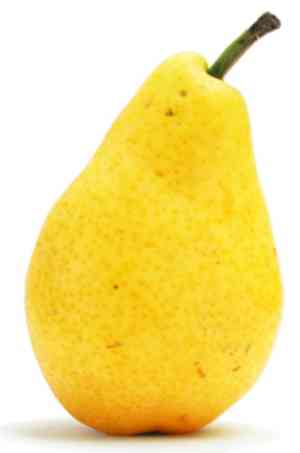
Recognized for its resilience and aromatic flowers, chinese pear thrives with trimming to foster vigor and fruit excellence. Essential methods involve reducing dense branches and eliminating lifeless or ailing wood. Perform pruning in late winter or early spring prior to bud emergence. Proper trimming guarantees sunlight access and air movement, diminishing disease susceptibility and improving fruit dimensions. Focus on eliminating upright shoots and suckers to preserve the tree's form and yield.
What Are the Benefits of Pruning Chinese Pear?
What Are the Benefits of Pruning Chinese Pear?
Trimming chinese pear promotes vitality and maintains its form, fostering a strong framework for support, optimal light penetration, and air movement within the canopy, which is crucial for healthy development and fruit yield.
What Is the Best Time for Pruning Chinese Pear?
What Is the Best Time for Pruning Chinese Pear?
Trimming chinese pear in late winter prior to the onset of spring growth is vital for encouraging healthy development and upkeep. This timing allows for the removal of any damaged or diseased branches before the plant expends energy on new growth. Furthermore, since chinese pear is dormant in winter, pruning will be less stressful for the plant and minimize sap loss. Early spring pruning is also appropriate, especially after the last significant frost, to shape the plant and thin out any congested branches, which enhances air circulation and sunlight access to the inner canopy. Performing this before chinese pear enters its rapid growth phase ensures quick wound healing, reducing potential infections and promoting a robust flowering and fruiting period.
What Tools Do I Need to Prune Chinese Pear?
Hand Pruners
Perfect for making precise cuts on chinese pear's smaller branches (up to 3/4 inch in diameter). Ergonomic designs offer comfort and good leverage for clean cuts.
Loppers
Suitable for reaching into the canopy of chinese pear and cutting branches approximately 1.5 to 2 inches thick. Their long handles provide the necessary leverage.
Pruning Saw
Essential for cleanly cutting thicker branches of chinese pear that exceed 2 inches in diameter. Their serrated blades facilitate sawing through hardwood.
Pole Pruner
Crucial for trimming higher branches of chinese pear, as it enables the gardener to reach and cut branches without needing a ladder for improved safety.
Hedge Shears
Useful for shaping the outer foliage of chinese pear if a manicured appearance is desired; however, these are less common for fruit trees and should be used cautiously.
Pruning Gloves
Protective gear to ensure the gardener's safety while trimming chinese pear to prevent scratches and cuts from thorns or rough bark.
How to Prune Chinese Pear
Cleantools
Before beginning, ensure all pruning tools are clean and sharp to prevent spreading diseases to chinese pear.
Inspect
Thoroughly examine chinese pear to identify all dead and diseased branches. This includes checking for any signs of decay, discoloration, or damage.
Removedeadbranches
Carefully remove all dead branches from chinese pear by cutting them at the point where they meet healthy tissue, ensuring cuts are clean and angled to promote water runoff.
Removediseasedbranches
Cut away any diseased branches on chinese pear, making sure to remove the entire affected area to prevent further spread of disease. Dispose of these branches properly to avoid contaminating other plants.
Sanitize
After trimming chinese pear, sanitize all tools used to prevent transferring potential pathogens to other plants in the future.
Common Pruning Mistakes with Chinese Pear
Overpruning
Cutting back too much of chinese pear's canopy in one session can stress the tree, potentially leading to reduced fruit production and vitality.
Improper Cuts
Making cuts flush against the trunk or leaving large stubs can be harmful. Flush cuts can damage the trunk, and stubs can lead to disease and decay.
Neglecting Dead Wood
Failing to remove dead or diseased branches can hinder chinese pear's health and productivity as these can be entry points for pests and pathogens.
Pruning Symmetry Over Health
Focusing too much on creating a symmetrical shape may result in unnecessary cutting, which can impact chinese pear's growth and fruiting.
Ignoring Branch Structure
Removing branches without considering chinese pear's natural structure could lead to an unstable tree and reduce its overall aesthetic appeal.
Tool Misuse
Using dull or dirty pruning tools can cause jagged cuts that are difficult for chinese pear to heal and increase the risk of disease transmission.
Common Pruning Tips for Chinese Pear
Sanitary Measures
Disinfect all pruning tools before use on chinese pear to prevent the spread of disease between plants.
Three Cut Method
When removing larger limbs, use the three-cut method to avoid bark tearing: an undercut first, a second cut that removes weight, and a final cut close to the branch collar.
Water Sprout And Sucker Removal
Regularly remove water sprouts and suckers from chinese pear, as they can divert energy from more productive fruiting branches.
Thinning Crowded Areas
Thin out crowded areas to improve air circulation and light penetration within chinese pear, which can lead to better fruit quality and reduced disease risk.
Selective Heading Back
When shortening branches, make cuts to a lateral branch or bud that points in the desired direction of growth to shape chinese pear and encourage fruitful branching.
Angle Of Cuts
Prune branches at a 45-degree angle just above an outward-facing bud to encourage proper healing and direct new growth away from the center of chinese pear.



