Chinese pear(Pyrus ussuriensis)

Chinese pear (Pyrus ussuriensis)

Also known as: Harbin pear, Ussurian pear

Pyrus ussuriensis, commonly known as the Ussurian pear, Harbin pear, or Manchurian pear, is a flowering plant species in the Rosaceae family. It is indigenous to Korea, Japan, and the Ussuri River region in eastern Russia. The tree typically reaches a height of about 15 meters (49 feet) and prefers well-drained loamy soils. It is renowned for being the hardiest of all pear species, though it can be vulnerable to late freezes in milder climates. The Ussurian pear blooms in spring with flowers that start as slightly pink buds and turn white as they open. Its dark brown buds are alternately arranged, and the leaves are dark green throughout spring and summer, transitioning to dark red and gold in autumn.

Wildlife such as birds, deer, mice, and rabbits are known to feed on the fruit and sometimes damage the trees. The fruits themselves, while not particularly palatable to humans initially, improve in taste after a freeze and have a better-tasting juice. Additionally, products derived from the fruit may be more effective than commercial insecticides in combating ticks and mites. Crossbreeding Pyrus ussuriensis with other pear varieties can yield tasty pears suitable for colder climates.

Some notable cultivars of Pyrus ussuriensis include:

1. **'Reli'**
2. **'Jinxiang'**
3. **'Hongbalixiang'**
4. **'Baibalixiang'**
5. **'Fuwuxiang'**
6. **'Qiuxiang'**
7. **'Fuanjianba'**
8. **'Longxiang'**
9. **'Guanhongxiao'**
10. **'Shanli24'**
11. **'Wuxiangli'**
12. **'Shatangli'**
13. **'Manyuanxiang'**
14. **'McDermand'**
15. **Prairie Gem® Flowering Pear (cultivar ‘MorDak’)**

Research has identified at least 108 compounds in the fruits that influence plant breeding, classifying Pyrus ussuriensis cultivars into four distinct groups.

Attributes of Chinese pear

Lifespan
Perennial
Plant Type
Tree
Plant Height
12 m
Spread
8 m
Leaf Color
Green
Flower Size
3 cm to 3.5 cm
Flower Color
White

ForwardPlant - Identify plants with a snap

Identify and diagnose plants, get toxicity alerts, and explore safety guides for all types of fungi.

Try for Free

Images of Chinese pear

Chinese pear(Pyrus ussuriensis)

Quickly Identify Chinese pear

1
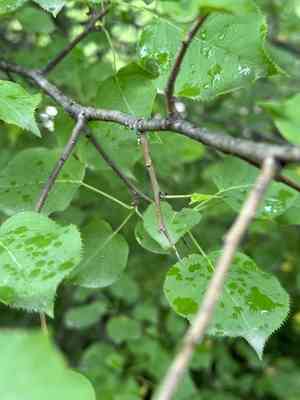
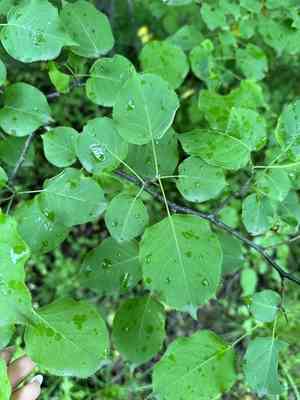
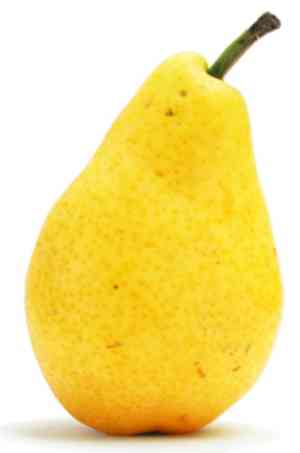
Identify Pyrus ussuriensis by its oval-shaped leaves with a finely serrated edge, white blossoms in spring, and small, yellow-green fruits that mature in late summer to early autumn.

Scientific Classification of Chinese pear

Phylum
Vascular plants
Class
Dicotyledons
Order
Roses, elms, figs, and allies
Family
Rose
Genus
Pears
Species
Chinese pear

Planting and Growing of Chinese pear

Care Difficulty
Easy
Watering Schedule
Every 2 days
Sunlight Requirements
Full sun
Sunshine Duration
6-10 hours
Ideal Temperature
60-75℉
Soil Type
Potting Mix, Peat Mix
Soil pH
5-7.5
Fertilizer Type
Balanced
Pruning Season
Spring, Summer
Pruning Area
Branches, Leaves
Pruning Frequency
2 times a year
Repotting Season
Spring
Pot Type
Plastic, Ceramic

water icon How to Water Chinese pear?

The Ussurian pear tree requires about 500 milliliters of water per session to ensure it receives adequate moisture. Water should be applied until it infiltrates the top several inches of soil, allowing the roots to access it efficiently without excess pooling water.
What are the symptoms of an underwatered Chinese pear?
What should I do if my Chinese pear is not getting enough water?
What are the symptoms of an overwatered Chinese pear?
How to save an overwatered Chinese pear?

sunlight icon What Are the Sunlight Requirements for Chinese pear?

Sunlight Requirements: Full sun, Partial sun
Duration of light: 6-10 hours
Partial to full sun provides essential energy. Ideal light boosts photosynthesis, encouraging vibrant growth, full fruit ripening, and resistance to diseases.
Solution
Specific Measures
Achieved Effects

temperature icon What Is the Ideal Temperature Range for Chinese pear?

Ideal Temperature: 60 ~ 75℉
Pyrus ussuriensis thrives in conditions where the temperature stays between 60°F to 75°F. These temperatures allow for the best photosynthetic activity and ensure healthy growth and fruit production. Maintaining this temperature range helps in preventing metabolic stress and ensures balanced water and nutrient absorption.

soil icon What Soil is Best for Chinese pear?

Soil type: Loam, Sandy loam
Soil PH: 5 ~ 7.5
Pyrus ussuriensis thrives in soil that drains well, preventing waterlogging and root rot. This characteristic is crucial to ensure healthy root development and reduce vulnerability to fungal diseases. This plant benefits from soil enriched with organic matter, providing essential nutrients needed for vigorous growth and fruit production. Amending the soil with compost or well-rotted manure can significantly improve its fertility. While it requires well-drained soil, retaining some moisture is beneficial. This balance helps sustain the plant during dry spells without risking water saturation and associated root issues.

fertilize icon How to Fertilize Chinese pear?

Fertilizer type: Balanced
Pyrus ussuriensis, also known as the Ussurian pear or Harbin pear, appreciates a well-measured fertilizer approach. For liquid fertilizers, mix 1 teaspoon of balanced liquid fertilizer with a gallon of water and apply evenly around the base of the plant, ensuring the soil is adequately moist to absorb the nutrients without overpowering the plant's natural growth cycle.

prune icon How to Prune Chinese pear?

Pruning Time: Spring, Summer
Begin by looking for any dead, damaged, or diseased branches. These should be pruned back to healthy wood to prevent the spread of disease and allow the plant to focus energy on healthy growth. Pyrus ussuriensis can develop a dense canopy. Carefully thin out some of the smaller, crowded branches to improve air circulation and light penetration throughout the tree. This reduces disease risk and enhances fruit quality. Prune to maintain an open, vase-like structure. This involves selecting 3-5 main branches to form the tree’s framework, allowing light to reach the center and promoting uniform growth. Keep the central leader if desired for a more vertical shape. More About Pruning Techniques

propagate icon How to Propagate Chinese pear plant?

Propagate Time: Early spring, Spring, Late spring
1
Begin by soaking the seeds of Pyrus ussuriensis in water for 24 hours to enhance germination. After soaking, stratify the seeds by placing them in a moistened medium and refrigerate for about 60-90 days before sowing.
2
Select healthy, semi-hardwood cuttings from the parent plant, ideally about 6-8 inches long. Remove the lower leaves and dip the cut end in rooting hormone to stimulate root development.
3
Choose a compatible rootstock for grafting. Create a clean cut on both the rootstock and scion, then bind them together securely. Wrap the graft with grafting tape to hold it in place until the graft union heals.
More About Propagating Techniques

repot icon How to Repot Chinese pear plant?

Repotting frequency: Every 2-3 years
1
The best time to repot Pyrus ussuriensis is in early spring or autumn when the tree is dormant, ensuring minimal stress. Look for signs like roots protruding from drainage holes or compacted soil as indicators that repotting is necessary.
2
Select a pot with drainage holes and one size larger than the current pot, allowing room for root growth. This prevents waterlogging and encourages healthy root development, crucial for the tree's vigorous health and establishment.
3
Opt for a well-draining loamy soil mix with organic matter. This ensures good aeration and nutrient availability, providing a robust medium for your Pyrus ussuriensis to thrive and promoting vibrant growth and fruiting potential.

ForwardPlant - Identify plants with a snap

Find the best spots for them to optimize their health, simply using your phone.

Try for Free